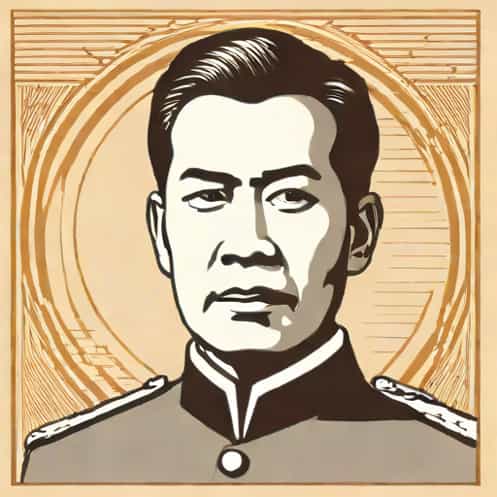
Emilio Aguinaldo is one of the most significant figures in Philippine history, known for leading the country’s struggle for independence from Spanish colonial rule. His full name, Emilio Aguinaldo y Famy, carries deep historical and cultural importance, reflecting both his family lineage and his Filipino heritage. Understanding his complete name and the background behind it gives insight into the traditions of naming in the Philippines and the legacy of the man who became the nation’s first president. This topic explores the meaning, context, and life of Emilio Aguinaldo in detail, including his contributions to Philippine independence and his lasting impact on the country’s identity.
The Full Name of Emilio Aguinaldo
The full name of the Philippine revolutionary leader isEmilio Aguinaldo y Famy. In traditional Spanish naming conventions, which were widely used in the Philippines during the colonial era, the y (meaning and) connects the father’s surname with the mother’s maiden name. Therefore, Aguinaldo was his father’s family name, and Famy was his mother’s. This naming style was common among Filipinos during the Spanish occupation, as Spanish influence shaped much of the country’s cultural and administrative systems.
Emilio Aguinaldo’s full name not only identifies his lineage but also connects him to a time when the Philippines was under Spanish rule, reflecting the blend of native and colonial heritage that defines much of Filipino identity. His name has since become synonymous with national pride, revolution, and the enduring quest for independence.
Early Life and Family Background
Emilio Aguinaldo y Famy was born on March 22, 1869, in Kawit, Cavite, a province located in the southern part of Luzon. His parents were Carlos Aguinaldo and Trinidad Famy, both belonging to well-known families in Cavite. The Aguinaldo family was relatively affluent and respected in their community, which allowed Emilio to receive a good education during his youth-a privilege not available to many Filipinos under Spanish rule.
Growing up in a period of social inequality and colonial control, young Aguinaldo was influenced by the growing movement toward reform and independence. His upbringing in a patriotic environment helped shape his beliefs about freedom and governance, eventually inspiring him to take a leading role in the revolutionary movement against Spain.
Education and Early Career
Before entering politics and military life, Emilio Aguinaldo studied at Colegio de San Juan de Letran in Manila. However, he did not complete his studies because of health issues and his increasing involvement in local leadership. He later returned to Cavite, where he became the cabeza de barangay (village head) of Binakayan at a young age. This position marked his first step into leadership and public service.
His leadership skills, combined with his ability to organize and inspire people, eventually caught the attention of revolutionary groups that sought independence from Spain. This was the beginning of his transformation from a local leader to a national figure.
Role in the Philippine Revolution
Emilio Aguinaldo y Famy’s name became famous during the Philippine Revolution, which began in 1896. He joined theKatipunan, a secret revolutionary society founded by Andrés Bonifacio. The Katipunan aimed to overthrow Spanish rule through armed resistance and to establish an independent Philippine nation. Aguinaldo quickly rose through the ranks due to his strategic abilities and leadership qualities.
In Cavite, Aguinaldo led successful military campaigns against Spanish forces, earning him the respect of both his fellow revolutionaries and local citizens. His victories in battles such as those in Imus and Binakayan solidified his reputation as one of the revolution’s most capable commanders. Eventually, internal disagreements within the Katipunan led to a power struggle between Bonifacio and Aguinaldo, with Aguinaldo emerging as the recognized leader of the revolution.
The Declaration of Independence
One of Emilio Aguinaldo’s greatest achievements was the declaration of Philippine independence on June 12, 1898. The historic event took place at his residence in Kawit, Cavite, where the Philippine flag was first raised and the national anthem was played. Aguinaldo, then only 29 years old, became the first President of the Philippines-the youngest in the country’s history.
This declaration marked a defining moment in the struggle for self-governance, symbolizing the Filipino people’s determination to end centuries of colonial rule. The act also cemented Aguinaldo’s status as a national hero and a central figure in Philippine history.
The Philippine-American War and Later Life
After Spain ceded the Philippines to the United States following the Treaty of Paris in 1898, Aguinaldo’s government faced a new challenge. The United States refused to recognize Philippine independence, leading to the outbreak of the Philippine-American War in 1899. Aguinaldo once again led the Filipino forces, this time against American troops.
Despite their bravery and determination, the Filipinos were outmatched by the better-equipped American army. In 1901, Aguinaldo was captured in Palanan, Isabela, which marked the effective end of the armed resistance. He later swore allegiance to the United States and retired from active politics for several years.
In his later life, Emilio Aguinaldo remained active in advocating for Philippine independence through peaceful means. He supported national unity and participated in various civic and veteran organizations. When the Philippines finally gained full independence on July 4, 1946, Aguinaldo, already in his late seventies, witnessed the realization of the dream he had fought for in his youth.
Legacy of Emilio Aguinaldo y Famy
The legacy of Emilio Aguinaldo y Famy is deeply rooted in the Philippines’ journey toward freedom. As the first president of the Philippine Republic, he laid the foundation for the nation’s democratic government. His leadership during the revolution and his dedication to national sovereignty made him a symbol of patriotism and resilience.
In recognition of his contributions, numerous places and institutions in the Philippines bear his name. The municipality of Aguinaldo in Cavite, the Aguinaldo Shrine in Kawit, and schools such as Emilio Aguinaldo College all serve as reminders of his lasting influence.
Controversies and Historical Interpretations
While Aguinaldo is celebrated as a hero, his role in the revolution has also been the subject of debate. Some historians criticize his involvement in the execution of Andrés Bonifacio, while others question his leadership decisions during the American occupation. Nevertheless, these controversies do not overshadow his monumental role in leading the first successful revolution against colonial rule in Asia.
Understanding the Meaning Behind His Full Name
Emilio Aguinaldo y Famy’s full name encapsulates more than personal identity-it reflects the historical period, cultural background, and political struggles of his time. The y that connects his father’s and mother’s surnames illustrates how deeply Spanish culture had shaped Filipino naming traditions, while the Filipino spirit of independence transformed that identity into one of resistance and pride.
His name is now synonymous with bravery, nationalism, and leadership. When Filipinos hear Emilio Aguinaldo y Famy, they are reminded not just of a historical figure but of the collective fight for liberty that continues to define the nation’s values today.
The full name of Emilio Aguinaldo-Emilio Aguinaldo y Famy-represents a legacy that extends beyond one man’s life. It stands for the courage, intelligence, and perseverance of a nation that rose against oppression to claim its freedom. Aguinaldo’s journey from a young leader in Cavite to the first president of an independent Philippines remains a powerful story of hope and determination. His name, echoing through the country’s history, continues to inspire generations to honor the sacrifices that built the foundations of a free and independent nation.