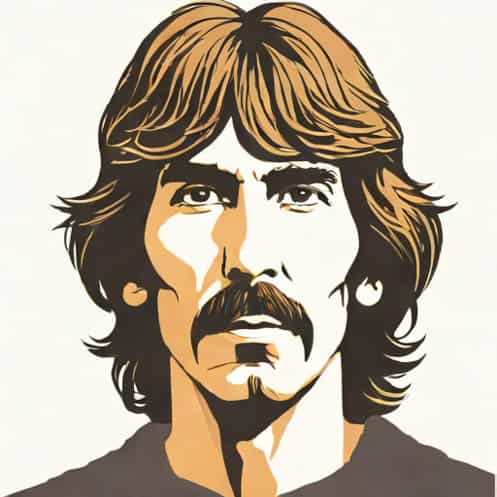
When George Harrison released My Sweet Lord in 1970, the world was still reeling from the breakup of The Beatles. Fans were eager to see what each member would do next, and Harrison’s debut solo single turned out to be one of the most spiritually uplifting and musically inspiring songs of its time. With its blend of rock, gospel, and Indian spiritual influence, My Sweet Lord became more than just a chart-topping hit – it became an anthem of inner peace and divine connection that continues to inspire generations of listeners. This topic explores the creation, meaning, and legacy of George Harrison’s My Sweet Lord.
The Birth of My Sweet Lord
George Harrison wrote My Sweet Lord during the late 1960s, a time of great personal transformation. Having embraced Indian spirituality and Eastern philosophy, Harrison sought to express his devotion through music. The song was first recorded by Billy Preston, a close friend and collaborator, before Harrison decided to record his own version for his album All Things Must Pass. When the song was released in 1970, it quickly became a global phenomenon.
Unlike typical pop songs of its era, My Sweet Lord was deeply rooted in spirituality rather than romance. It blended traditional Western gospel music with the Hare Krishna mantra, symbolizing Harrison’s journey toward universal love and unity. The repetition of Hallelujah and Hare Krishna reflected his belief that all forms of worship lead to the same divine source.
Musical Composition and Structure
One of the most distinctive features of My Sweet Lord is its layered production and hypnotic arrangement. The song opens with a shimmering acoustic guitar riff, followed by Harrison’s soulful vocals that invite listeners into a meditative state. The gradual build-up of instruments – including electric guitar, tambourine, and backing harmonies – gives the song a sense of spiritual ascent.
The production, led by Phil Spector, used the Wall of Sound technique, creating a rich, immersive experience. The harmonies by singers like Billy Preston and Eric Clapton added warmth and depth, while Harrison’s slide guitar infused the song with his signature style. The simplicity of the chord progression, repeating throughout, allows the message of devotion to take center stage.
The Blend of Cultures and Faiths
George Harrison’s My Sweet Lord was groundbreaking because it brought Eastern spirituality into mainstream Western music. The song’s chorus shifts seamlessly between Hallelujah, a Christian expression of praise, and Hare Krishna, a Hindu mantra. This blending of faiths was not a statement of conversion but rather a message of unity – a reminder that love and devotion transcend religion.
Harrison once said that he wanted to show people that saying Hallelujah or Hare Krishna was equally valid, as both were ways of reaching out to God. In this way, My Sweet Lord served as both a musical and philosophical bridge between cultures, promoting a message of universal spirituality.
Controversy and Legal Issues
Despite its success, My Sweet Lord was not without controversy. In 1971, Harrison was sued for alleged plagiarism of The Chiffons’ 1963 hit He’s So Fine. The court determined that although the similarities were subconscious, they were undeniable. Harrison was found guilty of subconscious plagiarism, a decision that weighed heavily on him.
Harrison later expressed his frustration about the lawsuit, feeling that it tainted the song’s pure spiritual message. However, he took the experience in stride, even writing the humorous song This Song about the ordeal. Over time, fans and critics alike have come to see the lawsuit as a footnote rather than a defining aspect of the song’s legacy.
The Message and Meaning Behind the Lyrics
At its core, My Sweet Lord is about the longing for spiritual connection. Harrison’s lyrics express a deep desire to know and feel the presence of the divine. The repetition of lines like I really want to see you and I really want to know you captures the universal human yearning for closeness to something greater than oneself.
Through the song, Harrison shares his realization that true peace comes from within – from recognizing the divine in all things. His gentle delivery and sincere tone make the message personal and relatable. Even for listeners who do not share his faith, the song’s emotional power resonates deeply.
The Universal Appeal of My Sweet Lord
Part of what makes My Sweet Lord timeless is its ability to speak to people of all backgrounds. Whether one interprets it as a hymn to God, the universe, or love itself, the song offers comfort and inspiration. Its melody is simple enough to sing along to, yet its meaning is profound enough to provoke reflection.
For many, My Sweet Lord became a soundtrack for personal growth, meditation, and healing. It was also one of the first major pop songs to openly discuss faith in a way that felt authentic and inclusive, rather than preachy or dogmatic.
The Song’s Cultural and Musical Impact
When My Sweet Lord topped charts in both the United States and the United Kingdom, it marked a turning point in George Harrison’s solo career. It was the first number-one single by a former Beatle, proving that Harrison was not just a background figure in the band but a major creative force in his own right.
Over the decades, countless artists have covered My Sweet Lord, including Boy George, Billy Preston, and Elliott Smith. Each version pays homage to Harrison’s genius while reinterpreting the song through different musical lenses. In 2021, a 50th-anniversary remaster was released, reminding listeners of the song’s enduring relevance.
Influence on Spiritual Music
Beyond its chart success, My Sweet Lord had a lasting influence on the integration of spirituality into popular music. It paved the way for artists to explore themes of faith, love, and consciousness without fear of alienating their audience. The song’s mix of Western pop structure and Eastern devotion opened a new chapter in world music fusion.
- It inspired musicians to incorporate mantras and meditative sounds into their work.
- It demonstrated that spirituality and rock music could coexist harmoniously.
- It encouraged listeners to explore spiritual traditions beyond their own.
Legacy of George Harrison and My Sweet Lord
George Harrison’s legacy as a spiritual seeker and compassionate artist is deeply tied to My Sweet Lord. The song embodies his lifelong quest for meaning and his belief in the power of music as a force for good. Even after his passing in 2001, the song remains a beacon of peace and faith for millions around the world.
Harrison’s combination of humility, devotion, and artistic talent continues to inspire musicians and fans alike. My Sweet Lord reminds us that beyond fame and fortune, the greatest pursuit is understanding and love. It’s not just a song – it’s a prayer set to music, one that transcends time and culture.
My Sweet Lord stands as one of the most iconic songs in the history of modern music. Its fusion of spirituality, melody, and sincerity made it a timeless masterpiece. George Harrison managed to capture something universal – the human desire to connect with the divine – in a way that continues to resonate across generations. Whether heard in quiet reflection or joyous celebration, My Sweet Lord invites everyone to look beyond the material world and embrace the light of spiritual awakening.