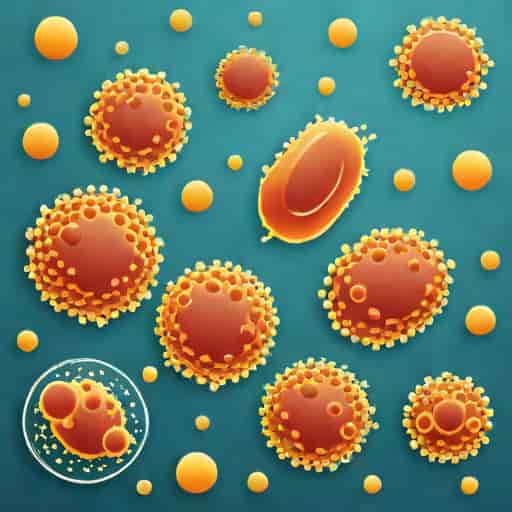
The human immune system is a complex network of cells, tissues, and organs that work together to protect the body from harmful pathogens, including bacteria, viruses, and other microorganisms. Among the critical components of this system are certain white blood cells known as granulocytes and monocytes, which play a key role in defending the body by engulfing and destroying bacteria. This process, known as phagocytosis, is vital for maintaining health and preventing infections. Understanding the functions, characteristics, and mechanisms of granulocytes and monocytes that engulf bacteria provides insight into how the immune system operates and how the body responds to microbial threats.
Overview of Granulocytes and Monocytes
Granulocytes and monocytes are two types of leukocytes, or white blood cells, that form part of the innate immune system. These cells are essential first responders to infections and contribute to both immediate and long-term immune defense. They are produced in the bone marrow and circulate in the blood, ready to migrate to sites of infection or inflammation.
Granulocytes
Granulocytes are characterized by the presence of granules in their cytoplasm, which contain enzymes and toxic substances that help kill pathogens. They are subdivided into three main types
- NeutrophilsThe most abundant granulocytes in the bloodstream. They are the primary cells responsible for engulfing bacteria and are often the first to arrive at infection sites.
- EosinophilsThese cells are particularly effective against parasitic infections and play a role in allergic responses.
- BasophilsInvolved in inflammatory reactions and the release of histamine, but they are less directly involved in phagocytosis compared to neutrophils.
Monocytes
Monocytes are larger white blood cells that also have the ability to engulf bacteria. They circulate in the bloodstream and migrate into tissues where they differentiate into macrophages or dendritic cells. Macrophages are highly effective at phagocytosis and play a key role in both destroying pathogens and presenting antigens to activate other immune cells.
Phagocytosis How Granulocytes and Monocytes Engulf Bacteria
Phagocytosis is the process by which granulocytes and monocytes engulf and digest bacteria and other foreign ptopics. This process involves several steps, each essential for effectively eliminating pathogens.
Recognition of Pathogens
The first step in phagocytosis is the recognition of bacteria. Granulocytes and monocytes have specialized receptors on their surfaces that detect specific molecules on the surface of bacteria, such as lipopolysaccharides or peptidoglycans. This recognition is crucial for distinguishing harmful microbes from the body’s own cells.
Engulfment
Once the bacteria are recognized, the white blood cells extend their membrane around the pathogen, forming a phagosome. This process allows the cell to internalize the bacteria within a membrane-bound compartment, effectively isolating it from the rest of the cell.
Digestion and Killing
After engulfment, the phagosome fuses with lysosomes containing digestive enzymes and reactive oxygen species. These substances break down and kill the bacteria. In neutrophils, this process is rapid and often results in the death of the cell along with the bacteria. Monocytes and macrophages are more long-lived and can continue to engulf additional pathogens over time.
Key Characteristics of Granulocytes in Bacterial Defense
Granulocytes, particularly neutrophils, have unique features that make them highly effective against bacteria
- High mobility and the ability to migrate quickly to infection sites (chemotaxis).
- Rapid response to bacterial invasion, often arriving before other immune cells.
- Ability to release toxic granules that directly kill bacteria.
- Short lifespan, usually measured in hours to days, which supports quick and intense responses.
Neutrophils as Frontline Defenders
Neutrophils are considered the frontline defenders against bacterial infections. They form pus at infection sites, which is composed of dead neutrophils, bacteria, and tissue debris. Their fast response is crucial for controlling bacterial growth and preventing the spread of infection throughout the body.
Key Characteristics of Monocytes in Bacterial Defense
Monocytes complement the activity of granulocytes and have distinct characteristics
- Larger size and greater longevity, allowing sustained immune responses.
- Ability to differentiate into macrophages or dendritic cells in tissues.
- Role in antigen presentation, which activates the adaptive immune system.
- Capacity to engulf larger numbers of bacteria or even dead neutrophils at infection sites.
Macrophages and Long-Term Immunity
When monocytes enter tissues and become macrophages, they not only engulf bacteria but also secrete cytokines that recruit other immune cells and stimulate inflammation. Macrophages can remain in tissues for months or years, providing a continuous defensive presence and contributing to immune memory by presenting bacterial antigens to T cells.
Coordination Between Granulocytes and Monocytes
Granulocytes and monocytes work together to ensure effective bacterial clearance. Neutrophils respond rapidly to initial infections, engulfing bacteria and releasing signaling molecules. Monocytes and macrophages arrive later, cleaning up remaining pathogens and debris and activating adaptive immunity. This coordination is essential for both immediate defense and long-term protection against recurring infections.
Role in Inflammatory Response
Both granulocytes and monocytes play central roles in the inflammatory response. Their activity leads to redness, swelling, and warmth at infection sites, which are signs of the immune system’s efforts to contain and eliminate bacteria. Cytokines released by these cells attract additional immune cells and help orchestrate a coordinated defense.
Clinical Significance
Understanding how granulocytes and monocytes engulf bacteria is important for medical practice. Deficiencies or dysfunctions in these cells can lead to increased susceptibility to bacterial infections. Conditions such as neutropenia (low neutrophil count) or monocyte dysfunction can result in severe infections, highlighting the critical role these cells play in maintaining health. Therapies that enhance the function of granulocytes and monocytes, such as growth factors or immune modulators, are used in clinical settings to support patients with compromised immunity.
Diagnostic Use
Laboratory tests often evaluate the number and function of granulocytes and monocytes to diagnose infections and immune disorders. A high neutrophil count typically indicates bacterial infection, while monocyte levels may rise in chronic infections or inflammatory conditions. Observing the activity of these cells provides valuable information about the body’s immune status.
Granulocytes and monocytes are essential components of the innate immune system that protect the body by engulfing and destroying bacteria. Neutrophils act as rapid responders, providing immediate defense, while monocytes and macrophages sustain long-term protection and coordinate adaptive immunity. Their abilities to recognize, engulf, and digest bacteria make them vital for controlling infections and maintaining overall health. Understanding their characteristics, mechanisms of action, and clinical significance provides insight into the fundamental processes of immune defense and highlights the importance of these cells in human biology and medicine.