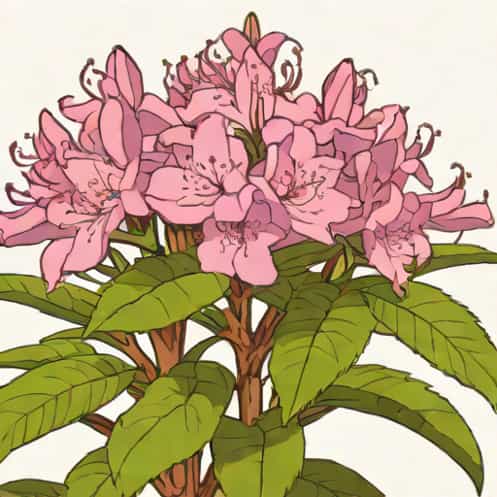
Growing rhododendron from cuttings is a rewarding way to multiply favorite shrubs and preserve special varieties. With a little patience and the right conditions, you can turn a small stem into a healthy, flowering plant that will add color and structure to your garden for years. This method is economical, often faster than growing from seed, and helps maintain the exact traits of the parent plant. Whether you are a beginner or an experienced gardener, learning how to take and root rhododendron cuttings can expand your collection and deepen your connection to these beautiful, evergreen shrubs.
Why Propagate Rhododendrons from Cuttings?
Propagation from cuttings is popular because it produces clones of the parent plant, preserving flower color, leaf shape, and growth habit. Growing rhododendron from cutting bypasses the genetic variability of seeds, which means predictable results. It is also useful when a plant is too large to dig up for division, or when you want to increase the number of a particularly successful specimen. Finally, taking cuttings can be done at home with minimal tools and gives you a hands-on way to learn plant biology and propagation techniques.
Best Time and Type of Cutting
Timing matters. The most successful rhododendron cuttings are typically taken in late spring to early summer when new growth has partially matured. These are called softwood or semi-ripe cuttings. Softwood cuttings are taken from the new, tender shoots, while semi-ripe cuttings come from growth that has begun to firm up but is not fully woody. Both types root well if treated properly, but semi-ripe cuttings often have higher success because they balance flexibility with enough stored energy for root formation.
Choosing the Right Stem
-
Select healthy, disease-free branches that are vigorous but not overly woody.
-
Look for stems about 5 8 cm (2 3 inches) long with several leaf nodes and a few pairs of leaves.
-
Avoid flower buds; remove them if present so the cutting focuses energy on root development.
Preparing Cuttings and Growing Medium
Proper preparation helps cuttings conserve moisture and encourages rooting. After cutting, remove the lower set of leaves and trim the remaining leaves by about half to reduce water loss. Make a clean cut just below a leaf node where roots are most likely to form. A rooting hormone powder or gel can significantly increase success rates; dip the lower end of the cutting into the hormone before planting.
Choosing a Rooting Medium
A well-draining, sterile medium is essential. A mix of peat moss and perlite, or a commercial propagation mix, works well for rhododendron cuttings. The medium should retain moisture but not stay waterlogged. Fill small pots or a seed tray, firm the mix, and water it thoroughly before inserting cuttings. Make holes with a pencil or dibber to avoid scraping off the rooting hormone when you plant the cutting.
Planting, Humidity, and Light
Insert the cuttings so at least one node is below the surface and the cutting stands upright. Space them so leaves don’t touch each other. High humidity is critical to prevent wilting while roots form. You can provide humidity by covering the tray with a clear plastic dome, using a plastic bag tent, or placing the pots inside a propagator. Mist occasionally to keep leaves fresh, but avoid heavy drips that encourage fungal growth.
Light and Temperature
Bright, indirect light is ideal too much direct sun will scorch leaves, too little light will slow rooting. Aim for temperatures between 18 22°C (65 72°F). Bottom heat from a propagation mat can speed rooting, especially in cooler conditions, but be careful not to overheat, which can dry out the medium and stress the cuttings.
Watering and Care During Rooting
Keep the medium evenly moist but not soggy. Water from below if possible placing pots in a shallow tray of water allows the medium to wick moisture up to the cuttings without wetting the leaves. Aeration around the stems helps prevent rot. Check for root development after 6 10 weeks by gently tugging on a cutting; resistance indicates roots have formed. Some varieties may take longer, so patience is important.
Preventing Disease
-
Use clean tools and sterile media to reduce risk of fungal infection.
-
Avoid overcrowding and ensure good air circulation once roots appear.
-
If you notice mold or rot, remove affected cuttings and adjust humidity and airflow.
Potting On and Hardening Off
Once roots are well established, usually 8 12 weeks, transplant cuttings into individual pots with a richer potting mix suited for acid-loving plants. A blend of ericaceous compost and good-quality potting soil works well. Keep the young plants shaded for a few weeks to reduce transplant shock. Gradually reduce humidity and increase exposure to normal airflow and light over two to four weeks this process is called hardening off and prepares plants for outdoor conditions.
Long-Term Care
After hardening off, plant rhododendrons in a partly shaded spot with acidic, well-drained soil rich in organic matter. Mulch to retain moisture and protect roots, but keep mulch away from the stem base. Water regularly during the first season and avoid letting soil dry out completely. Feed with a fertilizer formulated for acid-loving plants in early spring to support healthy growth and flowering.
Troubleshooting and Tips for Success
If cuttings fail to root, review your conditions was the humidity too low, the medium too wet, or the light inadequate? Try different varieties, as some rhododendrons root more readily than others. Taking several cuttings increases the chance of success. Keep records of what worked timing, hormone, medium and repeat the best method next season. With practice, you’ll learn subtleties that improve success rates.
Growing rhododendron from cutting is an achievable, satisfying project that enriches your garden and skills. By selecting healthy stems, using a suitable rooting medium, providing consistent humidity and gentle light, and giving proper aftercare, you can produce strong plants that retain the parent’s desirable traits. Whether propagating rare cultivars or multiplying a favorite shrub, patience and proper technique will reward you with beautiful, long-lived rhododendrons. Try a few cuttings this season and enjoy watching new life take root in your garden.