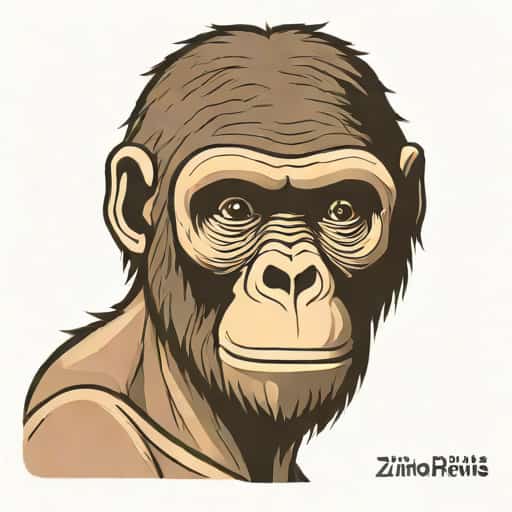
The study of human evolution has fascinated scientists and historians for centuries, revealing the complex journey of our ancestors and how they adapted to changing environments. Three significant species in this evolutionary timeline are Homo habilis, Australopithecus, and Zinjanthropus. Each of these hominins provides critical insight into the development of human traits such as tool use, bipedalism, and brain capacity. By examining their physical characteristics, behaviors, and archaeological evidence, researchers have been able to piece together a narrative that shows the gradual emergence of modern humans and the diversity of early hominin species.
Homo Habilis The Handy Man
Homo habilis, often referred to as handy man, is considered one of the earliest members of the genus Homo. This species lived approximately 2.4 to 1.4 million years ago and is primarily known for its association with the earliest stone tools. Fossil evidence indicates that Homo habilis had a larger brain size than its Australopithecus predecessors, ranging from 510 to 600 cubic centimeters, which likely contributed to its advanced problem-solving abilities and capacity for tool-making.
Physical Characteristics of Homo Habilis
- Smaller face and teeth compared to Australopithecus, suggesting a shift in diet and food processing.
- Relatively long arms and short legs, indicating a combination of climbing ability and bipedal locomotion.
- Increased cranial capacity, reflecting early cognitive development compared to earlier hominins.
The combination of these features demonstrates that Homo habilis was a transitional species, bridging the gap between more primitive hominins and later Homo species like Homo erectus.
Behavior and Tool Use
Homo habilis is famously associated with the Oldowan tool industry, characterized by simple, flaked stone tools used for cutting, scraping, and pounding. This tool use indicates not only manual dexterity but also the ability to plan and understand cause-effect relationships. Evidence suggests that Homo habilis may have also engaged in scavenging and possibly hunting, marking a significant shift in subsistence strategies compared to their Australopithecus ancestors.
Australopithecus The Early Bipedal Ancestor
Australopithecus represents a genus of hominins that lived between 4 and 2 million years ago, with species such as Australopithecus afarensis and Australopithecus africanus gaining prominence in paleoanthropological studies. Australopithecus is often regarded as a key ancestor of the genus Homo, exhibiting a combination of ape-like and human-like traits that provide insight into the early stages of bipedalism and adaptation to diverse environments.
Physical Traits of Australopithecus
- Moderate brain size, typically between 400 and 550 cubic centimeters, larger than chimpanzees but smaller than Homo habilis.
- Strong jaws and large molars, suggesting a diet that included tough plant material.
- Pelvis and leg bones adapted for upright walking, indicating habitual bipedal locomotion.
The morphology of Australopithecus demonstrates an evolutionary trend toward bipedalism, while still retaining features suited for climbing, reflecting their ability to exploit both ground and tree-based resources.
Significance in Human Evolution
Australopithecus is critical in understanding human evolution because it represents the stage where bipedalism became more established, setting the foundation for later species like Homo habilis. Fossils such as Lucy, an Australopithecus afarensis specimen, provide remarkable insight into locomotion, physical structure, and life history, bridging the evolutionary gap between early primates and later Homo species.
Zinjanthropus The Robust Hominin
Zinjanthropus, also known as Paranthropus boisei, lived approximately 2.3 to 1.2 million years ago in East Africa. Discovered by Mary Leakey in Olduvai Gorge, Tanzania, Zinjanthropus is distinguished by its robust cranial and dental features, indicating adaptation to a specialized diet. This species highlights the diversity of hominins that coexisted alongside early Homo species, showing that human evolution was not a linear process but a complex branching tree.
Physical Characteristics of Zinjanthropus
- Massive jaw and large molars, adapted for grinding hard and fibrous plant materials.
- Sagittal crest on the skull, providing attachment for powerful chewing muscles.
- Smaller brain size compared to Homo habilis, averaging around 500 cubic centimeters.
These traits suggest that Zinjanthropus was specialized for a diet that relied heavily on vegetation, highlighting an evolutionary strategy different from the tool-using Homo habilis.
Behavioral Insights
While Zinjanthropus may not have used tools as extensively as Homo habilis, its robust anatomy indicates a high degree of adaptation to its ecological niche. The species’ survival strategies focused on dietary specialization rather than technological innovation. Studying Zinjanthropus alongside Homo habilis provides a clearer picture of how different hominins occupied various ecological roles during the same period.
Comparative Analysis
When comparing Homo habilis, Australopithecus, and Zinjanthropus, several key differences and similarities emerge
Brain Size and Cognitive Ability
- Homo habilis Largest brain among the three, associated with tool use and problem-solving.
- Australopithecus Moderate brain size, indicating early cognitive development.
- Zinjanthropus Smaller brain, emphasizing specialized dietary adaptations rather than complex behaviors.
Dietary Adaptations
- Homo habilis Omnivorous diet with evidence of scavenging and meat consumption.
- Australopithecus Mainly plant-based diet, though some opportunistic meat consumption likely.
- Zinjanthropus Highly specialized herbivorous diet with adaptations for hard and fibrous foods.
Locomotion and Physical Traits
- Homo habilis Bipedal with climbing ability, long arms, and short legs.
- Australopithecus Fully bipedal but retained adaptations for tree climbing.
- Zinjanthropus Bipedal with robust body features, emphasizing strength for chewing and survival.
Significance in Paleoanthropology
Studying these three hominins provides insight into the diverse evolutionary paths that early humans took. Homo habilis shows the beginnings of technological innovation, Australopithecus represents the establishment of bipedalism, and Zinjanthropus highlights ecological specialization. Together, they illustrate the branching complexity of human evolution and the adaptive strategies that allowed early hominins to survive in varied environments.
Evolutionary Lessons
These species teach us several important lessons about evolution
- Human evolution is not linear but consists of multiple coexisting species with unique adaptations.
- Physical and cognitive traits evolved in response to environmental pressures and survival needs.
- The development of tool use, dietary specialization, and bipedalism were crucial milestones leading to modern humans.
Homo habilis, Australopithecus, and Zinjanthropus each represent crucial stages in the story of human evolution. From the tool-using and cognitively advanced Homo habilis, to the bipedal and adaptable Australopithecus, to the robust and specialized Zinjanthropus, these species illustrate the diversity and complexity of our ancestral tree. By examining their physical characteristics, behaviors, and ecological strategies, scientists can better understand the evolutionary processes that shaped modern humans. The study of these early hominins not only provides knowledge about our past but also inspires curiosity and appreciation for the intricate journey that has led to the emergence of Homo sapiens.