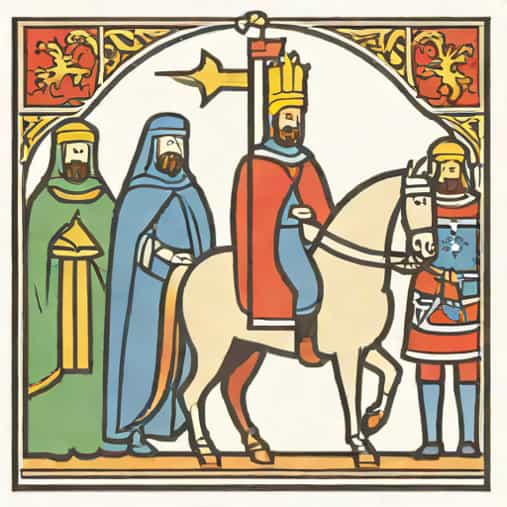
The connection between primogeniture and the Crusades is a fascinating topic in medieval history, as it highlights how inheritance laws and societal structures influenced large-scale political and religious movements. Primogeniture, the practice of passing all property and titles to the eldest son, created a system in which younger sons were often left without land, wealth, or social power. This practice had profound consequences in feudal Europe, prompting many younger sons to seek fortune, status, and adventure elsewhere. The Crusades, a series of religious military campaigns aimed at reclaiming the Holy Land from Muslim control, became an outlet for these disenfranchised nobles. Understanding this connection helps explain some of the social and economic motivations behind the Crusades beyond purely religious factors.
What is Primogeniture?
Primogeniture is a legal and social practice in which the firstborn son inherits the entire estate of his parents, including land, titles, and wealth. This system was common in medieval Europe and was designed to prevent the fragmentation of estates, ensuring that wealth and power remained concentrated within noble families. While primogeniture stabilized property holdings, it created challenges for younger sons, who were left without significant inheritance or influence. These younger sons had to find alternative means to secure their future, which often included joining the clergy, becoming mercenaries, or participating in military campaigns like the Crusades.
Impact of Primogeniture on Younger Sons
In a society dominated by feudal structures and land-based wealth, having no inheritance was a major disadvantage. Younger sons, known as cadet members of noble families, could not rely on family estates for sustenance or status. Many sought opportunities to achieve personal wealth, recognition, and influence outside their immediate family holdings. This situation created a pool of ambitious, trained warriors who were willing to undertake risky ventures for the promise of reward. The Crusades, framed as a religious duty with potential material and social benefits, appealed strongly to these younger sons who were denied their share of family wealth.
The Role of Religion and Social Opportunity
While primogeniture created economic and social pressures, the Crusades were also deeply connected to religious motivations. The Church promised spiritual rewards, such as indulgences and forgiveness of sins, for those who participated in the Crusades. For younger sons, this religious incentive combined with the desire for wealth and status created a compelling reason to join the campaigns. The Crusades offered the possibility of acquiring land, titles, and even new kingdoms in the Levant, providing both spiritual and material rewards that could not be obtained at home due to primogeniture.
Military Training and Experience
Primogeniture also influenced the preparation and skills of younger sons. Many grew up in noble households where they were trained in warfare, horsemanship, and leadership. With limited inheritance options, these trained individuals were often highly motivated to prove themselves in battle and gain recognition. The Crusades provided an arena where these skills could be utilized effectively, allowing younger sons to achieve fame, secure land, and establish their own status independent of their elder brothers. This combination of military readiness and lack of domestic opportunity created a strong incentive for participation.
Economic Motivations Linked to Primogeniture
The economic pressures created by primogeniture cannot be underestimated. Younger sons often faced limited prospects at home, as they could not inherit family estates and were sometimes dependent on limited allowances from elder siblings. The Crusades, with promises of plunder, ransom, and new land holdings, presented an attractive alternative. The potential economic rewards of the Crusades made them appealing to those seeking to improve their social and financial standing. Additionally, merchants and lords often supported these campaigns because they opened trade routes and expanded European influence abroad.
Feudal Society and the Incentive to Join Crusades
Feudal society was hierarchical, with land ownership determining power and influence. Primogeniture ensured that the eldest son retained this power, leaving younger sons to navigate a competitive social environment. Joining the Crusades allowed these younger sons to gain their own territories, titles, or income, creating a personal path to status. The feudal structure combined with the lack of inheritance for younger sons meant that military campaigns offered not only adventure but a legitimate route to social mobility.
The Broader Context of European Expansion
The Crusades were not solely motivated by primogeniture, but this inheritance practice contributed significantly to the pool of potential crusaders. Younger sons who lacked inheritance at home became key participants in European expansion into the Holy Land. Their participation was also influenced by alliances between nobles, promises of land from kings or the Church, and the broader cultural emphasis on chivalry and honor. Primogeniture created a class of ambitious, skilled warriors who were ready to take up arms when the Church called for holy wars, reinforcing the military and social dimensions of the Crusades.
Examples of Younger Sons in the Crusades
Historical records show that many prominent figures in the Crusades were younger sons of noble families. These individuals sought glory, land, and wealth that they could not inherit at home. By joining the Crusades, they could carve out their own legacies and sometimes establish new dynasties abroad. The combination of limited domestic opportunities, religious motivation, and the chance for economic gain created a strong incentive for these younger sons to participate in the Crusades, illustrating the direct link between primogeniture and European military campaigns in the Middle Ages.
primogeniture played a significant role in shaping the social and economic conditions that led many younger sons to participate in the Crusades. By concentrating wealth and land in the hands of the eldest son, primogeniture left younger sons without inheritance, prompting them to seek opportunities abroad. The Crusades offered a unique combination of religious, social, and economic incentives, making them a viable path for these disenfranchised nobles. Understanding the connection between primogeniture and the Crusades provides insight into the complex interplay of social structures, economic pressures, and religious motivations in medieval Europe. This perspective helps explain why the Crusades attracted large numbers of young, ambitious, and trained warriors, ultimately influencing the course of European and Middle Eastern history.