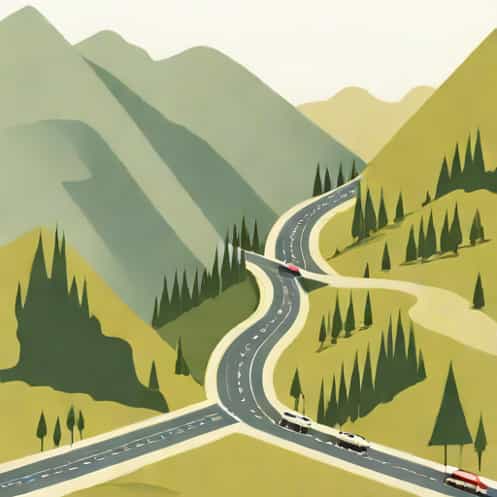
The Coquihalla Highway is one of Canada’s most famous and dramatic stretches of road, known for its stunning mountain scenery, steep grades, and unpredictable weather. For drivers traveling between the Lower Mainland and the interior of British Columbia, this highway offers both a breathtaking experience and a challenging journey. Whether you are a long-distance truck driver, a tourist exploring Western Canada, or a local resident, understanding what the Coquihalla Highway is like can make a huge difference in planning your trip safely and comfortably.
Overview of the Coquihalla Highway
The Coquihalla Highway, officially known as Highway 5, runs from Hope to Kamloops, passing through the rugged mountain ranges of British Columbia. It was opened in 1986 as a major route to connect the southern interior with the coastal regions more efficiently. The highway is named after the Coquihalla River, which flows nearby and derives its name from an Indigenous word meaning stingy container or place of the stingy person.
This route is famous not only for its engineering but also for its role in Canadian pop culture. The television series Highway Thru Hell has brought international attention to the Coquihalla, documenting the challenges faced by heavy rescue crews who operate in the region’s extreme weather conditions.
Driving Conditions and Terrain
The Coquihalla Highway climbs rapidly from near sea level in Hope to the summit at around 1,244 meters (4,081 feet) above sea level. Because of this elevation, weather can change suddenly, especially during the winter months. Drivers can experience bright sunshine at the base and heavy snow or fog at the summit within the same hour.
The highway is divided into multiple sections, including
- Hope to MerrittThe most challenging and steep section, often referred to as the Coquihalla Summit.
- Merritt to KamloopsA more moderate stretch with gentler grades and fewer curves.
- Coquihalla Connector (Highway 97C)A route connecting Merritt to Kelowna, which also features mountainous terrain.
Because of these conditions, drivers must be cautious and prepared, especially when traveling during winter. The road surface can become icy, and heavy snowfall often leads to chain-up requirements for commercial vehicles.
Weather on the Coquihalla Highway
One of the most defining aspects of the Coquihalla Highway is its unpredictable weather. During the winter season, which can last from October through April, snowstorms and whiteout conditions are common. Temperatures can drop well below freezing, and wind gusts may reduce visibility dramatically. Even in the summer, rain and fog can make driving difficult.
Many travelers describe the Coquihalla as both beautiful and dangerous. The steep slopes and sharp turns require focus, and sudden weather changes can catch drivers off guard. However, with proper preparation, it remains a safe and enjoyable drive for those who respect its conditions.
Maintenance and Safety
The Coquihalla Highway is maintained by British Columbia’s Ministry of Transportation and Infrastructure. Because of the region’s heavy snowfall, maintenance crews work around the clock during winter months to clear snow, apply salt, and ensure safety for travelers. The use of advanced weather monitoring systems helps determine when to close sections temporarily for safety reasons.
Over the years, the Coquihalla has seen significant improvements in infrastructure. Modern barriers, upgraded drainage systems, and better signage have enhanced safety. Rest areas along the highway also provide drivers with places to stop and recover during long journeys.
Famous Landmarks and Scenery
One of the reasons travelers love the Coquihalla Highway is the scenery. The highway cuts through the heart of British Columbia’s Cascade Mountains, offering panoramic views of forested valleys, towering peaks, and rushing rivers. Notable landmarks along the route include the Great Bear Snow Shed, the Coquihalla Summit Recreation Area, and the Othello Tunnels near Hope.
In the summer, the area is popular for hiking, photography, and nature observation. In winter, snow-covered landscapes create a magical atmosphere that makes the drive memorable, even though it requires more caution. The changing seasons give the highway a distinct character all year round.
Challenges and Hazards
Despite its beauty, the Coquihalla Highway can be treacherous. Drivers must contend with steep gradients, limited visibility, and sometimes slippery road conditions. Heavy truck traffic adds another layer of complexity, as large vehicles can slow down significantly on climbs or descents.
Some of the most common hazards include
- Rapid weather changes from rain to snow or fog.
- Falling rocks and debris in certain mountainous sections.
- Black ice during early mornings or evenings.
- Wildlife crossing the road, particularly in forested areas.
Many of these challenges are the reason emergency responders and rescue crews must always be ready. The series Highway Thru Hell has documented numerous incidents where vehicles lose control or become stranded, highlighting the need for awareness and preparation.
Travel Tips for the Coquihalla Highway
Traveling on the Coquihalla Highway can be safe and rewarding if you follow some key precautions. Here are a few important tips for anyone planning a trip
- Check the weather forecastBefore starting your trip, always check conditions along the route. Environment Canada provides frequent updates about snow and temperature changes.
- Equip your vehicle properlyFrom October to April, British Columbia requires winter tires or chains on this route. Good tires can make a huge difference in handling icy roads.
- Keep your gas tank fullFuel stations are limited, so it’s best not to rely on the next town for refueling.
- Drive cautiouslyMaintain a safe distance from other vehicles, especially large trucks, and avoid sudden lane changes or braking.
- Carry emergency suppliesBlankets, food, water, and a flashlight can be lifesavers if you become stranded during severe weather.
These small steps can ensure that your journey across the Coquihalla remains smooth and enjoyable, even when the elements are harsh.
Current Condition and Recent Developments
In recent years, the Coquihalla Highway has undergone major repairs and reconstruction following flood damage in 2021. Parts of the road were severely affected by landslides and washouts, leading to temporary closures. Since then, the highway has reopened with reinforced structures and improved safety designs. These upgrades have strengthened its resilience against extreme weather events.
Today, the Coquihalla is once again a key transportation corridor for both commercial and personal travel. Drivers can expect well-maintained roads, although winter conditions still demand caution. The government continues to invest in safety features, including avalanche control and weather monitoring technology.
The Experience of Driving the Coquihalla
Driving the Coquihalla Highway is a mix of thrill, beauty, and respect for nature’s power. The long climbs, sharp descents, and panoramic views make it one of the most scenic highways in Canada. For many, it’s not just a road-it’s a journey through the heart of British Columbia’s wilderness.
Each season brings something different to the drive. Summer offers clear skies and spectacular mountain vistas. Autumn brings vibrant colors that blanket the forests. Winter, while challenging, transforms the highway into a snow-covered wonderland. Those who drive carefully and prepare properly often describe it as an unforgettable experience.
The Coquihalla Highway stands as both a marvel of engineering and a symbol of the power of nature in British Columbia. Known for its stunning landscapes and sometimes harsh weather, it remains a vital link between the coastal and interior regions of the province. When people ask, How is the Coquihalla Highway? the answer depends on the season, the weather, and the driver’s preparation. In good conditions, it is one of the most beautiful drives in Canada. In winter, it demands respect and caution. Either way, the Coquihalla continues to inspire travelers with its mix of challenge, beauty, and adventure that captures the true spirit of the Canadian wilderness.