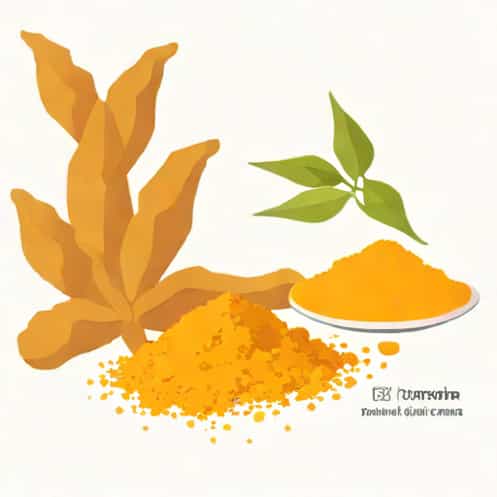
Turmeric, a vibrant yellow spice commonly used in cooking and traditional medicine, has gained significant attention worldwide due to its health-promoting properties. At the heart of turmeric’s benefits is curcumin, a natural compound responsible for its distinctive color and many of its therapeutic effects. Understanding how much curcumin is present in turmeric is crucial for both culinary enthusiasts and individuals seeking its health benefits. Curcumin concentration varies depending on the turmeric variety, growing conditions, and processing methods, making it an important factor to consider for anyone aiming to maximize its potential effects. This topic explores the curcumin content in turmeric, its factors, health implications, and practical applications.
What Is Curcumin?
Curcumin is a bioactive compound found in the rhizome of the turmeric plant (Curcuma longa). It belongs to a group of compounds called curcuminoids, which also includes demethoxycurcumin and bisdemethoxycurcumin. Curcumin is primarily responsible for turmeric’s bright yellow-orange color and contributes to its antioxidant, anti-inflammatory, and potential therapeutic properties. While turmeric contains several curcuminoids, curcumin is the most studied and widely recognized for its health benefits.
Factors Affecting Curcumin Content
The amount of curcumin in turmeric is not uniform and can vary based on several factors
- Turmeric VarietyDifferent cultivars of Curcuma longa produce varying amounts of curcumin. Some varieties are naturally richer in curcuminoids.
- Soil and ClimateGrowing conditions, including soil type, rainfall, and sunlight exposure, influence the concentration of curcumin in the rhizome.
- Harvesting TimeThe stage at which turmeric is harvested affects its curcumin levels. Mature rhizomes typically contain higher concentrations.
- Processing and DryingMethods of drying, grinding, and storing turmeric can affect curcumin stability. Exposure to heat and light may reduce its concentration.
Understanding these factors is essential for consumers seeking turmeric with higher curcumin content, whether for culinary use or health supplementation.
Typical Curcumin Content in Turmeric
On average, raw turmeric root contains approximately 2% to 5% curcumin by weight. This means that for every 100 grams of turmeric powder, there may be 2 to 5 grams of curcumin. However, this range can vary depending on the factors mentioned above. Commercial turmeric powders often standardize curcumin content to ensure consistency, especially when marketed for health purposes. Some high-quality extracts may contain curcumin concentrations as high as 95%, which is significantly greater than natural turmeric powder.
Curcumin in Culinary Use
When turmeric is used in cooking, the curcumin content may vary based on the quantity added and cooking methods. Although curcumin contributes to flavor and color, it is also sensitive to heat, light, and pH changes. For example, prolonged cooking at high temperatures may slightly reduce the curcumin content, but using turmeric in combination with fats, oils, or black pepper (piperine) can enhance its bioavailability, allowing the body to absorb more curcumin effectively.
Health Benefits of Curcumin
Curcumin is widely recognized for its potential health benefits, supported by numerous scientific studies. While the exact dosage required for therapeutic effects is still under investigation, understanding curcumin content helps guide consumption
- Anti-Inflammatory PropertiesCurcumin can inhibit molecules involved in inflammation, potentially benefiting conditions like arthritis and inflammatory bowel disease.
- Antioxidant EffectsIt helps neutralize free radicals and boost the body’s antioxidant defenses, reducing oxidative stress.
- Heart HealthCurcumin may improve endothelial function, contributing to better cardiovascular health.
- Brain FunctionResearch suggests curcumin may increase levels of brain-derived neurotrophic factor (BDNF), supporting cognitive function and mood regulation.
- Potential Anti-Cancer PropertiesSome studies indicate that curcumin may help inhibit the growth of cancer cells and support conventional treatments.
Because curcumin is poorly absorbed when consumed alone, supplements often combine it with piperine or use lipid-based formulations to enhance bioavailability.
Standardized Curcumin Supplements
For those seeking a higher intake of curcumin than what culinary turmeric provides, standardized curcumin supplements are available. These supplements typically contain a concentrated amount of curcumin, ranging from 95% to nearly pure extracts. By knowing the typical curcumin content in turmeric, individuals can compare natural sources with concentrated forms to determine appropriate dosage for health purposes.
Practical Tips for Maximizing Curcumin Intake
To benefit from the curcumin in turmeric, consider the following tips
- Use Quality TurmericSelect fresh, vibrant turmeric or high-quality powder with verified curcumin content.
- Combine with Black PepperPiperine in black pepper significantly enhances curcumin absorption.
- Include Healthy FatsCurcumin is fat-soluble, so cooking turmeric with oils or fats can improve uptake.
- Consider SupplementsFor therapeutic purposes, standardized curcumin extracts offer higher and more consistent dosages.
By following these practices, individuals can make the most of turmeric’s natural curcumin content while enjoying its culinary and medicinal benefits.
Turmeric is not only a flavorful spice but also a potent source of curcumin, the compound responsible for many of its health-promoting properties. Typically, turmeric contains 2% to 5% curcumin by weight, though this can vary based on variety, growing conditions, and processing methods. Understanding the curcumin content is essential for both culinary use and health applications, allowing consumers to make informed choices about dosage and supplementation. Whether used in cooking or as a supplement, curcumin offers significant potential benefits, including anti-inflammatory, antioxidant, and cognitive support. By selecting quality turmeric, enhancing bioavailability through complementary ingredients like black pepper, and considering concentrated supplements when necessary, individuals can effectively harness the power of curcumin for overall wellness.