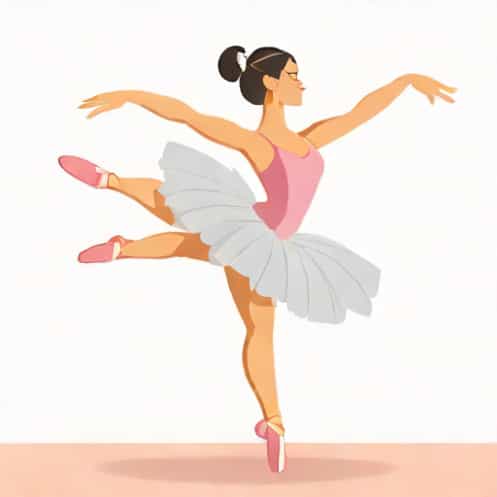
Learning how to do an arabesque in ballet can feel both elegant and challenging, especially for dancers who are still developing balance, strength, and body awareness. The arabesque is a timeless movement that shows off long lines, graceful posture, and precise technique. Mastering it requires patience, controlled breathing, and an understanding of how each part of the body contributes to the overall shape. It is not only about lifting the leg behind you but also about maintaining stability through the core, shoulders, and supporting leg. With consistent practice and mindful technique, anyone can gradually improve their arabesque and build confidence in this classic ballet position.
Understanding the Purpose of the Arabesque
The arabesque is one of the most recognizable ballet positions, used in both classical and contemporary choreography. It highlights extension, balance, and turnout while creating a beautiful line that stretches from fingertips to toes. For many dancers, learning how to do an arabesque is a foundation for performing more advanced techniques such as penché, grand jeté, and adagios filled with sustained poses.
The Key Elements of an Arabesque
- A strong, grounded supporting leg
- Turnout from the hips
- A lifted, lengthened torso
- An extended back leg fully engaged
- Graceful, aligned arms
Each part works together to create harmony. A beautiful arabesque is not about how high the back leg reaches but about control and clean body alignment.
Preparing the Body Before Practicing
Before attempting the arabesque, warming up your muscles is essential. Ballet technique relies heavily on flexibility and strength, and pushing your body into a cold extension may lead to strain.
Helpful Warm-Up Exercises
- Hip openersGentle stretches that release tension in the hip flexors.
- Back warm-upsCat-cow stretches, spinal rolls, and gentle backbends.
- Hamstring stretchesForward folds or leg-on-bar stretches.
- Core activationPlanks and slow leg lifts to prepare the torso.
These warm-ups help you build stability so you can lift your leg without compromising posture or losing your balance.
Step-by-Step Guide to Doing an Arabesque
The arabesque may appear simple, but it has many layers. Practicing each step carefully helps you develop precision and muscle memory.
Step 1 Find Your Starting Position
Begin in first position or fifth position, depending on your skill level. Keep your spine tall, ribs closed, and shoulders relaxed. Staying grounded from the start ensures that you maintain balance throughout the movement.
Step 2 Engage the Core
Your core muscles support your spine and prevent you from arching excessively. Before lifting your leg, gently draw your lower abdominals inward. This engagement helps protect your back and creates a stable foundation.
Step 3 Extend Your Front Arm
The forward arm creates the beginning of the long line that defines the arabesque. Reach through your fingertips without locking your elbow. The arm should feel lengthened, yet natural and supported.
Step 4 Lift the Back Leg
Slowly extend your back leg behind you, keeping it straight and turned out from the hip. Begin with a low lift, focusing on control rather than height. Point your toes fully to keep the line clean.
It is important to avoid twisting your hips. The pelvis should remain as square as possible to the front, even though the back leg moves behind you. This can be challenging at first, but it ensures proper technique.
Step 5 Lengthen the Spine
Visualize reaching upward through the crown of your head while your leg stretches behind you. This creates space in the torso and prevents collapsing into the lower back. The arabesque is as much about lift as it is about extension.
Step 6 Fine-Tune the Upper Body
Once the leg is in place, refine your port de bras. Your forward arm and back arm should form a harmonious line. Avoid lifting the shoulders or letting the elbows sag. The arms contribute to balance, so keep them energized without stiffness.
Step 7 Hold and Breathe
Balance in the arabesque improves over time. Hold the position for a moment while breathing steadily. Breathe through the movement rather than holding tension in the body.
Step 8 Lower the Leg with Control
Bringing the leg back down is just as important as lifting it. Maintain stability and alignment while lowering your leg to the starting position. Gentle control builds muscle memory and grace.
Variations of the Arabesque
There are several main variations of the arabesque in ballet. Each is used for different choreographic effects and requires a slightly different arm or leg position.
First Arabesque
In the first arabesque, the forward arm is the same as the supporting leg. The opposite arm reaches slightly outward behind you, creating an open diagonal line.
Second Arabesque
The second arabesque reverses the arm positions. The arm opposite the supporting leg extends forward while the same-side arm reaches backward.
Third Arabesque
In the third arabesque, both arms extend forward, typically at different heights to add dimension and drama. This version is commonly seen in more expressive choreography.
Strengthening Key Muscles for a Better Arabesque
Improving the arabesque takes consistent work on strength and flexibility. Certain muscle groups are especially important.
Important Areas to Strengthen
- GlutesThe main driver of leg extension.
- HamstringsSupport length in the back of the leg.
- Core musclesEssential for alignment and balance.
- Back musclesMaintain posture and lift through the torso.
- Hip rotatorsHelp maintain turnout.
Exercises such as arabesque lifts at the barre, bridges, clamshells, and back extensions can help you develop the necessary strength.
Common Mistakes and How to Avoid Them
Many dancers struggle with similar challenges when learning how to do an arabesque. Being aware of these issues can help you correct them early.
Overarching the Lower Back
This often happens when dancers try to lift the leg too high before they are ready. Focus on core engagement and lift gradually.
Twisting the Hips
Keeping the hips square is difficult but essential. Over time, increased hip flexibility helps the leg lift without compromising alignment.
Locked Knees
The supporting leg should be straight but not hyperextended. A softly engaged knee prevents strain.
Dropping the Chest
Keep the chest lifted but relaxed. A collapsed chest disrupts balance and breaks the clean line of the movement.
Improving Balance in Your Arabesque
Balance is one of the biggest challenges when performing an arabesque. Using small corrections helps create stability.
Tips for Better Balance
- Keep your gaze focused on a steady point.
- Engage the abdominals without tension.
- Distribute weight evenly in the supporting foot.
- Avoid leaning too far forward or backward.
- Lift the back leg slowly to maintain control.
Balance becomes easier as strength and muscle coordination improve.
Learning how to do an arabesque in ballet is a rewarding journey that builds elegance, balance, and strength. With consistent practice, attention to alignment, and patience with your own progress, you can develop a beautifully extended arabesque that feels both stable and expressive. Every dancer grows at their own pace, so celebrate each improvement, no matter how small. Over time, the movement will feel more natural, allowing you to perform it confidently both at the barre and in the center.