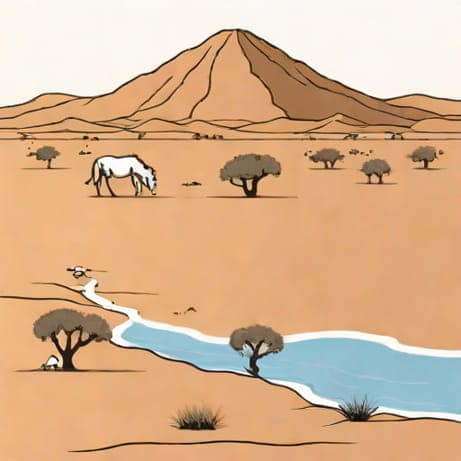
The Atacama Desert is widely recognized as one of the driest places on Earth, attracting scientists, adventurers, and tourists from around the world. Its unique landscapes, ranging from salt flats and volcanic craters to high-altitude lagoons and sand dunes, create an otherworldly experience that is unlike any other desert. Many people who hear about the Atacama Desert often wonder, In which country is the Atacama Desert located? Knowing its location is the first step in planning a visit or understanding its geological and cultural significance. This topic explores the country where the Atacama Desert is found, as well as its geography, climate, history, and attractions.
Location of the Atacama Desert
The Atacama Desert is located in northern Chile, along the Pacific coast of South America. It stretches approximately 600 miles (1,000 kilometers) from the southern border of Peru down to the northern regions of Chile. The desert is bordered by the Pacific Ocean to the west and the Andes Mountains to the east. Its unique positioning between the mountains and the ocean contributes to its extremely dry climate, making it the perfect example of a coastal desert.
Geographical Features
The Atacama Desert has an incredibly diverse landscape despite its arid conditions. Some of its most notable features include
- Salt FlatsExpansive salt flats, such as the Salar de Atacama, create a reflective white surface that stretches for miles.
- VolcanoesThe desert is home to many towering volcanoes, including Licancabur, which rises dramatically near the Bolivian border.
- Geysers and Hot SpringsEl Tatio Geyser Field is one of the highest geyser fields in the world, attracting visitors at sunrise for its stunning eruptions.
- LagoonsHigh-altitude lagoons, like the Miscanti and Miñiques, are surrounded by striking volcanic landscapes and are habitats for flamingos and other wildlife.
- Sand DunesDunes in areas such as Valle de la Luna resemble the surface of another planet, providing dramatic scenery for hikers and photographers.
Climate of the Atacama Desert
The Atacama Desert is famous for its extremely dry conditions. Some weather stations in the desert have recorded little to no rainfall for decades. The desert’s climate is influenced by several factors, including the cold Humboldt Current off the Pacific coast and the rain shadow effect of the Andes Mountains. These factors combine to prevent clouds from forming, resulting in intense sunlight, high evaporation rates, and minimal precipitation.
Temperature Variations
Despite being one of the driest places on Earth, the Atacama Desert experiences significant temperature fluctuations. Daytime temperatures can rise above 30°C (86°F), while nighttime temperatures, especially at higher altitudes, can drop below freezing. These extreme variations make the desert a challenging but fascinating environment for both humans and wildlife.
History and Human Presence
Although it may seem inhospitable, the Atacama Desert has a long history of human habitation. Indigenous groups such as the Atacameños have lived in the region for thousands of years, adapting to the harsh climate through agriculture and the use of natural resources. The desert is rich in archaeological sites, including ancient petroglyphs, ruins, and burial mounds, which provide insight into early human life in one of the world’s most extreme environments.
Scientific Importance
The Atacama Desert is not only a place of cultural significance but also a major center for scientific research. Its dry climate and high altitude make it one of the best locations for astronomical observatories in the world. Several major observatories, including ALMA (Atacama Large Millimeter/submillimeter Array), are situated in the desert to study the universe with minimal atmospheric interference. Researchers also use the Atacama as a testing ground for Mars-like conditions due to its extreme dryness and soil composition.
Tourist Attractions
Tourists visiting the Atacama Desert can enjoy a wide range of natural wonders and cultural experiences. Some highlights include
- Valle de la LunaKnown as the Moon Valley, this area features dramatic rock formations, sand dunes, and salt-crusted landscapes perfect for sunset photography.
- Laguna ChaxaLocated in the Salar de Atacama, this lagoon is home to flamingos and other wildlife.
- El Tatio GeysersEarly morning tours allow visitors to witness geysers erupting in the cool desert air.
- San Pedro de AtacamaThis small town serves as the main gateway to the desert and offers charming accommodations, local markets, and cultural experiences.
- Star GazingWith some of the clearest skies on Earth, the desert is perfect for night sky observation and astronomy tours.
Best Time to Visit
The best time to visit the Atacama Desert depends on the activities you want to enjoy. The most popular months are from March to May and September to November when temperatures are moderate and skies are clear. Avoiding the peak summer months is recommended if you prefer milder daytime heat. Due to its dry climate, rain is rare year-round, making the desert accessible for tourists almost any time.
Travel Tips
- Bring sunscreen, hats, and sunglasses due to intense sun exposure.
- Carry sufficient water as the desert environment can be dehydrating.
- Acclimate to high altitudes gradually, especially if visiting geysers or high lagoons.
- Book tours in advance to ensure availability for popular sites.
The Atacama Desert is located in northern Chile and represents one of the most unique and extreme environments on Earth. Its dry climate, stunning landscapes, rich cultural history, and scientific significance make it a must-visit destination for travelers, researchers, and adventure enthusiasts. From salt flats and geysers to high-altitude lagoons and ancient archaeological sites, the Atacama Desert offers a combination of natural beauty and fascinating history that is unparalleled. Understanding its location in Chile helps travelers plan their journey and appreciate the remarkable features of this extraordinary desert.