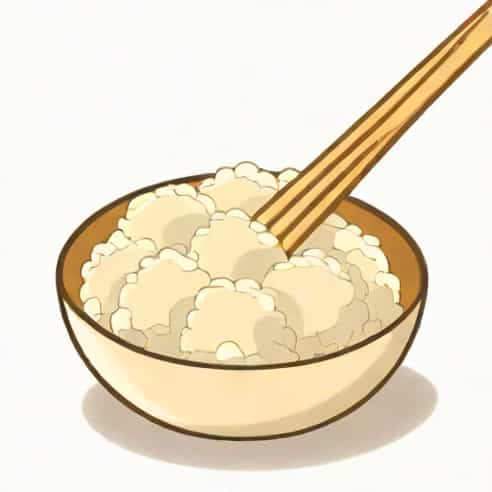
Glutinous rice, often referred to in many culinary contexts, raises a common question among food enthusiasts and cooks alike is glutinous rice the same as sticky rice? This confusion is understandable because the terms are frequently used interchangeably, but there are subtle distinctions that can affect cooking methods, texture, and even cultural culinary practices. Glutinous rice plays an essential role in many Asian cuisines, particularly in desserts, dumplings, and traditional dishes, and understanding its characteristics is crucial for anyone looking to cook it authentically. In this topic, we explore what glutinous rice is, why it is called sticky rice, and how it differs from other types of rice.
What is Glutinous Rice?
Glutinous rice, also known as sweet rice or sticky rice, is a type of rice primarily grown in Southeast and East Asia. Despite its name, it does not contain gluten. The term glutinous refers to its glue-like or sticky texture when cooked. This property is due to its high amylopectin content and very low amylose content. Unlike other rice varieties, glutinous rice grains cling together when steamed, creating a unique texture that is highly valued in many traditional recipes.
Characteristics of Glutinous Rice
- Sticky and cohesive texture when cooked.
- Opaque, rather than translucent, in appearance.
- Low amylose and high amylopectin content.
- Often used in sweet and savory dishes in Asian cuisines.
Why Glutinous Rice is Called Sticky Rice
The term sticky rice is a common name for glutinous rice due to its naturally adhesive texture after cooking. In many Asian countries, including Thailand, Laos, and Vietnam, sticky rice is a staple food. It is usually steamed rather than boiled, which helps maintain its signature sticky consistency. Sticky rice is versatile it can be served as a side dish, wrapped in banana leaves, or incorporated into desserts like mango sticky rice or glutinous rice balls.
Cooking Methods for Sticky Rice
- Soaking Glutinous rice is usually soaked for several hours or overnight before cooking to achieve optimal texture.
- Steaming Traditional sticky rice is steamed using a bamboo basket or steaming tray.
- Boiling While less common, some recipes involve boiling, but it may reduce stickiness.
- Combination Certain desserts combine steaming and subsequent mixing with ingredients like coconut milk.
Differences Between Glutinous Rice and Regular Rice
Understanding the difference between glutinous rice and regular rice varieties such as jasmine or basmati rice is important for culinary accuracy. Regular rice contains higher amylose content, which makes the grains separate and fluffy when cooked. In contrast, glutinous rice sticks together due to its high amylopectin content. This distinction affects not only texture but also how the rice interacts with sauces and other ingredients in recipes.
Comparison Table
- Glutinous RiceSticky, cohesive, low amylose, high amylopectin, ideal for dumplings and desserts.
- Jasmine/Basmati RiceFluffy, separate grains, higher amylose, lower amylopectin, suitable for curries and pilafs.
Cultural Significance of Glutinous Rice
Glutinous rice holds deep cultural significance in many Asian countries. In Laos and northern Thailand, sticky rice is a central part of daily meals and traditional ceremonies. In Japan, a variety called mochigome is used to make mochi, a rice cake celebrated during festivals. In China, glutinous rice is used for zongzi, a traditional dumpling wrapped in bamboo leaves during the Dragon Boat Festival. These cultural practices highlight the versatility and importance of glutinous rice beyond just its culinary function.
Popular Dishes Using Glutinous Rice
- Mango Sticky Rice (Thailand)
- Sticky Rice Dumplings (China)
- Japanese Mochi
- Glutinous Rice Balls with Sweet Fillings
- Laotian and Northern Thai Steamed Sticky Rice
Nutrition of Glutinous Rice
Glutinous rice is primarily composed of carbohydrates and provides energy. It is low in fat and contains minimal protein compared to other rice varieties. Because it is sticky and dense, it can be filling and is often paired with proteins, vegetables, or coconut-based dishes to create balanced meals. It is also gluten-free, making it suitable for people with gluten sensitivities, despite the misleading glutinous name.
Health Considerations
- High in carbohydrates and calories, so portion control is important.
- Low in fiber unless combined with other ingredients or whole grains.
- Gluten-free, making it suitable for gluten-intolerant individuals.
- Can be part of a balanced diet when combined with protein and vegetables.
Tips for Cooking Glutinous Rice
Cooking glutinous rice properly is essential to achieve the desired sticky texture. Here are some practical tips
Soak Before Cooking
- Soak rice for at least 4-6 hours or overnight.
- Drain and rinse thoroughly to remove excess starch.
Steam, Don’t Boil
- Use a steamer basket or traditional bamboo steamer.
- Line the steamer with cheesecloth or banana leaves to prevent sticking.
Serve Fresh
- Sticky rice is best eaten immediately after steaming.
- If reheating, use a steamer or microwave with a damp cloth to restore stickiness.
Glutinous rice and sticky rice are terms that essentially refer to the same type of rice known for its adhesive texture when cooked. Understanding its properties, cultural significance, and culinary uses is essential for cooking authentic Asian dishes. Unlike regular rice, glutinous rice is ideal for desserts, dumplings, and traditional meals where stickiness is desired. By soaking, steaming, and following proper cooking techniques, anyone can enjoy the unique texture and flavor of glutinous rice. This versatile rice not only enhances the taste of dishes but also provides insight into rich cultural traditions that have cherished its sticky, cohesive nature for centuries.