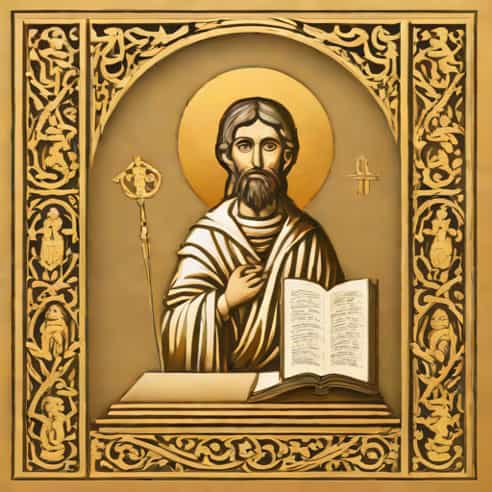
Gregorian chant is one of the most recognized forms of Western liturgical music, often associated with the solemnity of medieval monasteries and cathedrals. Its ethereal melodies have captivated listeners for centuries, creating a spiritual atmosphere that feels both timeless and meditative. However, many people are curious about its musical structure, particularly whether Gregorian chant is polyphonic or not. Understanding this aspect requires exploring the historical origins, performance practice, and evolution of the chant within the context of Western music history.
The Nature of Gregorian Chant
Gregorian chant is a form of plainchant, a monophonic musical tradition used in the Roman Catholic Church. It developed mainly between the 9th and 10th centuries and is named after Pope Gregory I, who is traditionally credited with codifying and organizing the chant repertoire, although historical evidence suggests that its development was more complex and involved multiple influences. Gregorian chant is characterized by a single melodic line without harmony or accompaniment, designed to be sung in unison by a choir or congregation.
Monophonic Structure
The defining feature of Gregorian chant is its monophonic texture. This means that all singers perform the same melody simultaneously, without independent melodic lines moving in contrast. The chant focuses on melodic contour, textual clarity, and rhythmic freedom rather than harmonic progression. This monophonic structure is what differentiates Gregorian chant from later polyphonic compositions, which feature multiple simultaneous melodies that interact with one another.
Purpose and Function
Gregorian chant was primarily used for liturgical purposes, including the Mass and the Divine Office. Its monophonic nature was functional, ensuring that the sacred text was clearly understood by the congregation. The simplicity of a single melodic line helped maintain solemnity and spiritual focus. Chant was not meant to showcase harmonic complexity but to elevate the spiritual experience of worshippers.
Polyphony in Western Music
To understand whether Gregorian chant is polyphonic, it is necessary to define polyphony. Polyphony refers to a musical texture in which two or more independent melodic lines are performed simultaneously. Each line, or voice, has its own rhythm and contour, creating harmonic and contrapuntal relationships. Polyphony became a dominant feature in Western music during the Middle Ages and Renaissance, evolving from the simple monophonic chants of earlier centuries.
Early Polyphonic Developments
Although Gregorian chant itself is monophonic, it served as the foundation for early polyphonic music. Musicians and composers experimented with adding additional melodic lines to existing chants. One of the earliest forms of polyphony was organum, in which a second voice was added to a Gregorian chant melody, often at a fixed interval such as a fourth or fifth. This innovation marked the beginning of a gradual transition from monophony to polyphony in Western sacred music.
Relationship Between Gregorian Chant and Polyphony
While Gregorian chant is not polyphonic in its original form, it played a crucial role in the development of polyphony. Composers like Léonin and Pérotin at the Notre Dame School in the 12th and 13th centuries used chant melodies as a cantus firmus, or fixed melody, around which they constructed multiple independent voices. This technique demonstrates how monophonic Gregorian chant became a stepping stone for polyphonic composition, bridging the gap between medieval plainchant and the intricate polyphony of the Renaissance.
Variations and Exceptions
It is worth noting that there are instances where chant was performed with a degree of harmonic accompaniment or in a style that could resemble polyphony. For example, in later centuries, some chant traditions incorporated parallel singing or drone notes, creating a texture that adds harmonic depth without fully departing from the monophonic framework. These variations, however, are not considered true polyphony in the strictest sense, as they do not involve independent, contrapuntally interacting melodic lines.
Organum and Early Polyphonic Experiments
Organum represents the closest connection between Gregorian chant and polyphony. In its simplest form, organum involved singing the chant melody alongside another note or voice that moved in parallel intervals. Over time, this practice evolved into more complex forms of polyphony, where the additional voices became rhythmically and melodically independent. While this shows that Gregorian chant could be adapted for polyphonic treatment, the original chant remains monophonic.
Modern Interpretations
Contemporary performances of Gregorian chant sometimes explore polyphonic arrangements for artistic effect, blending traditional melodies with modern harmonization. While these interpretations can be beautiful, they are a modern adaptation rather than a reflection of historical practice. For those studying medieval musicology, it is important to distinguish between authentic monophonic chant and later polyphonic treatments.
Characteristics That Define Gregorian Chant
Several key characteristics highlight why Gregorian chant is not polyphonic
- Single melodic lineAll performers sing the same notes simultaneously.
- Free rhythmThe chant follows the natural flow of the text rather than a strict meter.
- Absence of harmonyThere is no intentional combination of independent melodies to create chords.
- Liturgical focusThe music serves religious and spiritual purposes rather than harmonic exploration.
These features reinforce the understanding that Gregorian chant is a monophonic tradition, emphasizing melody and text over harmonic complexity.
Gregorian chant, in its original and historical form, is not polyphonic. It is a monophonic musical tradition designed for unison singing in religious settings. Its importance in the history of Western music cannot be overstated, as it laid the foundation for the development of polyphony in the Middle Ages. While later adaptations and experiments introduced harmonic and contrapuntal elements to chant melodies, authentic Gregorian chant remains a model of monophonic clarity, simplicity, and spiritual expression. Understanding this distinction is crucial for appreciating the evolution of Western music from the serene, single-line melodies of Gregorian chant to the complex polyphony that defines later periods.