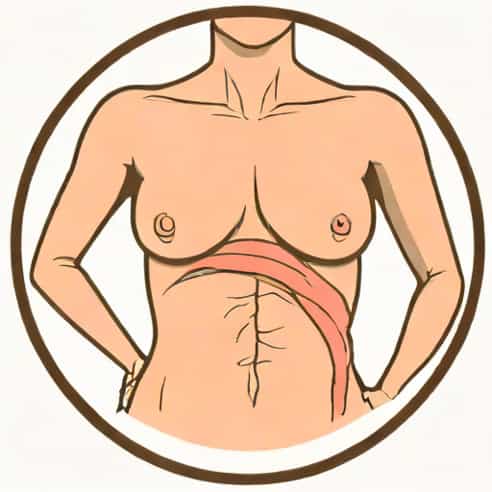
Mastectomy is a surgical procedure often associated with the treatment or prevention of breast cancer, and it involves the removal of one or both breasts. Many people wonder whether mastectomy qualifies as major surgery due to its physical and emotional impact. Understanding the scope, risks, recovery, and long-term considerations of mastectomy can help patients, families, and caregivers prepare for the process. This topic explores the details of mastectomy, the factors that make it a significant surgical intervention, and what patients can expect before, during, and after the procedure.
What is a Mastectomy?
A mastectomy is a medical operation that removes breast tissue to treat or prevent breast cancer. There are several types of mastectomy, including total mastectomy, modified radical mastectomy, skin-sparing mastectomy, and nipple-sparing mastectomy. Each type varies in the extent of tissue removal and the preservation of skin, nipple, or surrounding structures. The choice of procedure depends on the patient’s medical condition, stage of cancer, and personal preferences.
Types of Mastectomy
- Total MastectomyRemoval of the entire breast, including the nipple and areola.
- Modified Radical MastectomyInvolves removal of the entire breast and some lymph nodes under the arm.
- Skin-Sparing MastectomyPreserves most of the breast skin, usually followed by immediate reconstruction.
- Nipple-Sparing MastectomyPreserves the nipple and areola while removing underlying tissue.
Why Mastectomy is Considered Major Surgery
Mastectomy is classified as major surgery because it involves significant removal of tissue, potential disruption of lymph nodes, and anesthesia. Major surgeries typically require careful planning, hospital admission, and extended recovery. The procedure also carries risks such as bleeding, infection, and complications related to anesthesia. Furthermore, because it impacts the chest and may involve lymph node removal, it can lead to long-term changes in mobility, sensation, and overall body image.
Physical Impact
The physical effects of mastectomy are considerable. The removal of breast tissue can affect posture, balance, and upper body strength. When lymph nodes are removed, there is a risk of lymphedema, which causes swelling in the arm and requires ongoing management. Pain and discomfort are common in the first weeks following surgery, and patients may need pain management strategies and physical therapy to regain mobility and strength.
Emotional and Psychological Considerations
Undergoing a mastectomy can have profound emotional effects. Patients often experience feelings of loss, anxiety, or changes in self-image. Support from mental health professionals, support groups, and counseling is often recommended to help individuals cope with these emotional challenges. The psychological impact contributes to why mastectomy is considered a major surgery, as recovery is not only physical but also emotional and social.
Preoperative Preparation
Before a mastectomy, patients typically undergo a series of evaluations and tests, including imaging studies, blood work, and consultations with surgeons and anesthesiologists. Preoperative preparation may also include discussions about reconstruction options, pain management plans, and postoperative care. This planning phase is crucial for reducing risks and ensuring a smoother recovery process.
Anesthesia and Hospital Stay
Mastectomy requires general anesthesia, which places the patient in a controlled state of unconsciousness during surgery. Anesthesia carries its own risks, including reactions to medications, respiratory complications, or cardiovascular issues. Patients usually stay in the hospital for one to several days depending on the extent of the surgery and whether reconstruction is performed simultaneously. Hospital monitoring allows medical staff to manage pain, observe for complications, and provide immediate care if needed.
Recovery and Rehabilitation
Recovery from a mastectomy varies based on the type of procedure and the patient’s overall health. Initial recovery involves managing pain, caring for surgical drains if present, and preventing infections. Physical therapy may be recommended to restore range of motion and strength in the chest and shoulder area. Emotional support remains critical, as patients adapt to changes in body image and lifestyle.
Long-Term Considerations
After a mastectomy, long-term considerations include monitoring for cancer recurrence, managing lymphedema if lymph nodes were removed, and deciding on reconstructive surgery if desired. Regular follow-up appointments are essential for assessing healing, evaluating any complications, and providing guidance for ongoing health management. Many patients also consider prosthetic options or reconstructive techniques to restore the appearance of the breast.
Risks and Complications
Like any major surgery, mastectomy carries risks. Common complications include
- Infection at the surgical site
- Bleeding or hematoma formation
- Lymphedema due to lymph node removal
- Changes in sensation or numbness
- Delayed wound healing
- Emotional and psychological stress
Awareness of these risks helps patients prepare mentally and physically, ensuring that proper precautions and treatments are in place.
Why Understanding Mastectomy Matters
Understanding that mastectomy is a major surgery helps patients make informed decisions about their health. Recognizing the physical, emotional, and lifestyle impacts allows individuals to plan for recovery, seek appropriate support, and address potential challenges proactively. Education about the procedure can reduce anxiety, improve cooperation with healthcare providers, and promote a more positive recovery experience.
Mastectomy is undeniably a major surgery due to its complexity, risks, and the profound impact it has on patients physically, emotionally, and socially. It requires careful planning, skilled surgical execution, and a comprehensive recovery plan that addresses both physical rehabilitation and emotional support. Whether for cancer treatment or prevention, understanding the significance of mastectomy enables patients and families to navigate the process with greater confidence, knowledge, and preparedness. By recognizing it as major surgery, patients can take the necessary steps to ensure a safe and effective outcome while managing the challenges associated with such a life-altering procedure.