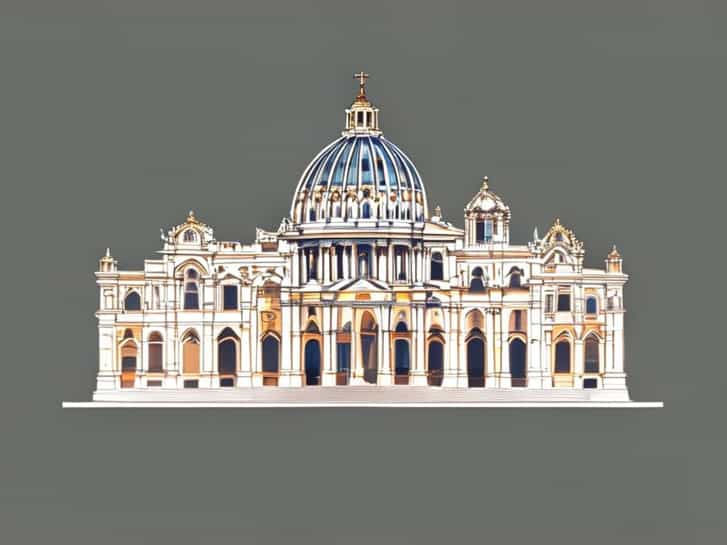
Many visitors to Vatican City often wonder about the location of the Sistine Chapel and whether it is part of St. Peter’s Basilica. This is a common question because both landmarks are iconic, closely associated with the Vatican, and celebrated for their art and historical significance. The Sistine Chapel is world-renowned for its stunning frescoes painted by Michelangelo, including the famous ceiling and The Last Judgment. However, despite its proximity to St. Peter’s Basilica, the Sistine Chapel is actually a separate building within Vatican City, serving a distinct purpose and holding its own unique history and cultural importance.
The Location of the Sistine Chapel
The Sistine Chapel is located within the Vatican Museums complex, adjacent to the Vatican Palace. It is not physically part of St. Peter’s Basilica, although the two sites are close enough that many tourists visit both in a single trip. The chapel measures approximately 40.9 meters long and 14 meters wide, making it a relatively modest structure compared to the massive St. Peter’s Basilica. Its location within the Vatican allows it to serve its ceremonial and administrative purposes, particularly related to papal events and conclaves.
Architectural Significance
The chapel was designed by architect Giovanni dei Dolci and completed between 1473 and 1481 under Pope Sixtus IV, after whom it is named. Its rectangular shape, vaulted ceiling, and proportionate design make it architecturally distinct from the grandeur of St. Peter’s Basilica. Unlike the basilica, which functions as a central place of worship and pilgrimage, the Sistine Chapel was designed primarily as a private chapel for the Pope and as a location for important religious and administrative gatherings within the Vatican.
Purpose and Function
While St. Peter’s Basilica serves as a public space for mass, ceremonies, and general worship, the Sistine Chapel has a more specialized role. It is best known as the site of the papal conclave, the process by which a new Pope is elected. Cardinals from around the world gather within its walls, under Michelangelo’s magnificent frescoes, to elect the next leader of the Catholic Church. In addition to this administrative function, the chapel also hosts private religious services and important ceremonies, reflecting its sacred and exclusive purpose.
Frescoes by Michelangelo
The Sistine Chapel’s fame largely comes from its frescoes, particularly those painted by Michelangelo between 1508 and 1512. The ceiling features a series of panels depicting scenes from the Book of Genesis, including the iconic Creation of Adam. Later, between 1536 and 1541, Michelangelo returned to paint The Last Judgment on the altar wall. These works not only demonstrate artistic mastery but also convey deep religious themes. While St. Peter’s Basilica contains remarkable art, including Bernini’s Baldachin and sculptures by other masters, it does not feature a single cohesive work of frescoes like the Sistine Chapel.
Differences Between the Sistine Chapel and St. Peter’s Basilica
Although both are located within Vatican City and are central to Catholic tradition, there are several important differences between the Sistine Chapel and St. Peter’s Basilica
- FunctionSt. Peter’s Basilica is a large place of worship and pilgrimage, while the Sistine Chapel serves ceremonial, administrative, and conclave functions.
- Size and StructureThe basilica is enormous, with a central dome and extensive interior space, whereas the Sistine Chapel is smaller, rectangular, and designed for focused gatherings.
- Artistic FocusThe Sistine Chapel is renowned for its frescoes, especially Michelangelo’s work, while St. Peter’s contains varied art including sculptures, mosaics, and architectural elements.
- AccessThe basilica is open for regular public services, whereas the Sistine Chapel has more controlled access due to its ceremonial importance and preservation concerns.
- Historical RoleThe Sistine Chapel is closely tied to papal elections, whereas St. Peter’s Basilica serves as the spiritual heart of the Catholic Church.
Visiting the Sistine Chapel
Tourists often visit the Sistine Chapel as part of the Vatican Museums tour. Its location within the museum complex means that access is regulated, and visitors must enter through the museum. Photography is generally prohibited inside the chapel to protect the delicate frescoes. Guided tours provide context about the history, the meaning of the artwork, and the chapel’s role in papal tradition. In contrast, St. Peter’s Basilica allows more open access for mass, private prayer, and exploration of the grand architecture, including the climb to the dome for panoramic views of Rome.
Impact on Art and Culture
The Sistine Chapel has had an enduring impact on both art and culture worldwide. Michelangelo’s frescoes have influenced generations of artists, while the chapel itself symbolizes the intersection of religion, art, and human achievement. St. Peter’s Basilica, while monumental and inspiring, functions more as an architectural and religious marvel rather than a single artistic statement. Understanding that the Sistine Chapel is not inside the basilica clarifies its unique status and emphasizes the distinct contributions of each site to the Vatican’s cultural and spiritual heritage.
In summary, the Sistine Chapel is not located in St. Peter’s Basilica. It is a separate building within Vatican City, serving unique ceremonial and administrative functions, including the papal conclave. Its architectural design, historical purpose, and world-famous frescoes by Michelangelo distinguish it from the basilica, which serves as a central place of worship and pilgrimage. While both landmarks are integral to the Vatican and the Catholic Church, understanding the distinction allows visitors and scholars to appreciate their individual significance, cultural contributions, and historical roles. The Sistine Chapel stands as a testament to artistic genius and religious tradition, complementing but separate from the grandeur and spiritual power of St. Peter’s Basilica.