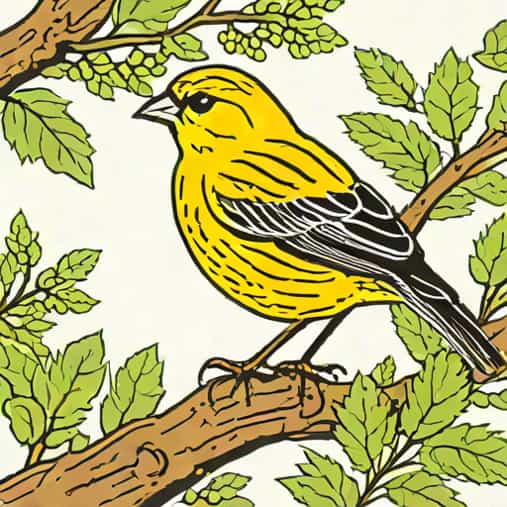
The Yellowhammer, a small but strikingly colorful bird, has long been associated with the state of Alabama. Known for its bright yellow plumage and melodious song, this bird has captured the hearts of residents and bird enthusiasts alike. Many people often ask, Is the Yellowhammer the Alabama state bird? The answer is yes, and this designation carries historical, cultural, and ecological significance. Understanding why the Yellowhammer holds this title requires exploring its characteristics, history, symbolism, and its presence in Alabama’s natural landscapes.
Introduction to the Yellowhammer
The Yellowhammer, scientifically known asEmberiza citrinellain Europe and commonly referred to as the Northern Flicker or Yellowhammer in North America, is recognized for its vibrant yellow feathers and distinctive call. In Alabama, the term Yellowhammer specifically refers to the Northern Flicker, a type of woodpecker. This bird is easily spotted in open fields, woodlands, and suburban areas across the state. Its bright coloring and energetic movements make it a favorite among bird watchers and nature enthusiasts.
Physical Characteristics
- Bright yellow underwings and tail feathers, especially visible in flight.
- Brownish back with black spots, offering camouflage against trees and the ground.
- Distinctive black mustache-like markings on the face in males.
- Medium-sized, approximately 11-12 inches in length, with a wingspan around 16-20 inches.
Behavior and Diet
The Yellowhammer is primarily ground-feeding, consuming a variety of seeds, insects, and fruits. Its diet can vary seasonally, shifting to insects and larvae during spring and summer for breeding purposes. This bird is known for its characteristic drumming behavior, tapping on tree trunks to communicate or mark territory. The cheerful and persistent call of the Yellowhammer adds to its charm, making it easily identifiable even when it is not in sight.
Historical Background of the Alabama State Bird
The designation of the Yellowhammer as Alabama’s state bird is deeply rooted in the state’s history. During the Civil War, Alabama soldiers wore bright yellow-trimmed uniforms, earning the nickname Yellowhammers. The bird’s striking yellow plumage reminded people of these soldiers, creating a symbolic connection between the species and the state’s heritage. In 1927, the Alabama Legislature officially adopted the Yellowhammer as the state bird, cementing its place in the cultural identity of Alabama.
Symbolism of the Yellowhammer
- Represents Alabama’s rich history and connection to the Civil War era.
- Symbolizes resilience, vigilance, and community through its behavior and presence.
- Embodies the natural beauty and biodiversity of Alabama’s landscapes.
- Serves as an educational tool for teaching students about local wildlife and state symbols.
Habitat and Distribution in Alabama
The Yellowhammer is widely distributed throughout Alabama, inhabiting forests, open fields, and areas with scattered trees. It prefers environments where it can forage on the ground while having access to trees for nesting. The bird is especially common in rural areas but can also adapt to suburban environments, often seen in parks, gardens, and along roadsides.
Breeding and Nesting
During the breeding season, Yellowhammers create nests in trees, using cavities or building platforms lined with soft materials. Both males and females participate in raising the young, which strengthens the social bonds within their species. The presence of these birds during spring and summer is a cheerful reminder of the state’s thriving ecosystems, attracting bird watchers and nature lovers to observe their behavior and vibrant plumage.
Seasonal Movements
While some populations of Yellowhammers are resident throughout the year, others exhibit partial migration. They may move locally in response to food availability and weather conditions. Alabama’s mild winters make the state a favorable habitat for these birds, allowing many to remain year-round and maintain stable populations across the region.
Conservation Status
The Yellowhammer is currently not considered threatened or endangered. Its populations remain stable due to the adaptability of the species and the availability of suitable habitats in Alabama. However, habitat loss due to urban development, deforestation, and changes in agricultural practices can impact local populations. Conservation efforts focus on preserving natural habitats, planting native vegetation, and promoting awareness about the importance of protecting state wildlife.
Role in Ecosystems
- Helps control insect populations by feeding on larvae and pests.
- Contributes to seed dispersal, aiding in plant propagation.
- Provides a food source for predators, maintaining ecological balance.
- Enhances biodiversity and the overall health of natural environments.
Cultural and Educational Significance
The Yellowhammer’s status as Alabama’s state bird extends beyond its ecological role. It serves as a symbol of pride for the state, appearing in educational materials, state publications, and cultural representations. Schools often teach students about the Yellowhammer as part of lessons on state history, biology, and conservation, fostering a connection between young residents and their local environment.
Representation in Art and Media
- Depicted in artwork, illustrations, and murals celebrating Alabama’s heritage.
- Featured in wildlife guides, books, and educational programs for children.
- Used as a symbol in local festivals, events, and community initiatives.
- Inspires photography and birdwatching activities, promoting eco-tourism.
Interesting Facts About the Yellowhammer
- The Yellowhammer is also known as the Northern Flicker, a type of woodpecker with a distinctive drumming pattern.
- Its bright yellow coloration is most prominent on males, particularly during courtship displays.
- The bird’s name became synonymous with Alabama soldiers during the Civil War due to the similarity in color to their uniforms.
- Yellowhammers can live up to 11 years in the wild under favorable conditions.
- They play an important role in controlling insect populations and maintaining healthy ecosystems.
Yes, the Yellowhammer is indeed the Alabama state bird. Its bright yellow plumage, distinctive call, and historical significance make it a cherished symbol of the state. From its connection to Alabama soldiers during the Civil War to its role in local ecosystems and educational programs, the Yellowhammer embodies the natural beauty, resilience, and cultural heritage of Alabama. By learning about and appreciating this iconic bird, residents and visitors alike can deepen their understanding of the state’s wildlife and contribute to the conservation of this emblematic species for future generations. Whether seen in forests, fields, or suburban areas, the Yellowhammer remains a vibrant and enduring symbol of Alabama pride.