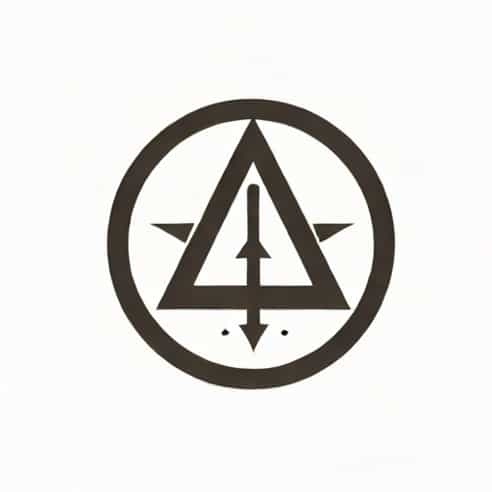
Atheism is often described as the lack of belief in deities or gods, but it is more than just a simple disbelief; it represents a worldview based on reason, evidence, and skepticism toward supernatural claims. While many religions have recognizable symbols such as the cross, the Star of David, or the crescent, atheism does not inherently come with a universally recognized emblem. However, over time, various symbols have emerged that attempt to represent atheism and secular humanism. Understanding whether there is a symbol for atheism and the meanings behind these representations helps shed light on how atheists identify themselves and communicate their beliefs in a largely religious world.
The Concept of Symbols in Atheism
Symbols serve as visual representations of beliefs, communities, or philosophies. In religious contexts, symbols often convey complex theological ideas, cultural heritage, and moral principles. Atheism, being the absence of belief in gods rather than a doctrine or faith, does not naturally have a single sacred or traditional symbol. Nevertheless, the need for identification and community has led atheists to adopt various symbols that reflect reason, science, and skepticism. These symbols help atheists express their worldview and foster a sense of belonging among individuals who share similar values.
Popular Symbols Associated with Atheism
Although there is no universally mandated symbol for atheism, several have gained recognition in secular and atheist communities. Some of the most notable include
- The Atomic AA stylized letter A often placed inside an atomic symbol, representing both atheism and the scientific worldview. It was popularized by the Richard Dawkins Foundation for Reason and Science and has become widely recognized among atheists.
- The Scarlet Letter AInspired by Nathaniel Hawthorne’s novel The Scarlet Letter, this symbol is sometimes used by atheists to embrace their non-belief openly, inverting the original connotation of shame.
- The Invisible Pink UnicornA whimsical symbol representing the absurdity of believing in an invisible deity, often used humorously within atheist discourse.
- The Humanist SymbolFeaturing an abstract human figure rising or reaching upward, this symbol is used by secular humanists, many of whom identify as atheists, to emphasize human-centered ethics and reason.
The Atomic A
The Atomic A has become one of the most recognized symbols for atheism in contemporary society. It combines the letter A, standing for atheism, with an atomic structure, symbolizing science, reason, and rational thought. This symbol is often used in online communities, atheist literature, merchandise, and conferences. Its design conveys a positive and forward-thinking message, celebrating knowledge, inquiry, and skepticism rather than focusing solely on opposition to religion.
Meaning Behind the Atomic A
- Represents atheism and non-belief in gods.
- Symbolizes rationalism, science, and evidence-based thinking.
- Serves as a visual identity for atheists and secular communities.
- Promotes open discussion and acceptance of diverse beliefs or non-beliefs.
Other Symbols and Their Significance
Aside from the Atomic A, other symbols have been adopted by atheists and secular humanists to convey similar ideas of reason, morality, and skepticism. These symbols may not be as universally recognized but still play an important role in self-identification and community building.
The Scarlet Letter A
The Scarlet Letter A is sometimes used by atheists to reclaim the concept of being marked for non-conformity. Historically associated with shame, this letter is reinterpreted as a badge of intellectual independence, critical thinking, and personal integrity. Wearing or displaying the Scarlet Letter A can signify pride in questioning religious authority and embracing a secular worldview.
The Invisible Pink Unicorn
The Invisible Pink Unicorn is a playful and satirical symbol often used to illustrate the challenges of proving or disproving the existence of supernatural entities. By asserting the absurdity of believing in an invisible, undetectable deity, this symbol encourages atheists and skeptics to think critically about faith, evidence, and belief. While humorous, it also serves as a conversation starter about rational inquiry and the nature of belief.
Humanist Symbol
Many atheists identify with secular humanism, which emphasizes ethical living, reason, and human welfare without reliance on supernatural beliefs. The Humanist Symbol, typically featuring an abstract human figure or a rising figure enclosed in a circle, represents human-centered morality and rational decision-making. It communicates values such as compassion, justice, and critical thinking while aligning closely with atheist principles.
Why Symbols Matter for Atheists
Symbols help create a sense of community and identity, even for groups that lack a formalized religious doctrine. For atheists, displaying or recognizing a symbol can signify alignment with reason, secularism, and rational inquiry. It can also serve as a subtle form of activism or public statement, challenging assumptions about belief and encouraging open dialogue. Beyond personal identification, symbols help communities organize, share ideas, and promote social acceptance of non-religious perspectives.
Functions of Atheist Symbols
- Visual identification within the atheist or secular community.
- Promotion of science, reason, and skepticism.
- Encouragement of public discussion about belief, evidence, and morality.
- Fostering solidarity among non-believers in predominantly religious societies.
Controversies and Misunderstandings
Despite their usefulness, atheist symbols sometimes face misunderstandings or controversy. Critics may view them as confrontational, offensive, or oppositional to religion. However, most symbols, especially the Atomic A and Humanist Symbol, emphasize positive values such as critical thinking, ethical living, and intellectual freedom rather than antagonism. Understanding the intent and context behind these symbols helps reduce misconceptions and highlights their role in fostering constructive dialogue.
Common Misconceptions
- Atheist symbols are meant to attack religion – in reality, they often represent rationality and secular ethics.
- All atheists identify with a single symbol – many use different symbols or none at all, reflecting personal beliefs and values.
- Symbols imply dogma – unlike religious symbols, atheist symbols often celebrate open inquiry rather than fixed doctrines.
while atheism does not inherently require a symbol like many religions do, several symbols have emerged to represent non-belief, secular humanism, and rational inquiry. The Atomic A, Scarlet Letter A, Invisible Pink Unicorn, and Humanist Symbol are among the most recognized, each carrying its own meaning and significance. These symbols allow atheists to express their worldview, connect with like-minded individuals, and engage in public discourse about belief and reason. Whether for personal identification, community building, or advocacy, symbols for atheism play a valuable role in promoting understanding, critical thinking, and ethical living in a diverse and pluralistic society.