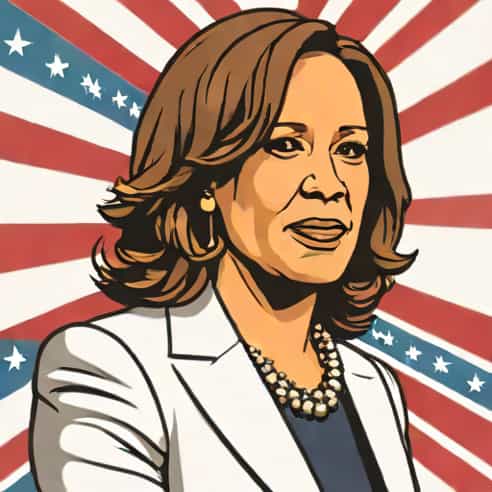
Kamala Harris has long been a figure of inspiration and discussion in American politics, not only for her achievements but also for what she represents. One seemingly simple but deeply meaningful topic surrounding her public presence is the way she says her own name-Kamala. This has become more than just a pronunciation issue; it reflects themes of identity, heritage, respect, and the broader conversation about cultural acknowledgment in public life. Understanding the importance of Kamala Harris saying her name correctly helps shed light on identity politics, cultural pride, and the significance of representation in modern society.
The Meaning Behind Kamala Harris’s Name
Kamala Harris’s first name, Kamala, is derived from Sanskrit, meaning lotus. In Indian culture, the lotus is a powerful symbol of resilience and purity, growing beautifully even in muddy waters. Her full name, Kamala Devi Harris, reflects her Indian heritage through her mother, Shyamala Gopalan, who was born in Chennai, India. Harris has often explained that her name carries deep personal and cultural meaning, serving as a connection to her roots and her mother’s influence.
When Kamala Harris emphasizes the correct pronunciation of her name, it is not simply a matter of pride-it is a reminder of the significance of names in identity formation. Saying her name as Comma-la, as some have mistakenly done, distorts its intended sound and meaning. For many immigrants and people of color, insisting on the correct pronunciation of their names is a quiet act of empowerment and self-assertion in spaces that often ask them to assimilate or compromise parts of who they are.
Why Pronunciation Matters
Names hold power. They carry family histories, cultural ties, and personal stories. When Kamala Harris says her name clearly and encourages others to do the same, she demonstrates how language can shape respect and inclusion. Mispronouncing a name-especially when corrected repeatedly-can feel dismissive or careless. In contrast, learning and saying a name correctly can signify acknowledgment, effort, and genuine respect.
For Kamala Harris, being intentional about her name means reclaiming her identity in a space that has not always been inclusive. During her vice-presidential campaign, she faced frequent mispronunciations of her name, some of which were accidental, while others appeared deliberate. By calmly and consistently correcting those mispronunciations, Harris sent a broader message about dignity and representation. Her response showed that embracing one’s cultural identity should not be seen as a political liability but rather as a source of strength and authenticity.
Public Reaction to Kamala Harris Saying Her Name
The public’s reaction to Kamala Harris saying her name has been mixed but revealing. Supporters have applauded her insistence on proper pronunciation, viewing it as a moment of cultural affirmation and pride. Many people, especially those with ethnic or non-Western names, have expressed that Harris’s approach resonates deeply with their own experiences. They see it as a reminder that no one should have to modify or simplify their name to make others comfortable.
However, critics have sometimes dismissed the discussion as trivial or politically motivated. Yet, the persistence of this conversation points to a broader truth identity is not trivial. For individuals who have faced microaggressions or felt pressured to change aspects of themselves to fit in, hearing Kamala Harris firmly say her name is empowering. It challenges a long-standing social norm where unfamiliar names are often anglicized or shortened without consent.
Representation and Cultural Identity
Kamala Harris’s rise to prominence as the first woman, first Black American, and first South Asian American vice president has made her a symbol of intersectional identity. Her name reflects her multicultural background-a blend of her Indian mother’s and Jamaican father’s legacies. When she says My name is Kamala, she’s asserting both of those heritages proudly, signaling that identity is not something to be hidden or diluted in public life.
Her openness about her name also inspires others to embrace their backgrounds more confidently. For many, especially younger generations from diverse families, hearing Harris talk about her name reinforces that cultural authenticity belongs in every professional and political space. This idea aligns with the larger social movement toward inclusion, where people are encouraged to celebrate their heritage instead of concealing it.
The Broader Conversation About Names in Society
Kamala Harris’s approach to saying her name fits into a much larger conversation about how society treats cultural and linguistic diversity. Across workplaces, schools, and media, people with non-English names often experience subtle forms of exclusion. Being misnamed or renamed can make someone feel invisible or disrespected. In contrast, learning to pronounce someone’s name correctly creates connection and empathy.
- It validates a person’s background and experiences.
- It demonstrates active listening and inclusion.
- It helps dismantle unconscious biases related to ethnicity or culture.
- It fosters a sense of belonging and equality.
When public figures like Kamala Harris take a stand on this issue, they set an example for others. It becomes a reminder that respecting names isn’t a matter of political correctness-it’s a matter of humanity.
Kamala Harris’s Cultural Legacy
Kamala Harris saying her name correctly has become part of her broader cultural and political legacy. It signals that identity can coexist with leadership, and that authenticity can be an asset in connecting with a diverse nation. Her story encourages Americans to embrace the multicultural nature of society and recognize the beauty in difference.
As the daughter of immigrants, Harris has always embodied a blend of worlds. Her decision to maintain the integrity of her name symbolizes a bridge between those worlds-a commitment to her mother’s Indian roots while serving in one of the highest offices in the United States. It’s a quiet yet powerful gesture that echoes through classrooms, boardrooms, and communities everywhere, inspiring others to stand firm in their identity.
Lessons from Kamala Harris’s Example
The discussion around Kamala Harris saying her name offers meaningful lessons for everyone. It teaches that self-respect begins with owning who you are, even in environments that may not fully understand your background. It reminds us that representation goes beyond appearance-it’s about language, culture, and self-definition. And it reinforces that every name, no matter how unfamiliar it may seem, deserves to be spoken correctly.
In a broader sense, Harris’s example highlights how small acts-like saying your name clearly-can challenge deeper social structures. It encourages people to question why some names are normalized while others are seen as difficult or foreign. It also pushes institutions to create more inclusive spaces where everyone’s identity is valued.
Kamala Harris saying her name may appear to be a simple gesture, but it carries immense cultural and political weight. It reflects a lifelong commitment to authenticity, respect, and inclusion. Through her insistence on the correct pronunciation of Kamala, she not only honors her family’s heritage but also amplifies a broader message that identity matters, and every person’s name deserves dignity.
As society becomes increasingly diverse, Harris’s approach reminds us of the importance of honoring individuality. Saying a name the right way is a small act with big meaning-it builds bridges, fosters respect, and celebrates the rich tapestry of human culture. In that sense, Kamala Harris saying her name is not just about sound-it’s about belonging, pride, and the continuing evolution of representation in public life.