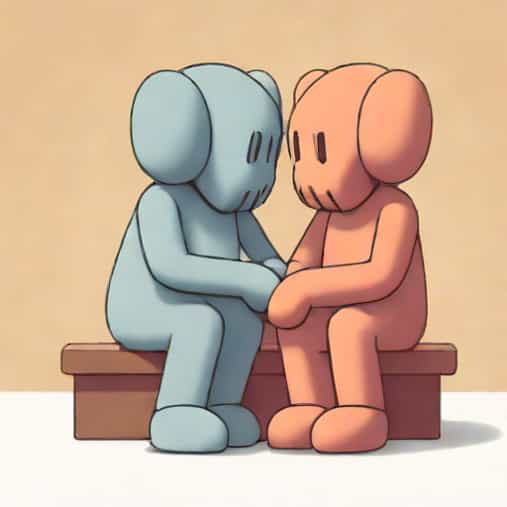
The title KAWS Companionship in the Age of Loneliness refers to a major exhibition and artwork series by contemporary American artist Brian Donnelly, known professionally as KAWS. This phrase captures both the emotional core of the work and the broader cultural moment it reflects. KAWS uses his iconic character Companion and other figures to explore deep feelings of isolation, belonging, vulnerability, and connection in the modern world. The artwork and the exhibition invite audiences to reflect on how we relate to each other in an era shaped by rapid communication, social media, and fractured human connection. Interpreting the meaning, visual language, and impact of this series helps us understand why it resonates with audiences globally.
Who Is KAWS?
KAWS, born Brian Donnelly in 1974, is an American artist whose work spans graffiti, painting, sculpture, product design, and public art. He began his artistic journey in New York City during the 1990s as a graffiti artist painting on public structures. Over time, his visual style evolved to blend elements of pop culture with his own unique characters and motifs, such as skulls with crossbones and X eyes. His pieces often reference familiar cartoon figures, reimagining them in ways that mix playfulness with introspection. KAWS consistently connects with audiences of all ages because his imagery feels both nostalgic and universal. His art is not only visually striking but also emotionally evocative, making him one of the most prominent contemporary artists of his generation.
What Is Companionship in the Age of Loneliness?
Companionship in the Age of Loneliness was the title of a retrospective exhibition of KAWS’s work held at the National Gallery of Victoria (NGV) in Melbourne from September 2019 until April 2020. The exhibition surveyed more than 25 years of his creative output and showcased paintings, sculptures, prints, graffiti documentation, and more than 100 works in total. It focused on how KAWS’s imagery engages with universal feelings of isolation, empathy, and the need for connection in contemporary life.
The Exhibition’s Themes
The exhibition was organized around several key ideas
- Public InterventionsReflecting KAWS’s early graffiti and street work.
- IconographyThe development of his visual language and signature characters.
- Order and ChaosWorks that explore tension, fragmentation, and emotion.
- CompanionshipPieces that emphasize empathy, shared experience, and support.
Through these themes, viewers could see how KAWS’s practice moves fluidly between humor and depth, engaging with both playful nostalgia and serious emotional content. This blend helps explain why his work draws huge crowds and sparks conversation among diverse audiences.
Companion and Other Characters
Central to Companionship in the Age of Loneliness and much of KAWS’s work is his character Companion, a hybrid figure that resembles familiar cartoon forms but is distinctively stylized with crossedout eyes and unique proportions. Companion appears in many poses alone, sitting, lying down, embraced by another figure, or rendered monumental in sculpture. One of the standout pieces from the exhibition was a large bronze sculpture titled GONE (2019), which features Companion in a solemn, almost Pietà like pose, evoking vulnerability and empathy. By portraying Companion in ways that reflect solitude and care, KAWS invites viewers to meditate on how we seek comfort and connection with others.
The Emotional Message Behind the Art
The phrase Companionship in the Age of Loneliness speaks directly to the emotional tension of living in a world where people can be more connected digitally but still feel isolated personally. KAWS’s art suggests that companionship – whether through friendship, family, shared experiences, or artistic engagement – remains essential for human wellbeing. The exhibition highlights how, despite the prevalence of social media and virtual interaction, many individuals experience loneliness and longing for deeper connection. KAWS’s work acts as both a mirror and a reminder, showing that emotional vulnerability and need for others are universal experiences.
How Audiences Respond
Visitors to the exhibition often responded to the works with a mix of admiration and introspection. Many people are drawn to the playful aesthetics of KAWS’s characters but discover something deeper upon closer observation. The Companion figures, though based on cartoons, often carry emotional weight – their poses, scale, and expressionless faces can evoke feelings that resonate with personal experiences of loneliness or longing for support. This emotional accessibility is a big part of why the exhibition attracted such wide public interest, reaching beyond traditional art audiences.
Companionship in the Art Market
Beyond the exhibition context, individual works associated with Companionship in the Age of Loneliness have entered the art market and achieved notable prices at auction. Limited edition prints created for the exhibition have been sold at international auctions, sometimes exceeding their estimated values. These prints feature Companion in contemplative poses and carry signatures, dates, and numbering that make them valuable to collectors. For example, a signed screen print from the series sold for several thousand pounds at auction, demonstrating strong demand among contemporary art collectors. Market values can fluctuate, and prices depend on rarity, condition, and provenance, but works tied to this theme often maintain interest in resale markets.
Print Edition Pricing
Prices for signed prints from the Companionship in the Age of Loneliness series can vary widely depending on edition size and market conditions. Some prints from this edition have been listed with value indicators in the midthousands of dollars, reflecting both the popularity of KAWS and the limited nature of the prints. These pieces are often sought after by collectors not just because of their aesthetic appeal but because they represent a key thematic moment in KAWS’s career.
Role of Sculptures and Public Works
While prints are common in private collections, larger sculptures like the monumental bronze GONE are typically displayed in public or institutional settings due to their size and scale. These sculptures often become landmarks in museum spaces, creating memorable experiences for viewers and reinforcing the emotional themes of companionship and shared experience. The presence of such iconic works in major exhibitions has helped solidify KAWS’s reputation both within the contemporary art world and in broader cultural conversations.
Legacy and Cultural Impact
Companionship in the Age of Loneliness stands as a significant chapter in KAWS’s artistic journey, not only because of its scale and scope but because of how it communicates with audiences around the world. The exhibition and associated works explore timeless themes – isolation, empathy, care, and connection – in ways that feel particularly relevant to today’s cultural climate. KAWS’s blend of popculture imagery with deeper emotional content helps bridge gaps between commercial art, contemporary fine art, and public engagement.
Why It Matters Today
In a world where many people feel fragmented by digital communication and fastpaced lifestyles, the message embedded in Companionship in the Age of Loneliness resonates as a reminder of our shared need for connection. Whether experienced in a gallery, as part of a print collection, or through discussions online, KAWS’s work continues to spark reflection on how we relate to one another, how we express vulnerability, and how art can foster empathy and understanding.
KAWS Companionship in the Age of Loneliness is both a physical exhibition and an emotional statement embodied in art. It brings together decades of KAWS’s work to explore how companionship, empathy, and connection matter in a cultural moment defined by digital interaction and feelings of isolation. Through sculptures, prints, and mixed media works, KAWS captures universal emotions in a visual language that speaks to diverse audiences. Whether in museums or private collections, pieces associated with this theme continue to inspire appreciation and introspection, making this body of work a defining moment in the artist’s career and a meaningful reflection on contemporary life.