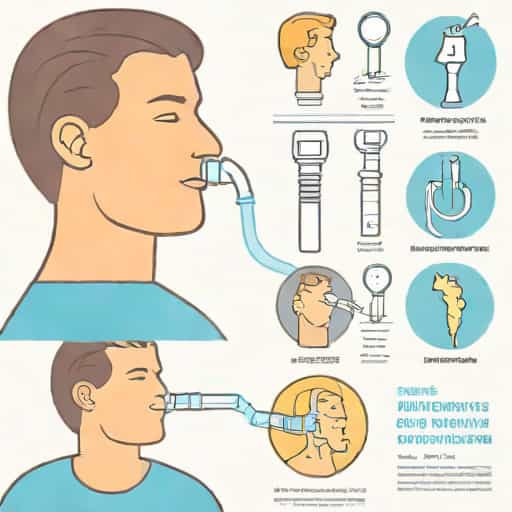
Nasogastric (NG) tube feeding is a vital medical intervention for adults who are unable to take adequate nutrition orally. This method ensures that patients receive essential nutrients directly into their stomachs, which can be crucial for maintaining health, supporting recovery, and preventing malnutrition. Proper guidelines for NG tube feeding are essential to minimize risks, avoid complications, and ensure that patients receive the appropriate type and amount of nutrition. Healthcare providers, caregivers, and even patients themselves need clear, practical instructions on the correct procedures, monitoring, and safety measures involved in NG tube feeding for adults.
Understanding Nasogastric Tube Feeding
A nasogastric tube is a flexible tube inserted through the nose, passing down the esophagus, and ending in the stomach. This tube allows for the administration of liquid nutrition, medications, and fluids directly into the stomach for patients who cannot swallow or eat normally. NG tube feeding is commonly used in hospitals, long-term care facilities, and home care settings under medical supervision.
Indications for NG Tube Feeding
Not all patients require NG tube feeding. It is typically indicated in adults who have conditions that impair oral intake, such as
- Neurological disorders causing difficulty swallowing (e.g., stroke, Parkinson’s disease)
- Severe trauma or surgery affecting the head, neck, or digestive system
- Critical illness requiring nutritional support in intensive care
- Severe anorexia or malnutrition where oral intake is insufficient
- Gastrointestinal obstruction or conditions limiting normal digestion temporarily
Identifying the appropriate candidates for NG tube feeding is crucial to ensure that the intervention provides benefit without unnecessary risk.
Preparation Before NG Tube Feeding
Preparation is key to successful and safe NG tube feeding. Healthcare providers must follow several steps before administering feeds.
Confirm Tube Placement
Before feeding, the NG tube must be correctly positioned in the stomach. Common methods include
- Aspiration of gastric contents and testing pH (should be 1 5)
- Radiographic confirmation in uncertain or high-risk cases
- Marking the tube at the nostril to prevent accidental displacement
Never start feeding without confirming placement, as incorrect positioning can lead to serious complications, including aspiration pneumonia.
Check Patient Readiness
Patients should be in a safe position for feeding, usually with the head elevated at 30 45 degrees. This reduces the risk of aspiration. Additionally, the healthcare provider should assess for any contraindications such as nasal trauma, severe facial injuries, or active gastrointestinal bleeding.
Prepare Feeding Formula and Equipment
Select the prescribed formula, ensuring it meets the patient’s caloric and fluid needs. Equipment should include
- Feeding syringe or pump
- Clean gloves
- pH testing strips or aspiration devices
- Appropriate measuring containers for formula
All equipment must be clean and sterile to reduce infection risk.
Administering NG Tube Feeding
There are two primary methods of NG tube feeding bolus feeding and continuous feeding. Each method has specific indications and guidelines.
Bolus Feeding
Bolus feeding involves delivering a specific volume of formula over a short period using a syringe or gravity drip. Guidelines include
- Administer the feed slowly to prevent nausea, vomiting, or abdominal discomfort
- Flush the tube with 30 50 ml of water before and after feeding to maintain tube patency
- Monitor the patient for signs of intolerance, including bloating, cramping, or aspiration
Continuous Feeding
Continuous feeding uses a pump to provide a constant flow of nutrition over several hours. Guidelines include
- Set the pump according to the prescribed rate
- Monitor residual gastric volume regularly, as advised by clinical protocol
- Flush the tube periodically to prevent blockage
- Observe the patient for signs of discomfort or digestive intolerance
Monitoring and Safety Considerations
Monitoring patients during NG tube feeding is essential to prevent complications and ensure nutritional goals are met.
Check Tube Position Regularly
Even after initial placement confirmation, the tube should be checked frequently, especially if the patient moves or coughs vigorously. Misplacement can occur, leading to aspiration or ineffective feeding.
Monitor Gastric Residual Volumes
Gastric residual volume monitoring helps assess tolerance to the feed. High residuals may indicate delayed gastric emptying and the need to adjust feeding rates or formula.
Observe for Complications
Common complications include
- Aspiration pneumonia
- Nasal or throat irritation
- Tube blockage
- Diarrhea or constipation
- Electrolyte imbalance if feeding formula is inappropriate
Prompt recognition and management of these issues are critical for patient safety.
Maintaining Hygiene and Tube Patency
Proper care of the NG tube helps prevent infection and ensures effective feeding.
Tube Flushing
Flush the tube with water before and after feeding or medication administration. This prevents clogging and ensures that the patient receives the full nutritional dose.
Oral and Nasal Care
Regular oral and nasal hygiene reduces infection risk. Clean the nostrils and mouth, and check the skin around the tube for irritation or breakdown.
Equipment Cleaning
Syringes, feeding sets, and other equipment should be cleaned or replaced according to institutional guidelines to maintain sterility.
Transitioning Off NG Tube Feeding
NG tube feeding is often temporary, and guidelines for transitioning back to oral feeding are important.
Assess Swallowing Ability
A swallowing assessment by a qualified clinician ensures the patient can safely resume oral intake. Gradual introduction of liquids and soft foods is usually recommended.
Weaning Process
The patient’s oral intake is increased gradually while NG feeding is reduced. Close monitoring ensures nutritional needs are still met and prevents complications.
Nasogastric tube feeding for adults is a critical intervention for those unable to meet nutritional needs orally. Following proper guidelines ensures safety, effectiveness, and patient comfort. Key steps include confirming tube placement, preparing equipment, choosing the correct feeding method, monitoring patient tolerance, and maintaining hygiene. Bolus and continuous feeding each have distinct protocols, and transitioning back to oral feeding requires careful assessment. By adhering to these guidelines, healthcare providers can optimize nutritional support while minimizing risks, helping patients maintain health and recover more effectively.