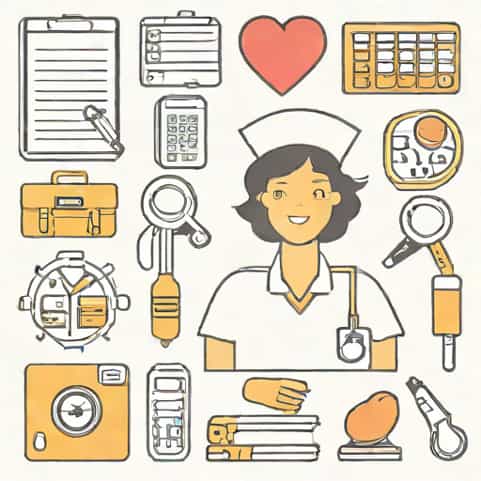
Nursing is widely recognized as one of the most essential and respected professions in the healthcare sector. It combines scientific knowledge, technical skills, and compassionate care to ensure the well-being of patients across various settings. Nursing professionals play a critical role not only in treating illnesses but also in promoting health, preventing diseases, and supporting patients’ emotional and psychological needs. The field of nursing is diverse, encompassing a wide range of specializations, responsibilities, and career paths. Understanding nursing as a profession, including its principles, duties, challenges, and rewards, is crucial for aspiring nurses, healthcare students, and anyone interested in the healthcare system.
Definition and Scope of Nursing
Nursing can be defined as the practice of providing care to individuals, families, and communities to maintain or recover optimal health. It involves a combination of physical care, emotional support, patient education, and advocacy. Nurses work in collaboration with other healthcare professionals, including doctors, therapists, and social workers, to provide holistic care that addresses the physical, mental, and social needs of patients. The scope of nursing is vast, covering areas such as general care, specialized fields, community health, research, and education.
Key Roles and Responsibilities
Nurses have a diverse set of responsibilities, which vary depending on their work setting and specialization. Some of the primary roles include
- Patient CareProviding direct care to patients, including administering medications, monitoring vital signs, assisting with daily activities, and managing medical equipment.
- Health EducationEducating patients and their families about managing chronic conditions, healthy lifestyle choices, disease prevention, and post-treatment care.
- AdvocacyActing as a voice for patients to ensure they receive the care they need and that their rights are respected.
- CollaborationWorking closely with multidisciplinary teams to develop treatment plans and ensure comprehensive care for patients.
- DocumentationKeeping accurate medical records to track patient progress and support continuity of care.
Specializations in Nursing
Nursing offers numerous specializations, allowing professionals to focus on particular areas of care. Some common nursing specializations include
- Registered Nurse (RN)Provides general patient care, performs diagnostic tests, and assists in treatment planning.
- Critical Care NurseWorks in intensive care units (ICUs) and emergency departments, caring for critically ill patients.
- Pediatric NurseFocuses on healthcare for infants, children, and adolescents.
- Community Health NurseWorks in public health settings to promote wellness, prevent disease, and educate communities.
- Nurse EducatorTeaches nursing students and provides continuing education for healthcare staff.
- Nurse ResearcherConducts studies to improve healthcare practices and patient outcomes.
Qualities and Skills Required for Nursing
Nursing requires a unique blend of technical skills, emotional intelligence, and personal qualities. Some of the key skills include
- Compassion and EmpathyUnderstanding and responding to patients’ emotional and physical needs.
- Critical ThinkingMaking informed decisions quickly, especially in emergencies.
- Communication SkillsEffectively communicating with patients, families, and healthcare teams.
- Attention to DetailMonitoring patient conditions accurately and administering treatments safely.
- Time ManagementPrioritizing tasks and managing multiple patients or responsibilities simultaneously.
- Physical StaminaHandling long shifts and performing physically demanding tasks.
Educational Pathways
Becoming a professional nurse involves completing formal education and obtaining licensure. Educational pathways include
- Diploma in NursingUsually offered by hospitals and provides basic clinical training.
- Associate Degree in Nursing (ADN)A two-year program focusing on practical nursing skills and patient care.
- Bachelor of Science in Nursing (BSN)A four-year degree that covers both theoretical and practical aspects of nursing.
- Advanced DegreesMaster’s and Doctorate programs allow nurses to specialize in advanced practice, leadership, research, and education.
Challenges in Nursing Profession
While nursing is highly rewarding, it comes with its own set of challenges. Some of the common difficulties include
- High stress due to emergency situations and long working hours.
- Physical and emotional demands from caring for critically ill patients.
- Risk of exposure to infectious diseases.
- Maintaining work-life balance in demanding healthcare settings.
- Keeping up with continuous medical advancements and new technologies.
Rewards and Benefits of Nursing
Despite the challenges, nursing offers numerous rewards and benefits, both personal and professional. Some of these include
- Job stability and high demand in hospitals, clinics, and community health settings.
- Opportunities for career growth and specialization.
- Personal satisfaction from making a positive impact on patients’ lives.
- Ability to work in diverse environments, including hospitals, schools, research labs, and public health organizations.
- Continuous learning and professional development opportunities.
Ethics and Professionalism in Nursing
Nurses are expected to adhere to a strict code of ethics, which includes maintaining patient confidentiality, practicing honesty and integrity, and advocating for patients’ rights. Professionalism is crucial, as nurses often serve as the link between patients and the healthcare system. They must demonstrate responsibility, accountability, and a commitment to lifelong learning to provide the highest standard of care.
Nursing as a profession is both challenging and fulfilling, requiring a combination of knowledge, technical skills, empathy, and dedication. Nurses play a critical role in the healthcare system by providing care, education, advocacy, and support to patients and communities. With a variety of specializations, educational pathways, and career opportunities, nursing offers a rewarding career for those passionate about helping others. Understanding the responsibilities, challenges, and rewards of the profession is essential for aspiring nurses and anyone interested in the healthcare field. The profession of nursing continues to evolve, reflecting the dynamic nature of healthcare and the ongoing need for compassionate, skilled professionals.
This HTML topic is comprehensive, SEO-friendly, and written in an accessible style suitable for students, healthcare enthusiasts, or professionals looking for detailed notes on nursing as a profession.