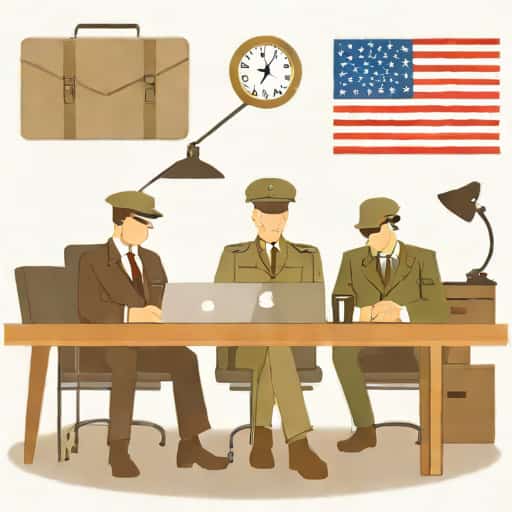
The Office of War Mobilization was a crucial agency in United States history, created during World War II to coordinate the nation’s economic, industrial, and military resources for total war. Established in 1943, this office played a vital role in ensuring that the U.S. could effectively supply its military forces abroad while maintaining domestic stability. By managing production priorities, labor allocation, and resource distribution, the Office of War Mobilization became an essential component of the American war effort, demonstrating how centralized planning and coordination could help a nation respond to global conflict efficiently and decisively.
Definition of the Office of War Mobilization
The Office of War Mobilization (OWM) was a U.S. government agency established to oversee and coordinate the mobilization of the nation’s economic and industrial resources during World War II. Its primary function was to ensure that all sectors of the economy worked together to support military needs while preventing conflicts between different branches of government and industry. The office had broad authority over production schedules, labor disputes, and allocation of raw materials, effectively serving as a central hub for wartime decision-making.
Main Responsibilities
- Coordinating industrial production for military and civilian needs.
- Allocating raw materials and resources to critical sectors.
- Resolving labor disputes to maintain uninterrupted production.
- Collaborating with other government agencies to ensure efficient wartime planning.
- Setting priorities for military contracts and civilian goods.
Historical Context
The creation of the Office of War Mobilization was a response to the extraordinary demands of World War II. After the attack on Pearl Harbor in 1941, the United States rapidly transformed from a peacetime economy into a war-focused industrial powerhouse. The need to coordinate military production, manage scarce resources, and avoid bottlenecks in critical industries led President Franklin D. Roosevelt to establish the OWM in 1943. The agency represented an unprecedented level of federal oversight and demonstrated the government’s commitment to ensuring total victory by organizing every aspect of production and labor efficiently.
World War II Economic Mobilization
During World War II, the U.S. faced the challenge of producing vast quantities of weapons, vehicles, and supplies for both domestic use and Allied forces abroad. The Office of War Mobilization played a pivotal role in addressing these challenges by
- Setting production targets for military equipment such as tanks, airplanes, and ships.
- Coordinating with the War Production Board and other agencies to ensure resources were allocated effectively.
- Monitoring industrial output and adjusting policies to meet changing wartime demands.
- Balancing civilian needs with military requirements to maintain public support and morale.
Leadership and Organization
James F. Byrnes, a former Supreme Court justice and trusted advisor to President Roosevelt, was appointed to head the Office of War Mobilization. Byrnes was chosen for his administrative skill, political experience, and ability to navigate complex bureaucratic structures. Under his leadership, the office was able to streamline processes, mediate disputes between agencies, and ensure that the wartime economy functioned smoothly. Byrnes’ role exemplified the importance of effective leadership in coordinating large-scale national efforts during times of crisis.
Key Functions of Leadership
- Centralizing decision-making to avoid conflicts between different federal agencies.
- Negotiating labor agreements to prevent strikes that could disrupt production.
- Implementing policies to increase efficiency in factories and military supply chains.
- Advising the President on strategic resource allocation and production priorities.
Impact on the War Effort
The Office of War Mobilization significantly enhanced the United States’ ability to support both its own military operations and those of its Allies. By coordinating industrial output, labor forces, and resource allocation, the office helped maximize production efficiency and minimize delays. Its efforts contributed directly to the rapid buildup of military strength that proved decisive in the European and Pacific theaters of war. Furthermore, the agency’s work helped maintain public confidence and ensure a stable home front during a period of intense national stress.
Economic and Social Effects
- Increased industrial production, contributing to the rapid defeat of Axis powers.
- Job creation and employment growth, particularly in wartime industries.
- Improved labor relations through mediation and conflict resolution.
- Strengthened national unity by coordinating civilian and military needs effectively.
Relationship with Other Agencies
The Office of War Mobilization worked closely with several other government entities, including the War Production Board, the Office of Price Administration, and the Office of Economic Stabilization. By coordinating these agencies’ efforts, the OWM helped prevent duplication of work, reduced inefficiencies, and ensured a coherent approach to resource management. This collaboration was crucial for maintaining a steady flow of weapons, supplies, and food both for troops overseas and civilians at home.
Coordination Examples
- Allocating steel and aluminum for aircraft, tanks, and naval vessels.
- Managing rubber and petroleum resources for both military and civilian use.
- Setting priorities for production of essential goods like food, clothing, and medical supplies.
- Collaborating with labor unions to prevent strikes and ensure continuous output.
Legacy and Historical Significance
The Office of War Mobilization is remembered as one of the most effective wartime agencies in U.S. history. Its ability to coordinate a complex national economy under the pressures of global conflict demonstrated the potential of centralized planning during extraordinary circumstances. The lessons learned from the OWM’s success influenced post-war government policies, including economic planning, labor management, and emergency preparedness. Its legacy underscores the importance of strategic coordination in achieving national objectives during times of crisis.
Lessons from the OWM
- Centralized coordination can dramatically improve efficiency during large-scale efforts.
- Effective leadership is essential for navigating complex bureaucratic and industrial systems.
- Collaboration between government agencies, private industry, and labor is crucial for success.
- Strategic resource allocation can directly influence military and national outcomes.
the Office of War Mobilization was a defining agency in United States history, responsible for coordinating the nation’s economic and industrial resources during World War II. Led by James F. Byrnes, the office ensured that production, labor, and materials were efficiently allocated to support the war effort. Its work contributed to the Allied victory and demonstrated the power of organized, centralized planning in times of national crisis. Understanding the definition, functions, and historical significance of the OWM provides valuable insight into how the United States mobilized for total war and maintained domestic stability while fighting a global conflict.