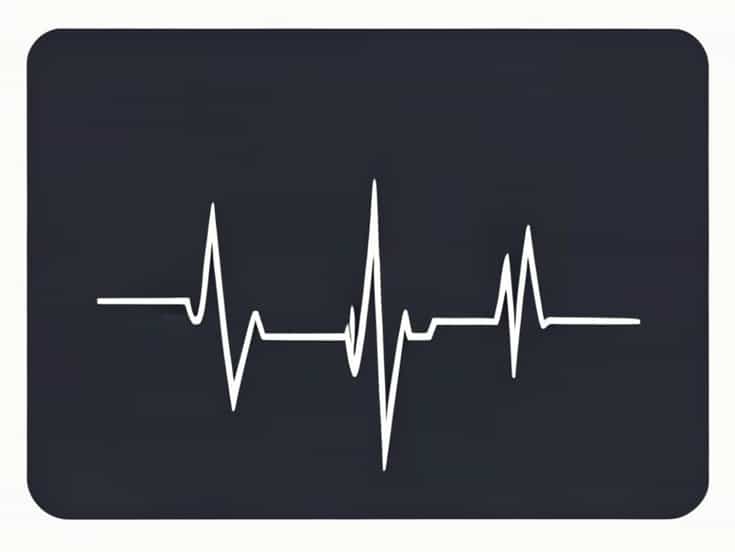
Understanding how the heart works can feel complicated at first, especially when electrical activity and muscle movement are discussed together. An electrocardiogram, or ECG, is a tool that helps visualize the electrical signals that control the heartbeat. Many students and general readers encounter the question of when atrial systole begins during an ECG because it connects electrical signals to physical heart action. By breaking this concept into simple steps and clear explanations, it becomes much easier to understand how atrial contraction fits into the cardiac cycle.
Basic Overview of the Cardiac Cycle
The cardiac cycle is the sequence of events that occurs during one heartbeat. It includes periods when the heart chambers contract and relax to move blood through the body. There are two main phases systole, when a chamber contracts, and diastole, when it relaxes.
The heart has four chambers two atria on the top and two ventricles on the bottom. Atrial systole refers specifically to the contraction of the atria, which helps push blood into the ventricles before the ventricles contract.
What an ECG Represents
An ECG records the electrical activity of the heart, not the physical contraction itself. Electrical signals trigger muscle contraction, so the ECG provides indirect information about when different parts of the heart are preparing to contract.
The ECG tracing is made up of waves and intervals that correspond to specific electrical events. Understanding these waves is essential to answering the question of when atrial systole begins during the ECG.
Main Components of an ECG
A standard ECG tracing includes the following key parts
- P wave
- PR interval
- QRS complex
- T wave
Each of these components represents a different phase of electrical activity within the heart.
The Role of the P Wave
The P wave represents atrial depolarization. Depolarization is the electrical event that causes cardiac muscle cells to prepare for contraction. When the atrial muscle cells depolarize, they will soon contract.
This is the critical point for understanding atrial systole on an ECG. The mechanical contraction of the atria follows shortly after atrial depolarization begins.
On an ECG, Atrial Systole Begins During the P Wave
On an ECG, atrial systole begins during the P wave. This is because the P wave reflects the electrical activation of the atria, which directly leads to atrial contraction. While the ECG shows electrical activity, the physical contraction starts almost immediately after depolarization begins.
In practical terms, atrial systole overlaps with the latter part of the P wave and continues into the PR interval. This timing ensures that the atria push blood into the ventricles before ventricular contraction starts.
Why Atrial Systole Timing Matters
The timing of atrial systole is important for efficient heart function. Atrial contraction contributes to ventricular filling, often referred to as the atrial kick. This extra push of blood can significantly increase the volume of blood in the ventricles, especially during physical activity or in older adults.
If atrial systole is poorly timed or absent, ventricular filling may be reduced, which can affect overall cardiac output.
The PR Interval and Atrial Contraction
The PR interval extends from the beginning of the P wave to the start of the QRS complex. This interval represents the time it takes for the electrical signal to travel from the atria through the atrioventricular node to the ventricles.
During this interval, atrial systole is occurring. The delay allows the atria to finish contracting and empty blood into the ventricles before ventricular systole begins.
Relationship Between Electrical and Mechanical Events
It is important to remember that electrical events always come before mechanical events in the heart. The ECG shows when electrical signals occur, while systole refers to muscle contraction.
Because of this relationship, atrial systole does not start exactly at the peak of the P wave but begins shortly after the electrical signal starts. However, for learning and testing purposes, it is correct to say that atrial systole begins during the P wave on an ECG.
Common Misunderstandings
Many people confuse atrial systole with ventricular systole when first learning ECG interpretation. This confusion often comes from focusing too much on the large QRS complex and overlooking the importance of the smaller P wave.
Another common misunderstanding is assuming that contraction and electrical activity happen at the same instant. In reality, there is always a brief delay between depolarization and muscle contraction.
Clinical Importance of Atrial Systole
Atrial systole plays a crucial role in certain clinical conditions. For example, in atrial fibrillation, the atria do not contract effectively. On the ECG, normal P waves are absent, and atrial systole is essentially lost.
This loss can reduce cardiac efficiency and increase the risk of complications such as blood clots and stroke. Understanding when atrial systole normally begins helps clinicians recognize abnormal rhythms.
Atrial Systole in Different Heart Rates
At higher heart rates, such as during exercise, the timing of atrial systole becomes even more important. The heart has less time to fill between beats, so the atrial kick contributes more significantly to ventricular filling.
Even as heart rate changes, atrial systole still begins during the P wave, although the duration of each phase of the cardiac cycle becomes shorter.
How This Concept Is Tested in Education
In anatomy, physiology, and nursing courses, students are often asked questions like on an ECG atrial systole begins during the to test their understanding of cardiac physiology. The expected answer is the P wave.
Recognizing this connection shows an understanding of how electrical signals translate into mechanical heart function.
Putting It All Together
When reading an ECG, start by identifying the P wave. This wave signals atrial depolarization, which leads to atrial contraction. From that point, atrial systole begins and continues as blood moves into the ventricles.
The process is carefully timed so that ventricular systole does not begin until atrial systole is nearly complete.
On an ECG, atrial systole begins during the P wave because this wave represents atrial depolarization, the electrical trigger for atrial contraction. Although the ECG records electrical activity rather than muscle movement, understanding the relationship between the two makes cardiac physiology much clearer. By recognizing the role of the P wave and the timing of atrial contraction, readers can better interpret ECGs and appreciate how precisely the heart coordinates each beat.