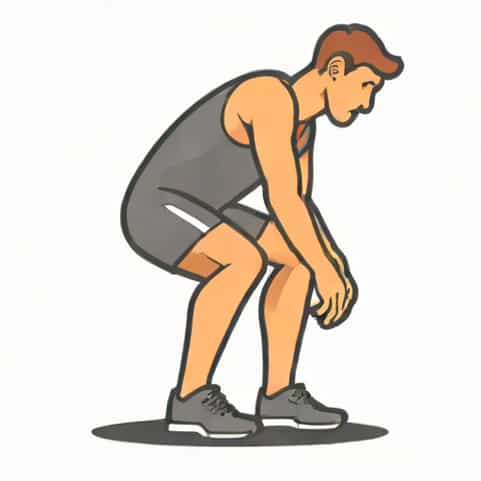
Experiencing knee pain during squats is a common issue for many people, whether they are athletes, gym enthusiasts, or individuals performing everyday activities. One knee hurting when squatting can be alarming, especially if it limits mobility or affects daily routines. Knee pain can stem from various causes, including overuse, improper form, muscle imbalances, or underlying joint conditions. Understanding why a single knee hurts during squatting is essential to prevent further injury, improve movement efficiency, and ensure safe exercise practices. Addressing this pain early can promote recovery and long-term knee health.
Common Causes of One Knee Hurting When Squatting
There are several potential reasons why one knee may hurt during squats. Identifying the root cause can help determine the most effective treatment or preventive measure.
Improper Squat Form
One of the most frequent causes of knee pain is incorrect squat technique. When the knee tracks inward or outward excessively, or if weight is distributed unevenly, it can place extra stress on one knee. Common mistakes include
- Knees caving inward (valgus collapse)
- Heels lifting off the ground
- Leaning too far forward
- Uneven weight distribution between legs
These errors increase strain on ligaments, tendons, and cartilage, often causing discomfort in one knee over the other.
Muscle Imbalances
Muscle imbalances around the hip, thigh, and calf can contribute to knee pain. Weak quadriceps, glutes, or hamstrings may force the knee to compensate during movement. Over time, this can result in localized pain on the more stressed side. Strengthening weak muscles and stretching tight ones can help restore balance and reduce strain on the knee.
Overuse Injuries
Overuse is another common reason for one knee hurting during squats. Repeated stress on the knee joint, especially without adequate rest, can lead to inflammation, tendonitis, or irritation of the joint lining. Activities like heavy squats, lunges, or frequent stair climbing may aggravate the knee, particularly if performed with poor technique or insufficient recovery.
Patellofemoral Pain Syndrome
Patellofemoral pain syndrome (PFPS), often referred to as runner’s knee, occurs when the cartilage under the kneecap is irritated. This condition frequently causes pain when bending the knee during squats, climbing stairs, or sitting for extended periods. PFPS is commonly caused by muscle imbalances, improper alignment, or repetitive stress and is often unilateral, affecting only one knee.
Meniscus Injuries
The meniscus is a cartilage structure that cushions the knee joint. Tears or degeneration in the meniscus can lead to localized pain during squatting. Individuals with meniscus injuries often experience swelling, stiffness, or a catching sensation in the knee. Pain may worsen with deep squats or twisting movements.
Ligament Strains
Injuries to the ligaments, such as the anterior cruciate ligament (ACL) or medial collateral ligament (MCL), can cause pain during squatting. Even mild sprains can make one knee more vulnerable to discomfort, particularly when pressure is applied unevenly during exercises.
Preventing Knee Pain While Squatting
Proper precautions can significantly reduce the likelihood of one knee hurting when squatting. Key strategies include
Focus on Technique
Ensuring correct squat form is critical. Tips for proper technique include
- Keeping knees aligned with toes
- Distributing weight evenly across both feet
- Engaging core muscles for stability
- Maintaining a straight back without excessive forward lean
Strengthen Supporting Muscles
Strengthening muscles around the knee, hip, and core can prevent excessive strain on the joint. Exercises like lunges, glute bridges, leg presses, and hamstring curls can improve stability and balance, reducing unilateral stress on the knees.
Stretch and Improve Flexibility
Stretching tight muscles, such as calves, hamstrings, and quadriceps, can improve knee tracking during squats. Flexibility in the hips and ankles also contributes to proper movement patterns, decreasing the risk of pain in one knee.
Use Proper Footwear
Wearing supportive and stable shoes is essential. Footwear that provides adequate arch support and cushioning helps maintain proper alignment and reduces the likelihood of overloading one knee.
Adjust Training Load
Avoid overtraining or excessive squat volume. Gradually increasing weight, repetitions, and frequency allows the knees to adapt. Adequate rest and recovery are crucial to prevent overuse injuries and maintain joint health.
Treatment Options for Knee Pain
If one knee hurts when squatting despite preventive measures, treatment may be necessary. Common approaches include
Rest and Ice
Resting the affected knee and applying ice can reduce inflammation and relieve pain. Limiting activities that exacerbate discomfort allows tissues to recover.
Physical Therapy
Physical therapy can provide targeted exercises to strengthen weak muscles, improve flexibility, and correct movement patterns. A therapist may also use modalities like ultrasound or electrical stimulation to promote healing.
Anti-inflammatory Medications
Over-the-counter medications, such as ibuprofen, may help alleviate pain and reduce inflammation. These should be used under guidance and not as a long-term solution.
Medical Evaluation
If pain persists or worsens, consulting a healthcare professional is recommended. Imaging studies like X-rays or MRI can identify structural damage, such as meniscus tears or ligament injuries, and guide appropriate treatment, including possible surgical intervention.
One knee hurting when squatting is a common issue that can result from improper form, muscle imbalances, overuse, or underlying joint conditions. Understanding the causes, practicing correct technique, strengthening supporting muscles, and allowing adequate recovery can help prevent and manage knee pain. Addressing discomfort early, seeking physical therapy, and consulting healthcare professionals when necessary are important steps to ensure safe squatting, protect knee health, and maintain overall mobility. By taking a proactive approach, individuals can continue exercising effectively while minimizing the risk of chronic pain or injury.