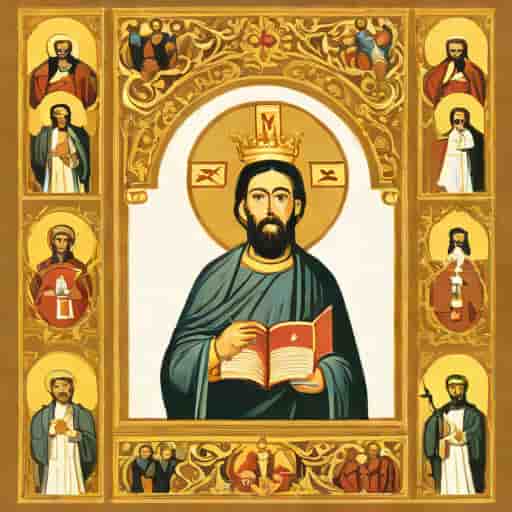
Orthodox dogmatic theology represents a structured and systematic approach to understanding the doctrines and teachings of the Christian Orthodox Church. It is a field of study that seeks to explain, defend, and interpret the core beliefs of Orthodoxy, grounded in Scripture, the teachings of the Church Fathers, and ecumenical councils. A concise exposition of Orthodox dogmatic theology provides clarity on essential doctrines such as the nature of God, Christology, the Holy Spirit, the Church, and salvation, helping both scholars and laypeople appreciate the depth and coherence of Orthodox faith. This branch of theology emphasizes continuity with the apostolic tradition while engaging with contemporary questions and challenges.
Definition and Scope of Orthodox Dogmatic Theology
Orthodox dogmatic theology is the formal study and articulation of the authoritative doctrines of the Orthodox Christian faith. Unlike apologetics, which defends the faith, or moral theology, which addresses ethical behavior, dogmatic theology focuses on the core truths revealed by God and preserved in the Orthodox Church. It is both descriptive, in explaining what the Church teaches, and prescriptive, in guiding believers toward correct understanding and belief.
Main Areas of Study
- ProlegomenaIntroduction to theology, including sources, methods, and principles of Orthodox dogmatics.
- Theology ProperStudy of God the Father, including attributes, essence, and energies.
- ChristologyExamination of the person and work of Jesus Christ, fully God and fully man.
- PneumatologyStudy of the Holy Spirit, His role in the Church, and the believer’s life.
- EcclesiologyTheology of the Church, sacraments, and apostolic succession.
- SoteriologyDoctrine of salvation, grace, and theosis (deification).
- EschatologyTeaching about the last things, resurrection, judgment, and eternal life.
Foundations of Orthodox Dogmatic Theology
The foundation of Orthodox dogmatic theology rests on three pillars Holy Scripture, Holy Tradition, and the consensus of the Church Fathers. Scripture is interpreted within the context of the Church’s living tradition, which includes liturgy, patristic writings, and ecumenical councils. This ensures that theology remains faithful to the apostolic teaching while addressing contemporary questions.
Scripture
Orthodox dogmatic theology considers the Bible as divinely inspired and the ultimate source of truth. Both the Old and New Testaments are studied in light of the Church’s liturgical life and the interpretations of the Fathers, emphasizing a holistic and spiritual reading rather than a purely historical or literal approach.
Holy Tradition
Tradition includes the liturgy, teachings of the Church Fathers, canonical texts, and practices that have been preserved over centuries. Orthodox theology relies on this living tradition to interpret Scripture accurately and to maintain doctrinal continuity across generations.
The Church Fathers
The writings of the Fathers, such as St. Athanasius, St. Gregory of Nyssa, St. John Chrysostom, and others, provide insights into doctrinal formulation and spiritual understanding. Their consensus, known as the patristic consensus, serves as a guide for authentic theological reflection in the Orthodox Church.
Key Doctrines in Orthodox Dogmatic Theology
Orthodox dogmatic theology addresses core doctrines that define the faith. Each of these doctrines is explored systematically to present a coherent and unified vision of Christian belief.
The Nature of God
Orthodox theology teaches that God is one essence in three persons Father, Son, and Holy Spirit. The Father is unbegotten, the Son is begotten of the Father, and the Holy Spirit proceeds from the Father. The concept of divine energies allows believers to experience God without comprehending His essence fully, maintaining a balance between transcendence and immanence.
Christology
The study of Christ’s person is central to Orthodox dogmatic theology. Jesus Christ is fully God and fully man, united in one hypostasis without confusion or separation. The Incarnation, Passion, Resurrection, and Ascension are examined to understand how salvation is accomplished through His life, death, and resurrection.
Pneumatology
The Holy Spirit is the third person of the Trinity, actively working in creation, inspiration of Scripture, and the life of the Church. Orthodox theology emphasizes the Spirit’s role in sanctification, guidance of the faithful, and the sacramental life, including baptism and chrismation.
Ecclesiology and Sacraments
The Church is the living Body of Christ, where believers participate in salvation. Orthodox dogmatic theology explores the nature of the Church, the importance of apostolic succession, and the role of sacraments (or mysteries) such as baptism, Eucharist, and confession. The sacraments are seen as tangible means of grace that connect the faithful with divine life.
Soteriology and Theosis
Salvation in Orthodox theology is understood as theosis, or deification, where humans are transformed by divine grace and partake in the life of God. This process is initiated through baptism, nurtured by the sacraments, prayer, and ethical living. Dogmatic theology explains how Christ’s incarnation, death, and resurrection make theosis possible for humanity.
Eschatology
Orthodox dogmatic theology addresses the ultimate destiny of humanity, including the resurrection of the dead, final judgment, heaven, and hell. Eschatology emphasizes hope and moral responsibility, encouraging believers to live in accordance with divine will while anticipating eternal communion with God.
Methodology in Orthodox Dogmatic Theology
The study of Orthodox dogmatic theology involves a careful balance of intellectual rigor, spiritual discernment, and pastoral sensitivity. Scholars engage in historical analysis, systematic exposition, and patristic interpretation, always ensuring that theology serves the spiritual life of the faithful.
Systematic Approach
Dogmatic theology is presented systematically, organizing doctrines into interconnected sections such as theology proper, Christology, pneumatology, and soteriology. This approach allows students and believers to understand the logical relationships between doctrines and their practical implications.
Pastoral Relevance
Orthodox dogmatic theology is not purely academic; it has practical implications for the life of the Church. Teaching, preaching, sacramental practice, and pastoral counseling are informed by theological principles. By understanding doctrine, clergy and laypeople can guide the faithful more effectively in spiritual growth and ethical living.
Orthodox dogmatic theology provides a concise exposition of the essential beliefs of the Orthodox Christian faith, grounded in Scripture, tradition, and the consensus of the Church Fathers. By examining the nature of God, Christology, pneumatology, ecclesiology, soteriology, and eschatology, this field of theology offers a coherent framework for understanding and living the Orthodox faith. Through systematic study and pastoral application, dogmatic theology ensures continuity of belief, fosters spiritual growth, and equips believers to engage thoughtfully with contemporary challenges while remaining faithful to the apostolic tradition. For anyone seeking to understand the depth and beauty of Orthodox Christianity, a clear and concise exposition of dogmatic theology is an invaluable resource.