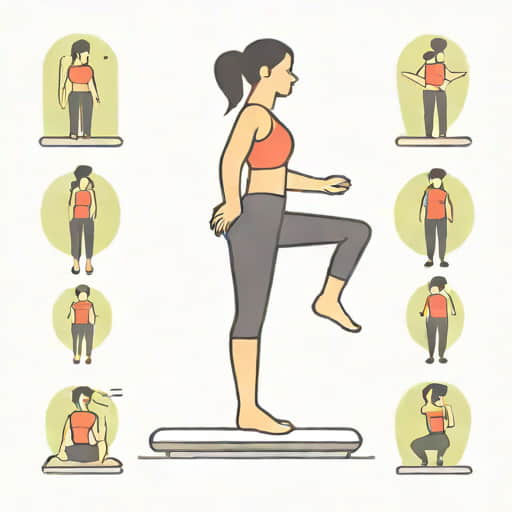
The pelvic floor plays a crucial role in supporting daily movement, bladder control, core stability, and overall physical comfort. Many people only become aware of these muscles when problems arise, such as weakness, discomfort, or difficulty controlling bodily functions. Pelvic floor exercises to strengthen the muscles can make a remarkable difference in quality of life, especially when practiced consistently. These exercises are simple, do not require equipment, and can be performed anywhere, making them accessible for individuals of all ages and fitness levels.
Understanding the Pelvic Floor
The pelvic floor is a group of muscles that stretch like a hammock across the pelvis. They support essential organs, including the bladder, intestines, and for many individuals, the uterus. When the pelvic floor muscles are strong, they function efficiently to maintain control and stability. When weakened, they may contribute to issues like urinary leakage, pelvic pressure, or discomfort during movement.
Why Pelvic Floor Strength Matters
-
Improves bladder and bowel control
-
Enhances core strength and posture
-
Supports recovery after childbirth
-
Reduces pelvic discomfort and heaviness
-
Helps prevent prolapse and other pelvic complications
Strong pelvic floor muscles also contribute to confidence and comfort in everyday activities such as lifting, walking, or laughing. Understanding their importance is the first step toward building healthier habits.
How to Identify Pelvic Floor Muscles
Before beginning pelvic floor exercises, it is essential to locate the correct muscles. A common technique involves imagining the tightening required to prevent the passage of urine or gas. When done correctly, the sensation should feel like a gentle lift inside the pelvis, not a tightening of the abdomen, thighs, or buttocks.
Tips for Identifying the Muscles
-
Try stopping urine flow briefly (as a test only, not a regular practice)
-
Visualize lifting the muscles upward inside the pelvis
-
Place a hand on your abdomen to ensure it remains relaxed
-
Avoid squeezing your glutes or holding your breath
Once you can identify the correct muscles, strengthening them becomes much easier. Accuracy is more important than intensity, especially at the beginning.
Basic Pelvic Floor Exercises
Several exercises help strengthen the muscles effectively. They do not require special equipment and can be performed seated, lying down, or standing. Consistency is key, as the pelvic floor responds best to regular, focused practice.
Kegel Exercises
Kegel exercises are the most well-known method for strengthening the pelvic floor. They involve contracting and relaxing the muscles in a controlled sequence.
-
Sit or lie comfortably with your body relaxed.
-
Tighten your pelvic floor muscles gently.
-
Hold the contraction for 5 seconds.
-
Release and relax for 5 seconds.
-
Repeat 10-15 times.
As strength improves, the holding time can gradually increase to 10 seconds per contraction. Kegels should feel controlled, not forced.
Short Contractions (Quick Flicks)
These quick pelvic floor contractions help improve muscle responsiveness. They are especially useful for managing sudden urges or preventing accidental leakage.
-
Tighten the pelvic floor quickly and firmly.
-
Release immediately.
-
Repeat 10-20 times in a row.
Quick flicks work best when combined with longer contractions for overall strength and endurance.
Bridge with Pelvic Floor Activation
This exercise strengthens the pelvic muscles while also working the glutes and core.
-
Lie on your back with knees bent and feet flat.
-
Tighten your pelvic floor.
-
Lift your hips slowly into a bridge position.
-
Lower your hips while keeping the pelvic floor engaged.
-
Repeat 10-12 times.
Engaging the pelvic floor throughout the movement enhances stability and coordination.
Breathing and Pelvic Floor Coordination
Breathing plays an essential role in pelvic floor exercises. The diaphragm and pelvic floor move together, so synchronizing breath with muscle engagement improves both strength and relaxation.
How to Coordinate Breath
-
Inhale deeply, allowing your pelvic floor to relax naturally.
-
Exhale gently while lifting and engaging the pelvic floor.
-
Maintain smooth, controlled breathing throughout the exercise.
This connection helps prevent strain and ensures a balanced approach to strengthening.
Common Mistakes to Avoid
Many people unintentionally perform pelvic floor exercises incorrectly. Avoiding these common mistakes ensures better results and reduces the risk of discomfort.
Frequent Missteps
-
Holding the breath while contracting
-
Tightening the stomach or glute muscles instead of the pelvic floor
-
Over-contracting, which leads to fatigue or tension
-
Practicing only once in a while instead of regularly
Correct technique is more effective than effort alone. A gentle, focused approach helps build strength gradually and safely.
Building a Routine
Establishing a consistent routine is essential for improving pelvic floor strength. Short, regular sessions are more beneficial than occasional long sessions. Incorporating exercises into daily activities makes it easier to maintain the habit.
Ideas for Daily Integration
-
Practice contractions while sitting at a desk
-
Perform quick flicks during short breaks
-
Add pelvic floor engagement during stretching or warm-ups
-
Use reminders or cues to stay consistent
With time, pelvic floor exercises become a natural part of everyday movement, enhancing overall stability and comfort.
Who Benefits from Pelvic Floor Strengthening?
Pelvic floor exercises are beneficial for a wide range of individuals. They support general well-being and contribute to improved physical function.
People Who May Benefit Most
-
Individuals experiencing urine leakage or urgency
-
Women recovering from childbirth
-
Men and women with weakened core muscles
-
Older adults seeking improved stability
-
People who sit for long periods
Because the exercises are simple and low-impact, they can be adapted to different fitness levels and needs.
Strengthening for Long-Term Health
Pelvic floor exercises to strengthen the muscles are an essential part of maintaining overall physical health. They support better bladder control, improved posture, reduced discomfort, and increased confidence in everyday activities. With regular practice, individuals can experience meaningful improvements in strength, function, and well-being.
The pelvic floor is a foundational part of the body, and caring for it through simple, consistent exercises can enhance long-term comfort and stability. Small daily efforts can create lasting positive changes, making pelvic floor health a valuable focus for anyone seeking a stronger, more resilient body.