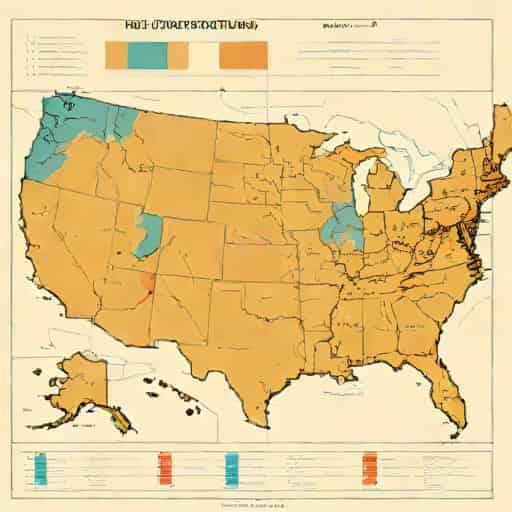
The conterminous United States, also known as the contiguous United States, covers a vast and diverse geographical area characterized by a wide range of landscapes, climates, and natural features. Understanding the physiographic divisions of this region is essential for comprehending its physical geography, natural resources, and environmental patterns. These divisions, also referred to as physiographic provinces, are based on differences in landforms, geological structures, and historical processes such as erosion, sedimentation, and tectonic activity. By studying these physiographic divisions, geographers, students, and researchers can better understand the relationship between landforms, climate, and human activity across the contiguous United States.
Introduction to Physiographic Divisions
Physiography is a branch of geography that focuses on the study of natural features and landforms of the Earth. In the context of the conterminous United States, physiographic divisions categorize the land into regions that share common geological and topographical characteristics. These divisions provide a framework for understanding how the Earth’s crust has evolved over time and how natural processes have shaped the present landscape. Each division has unique features, including mountains, plateaus, plains, valleys, and coastal areas, which influence climate, vegetation, soil types, and human settlement patterns.
Major Physiographic Divisions of the Conterminous United States
The conterminous United States is typically divided into several major physiographic regions. These divisions include the Appalachian Highlands, the Atlantic Coastal Plain, the Interior Plains, the Interior Highlands, the Rocky Mountains, the Intermontane Plateaus, the Pacific Mountain System, and the Basin and Range Province. Each division has distinct characteristics and plays an important role in the geography and ecology of the nation.
Appalachian Highlands
The Appalachian Highlands are located in the eastern United States, stretching from Alabama to New York and extending into parts of New England. This region includes the Appalachian Mountains, which are characterized by folded and faulted sedimentary rocks, ancient ridges, and valleys. Key features include
- Blue Ridge Mountains
- Allegheny Plateau
- Great Smoky Mountains
The Appalachian Highlands are known for their rich biodiversity, extensive forests, and mineral resources, including coal and natural gas. The topography significantly affects local climate patterns and water drainage systems.
Atlantic Coastal Plain
The Atlantic Coastal Plain extends along the eastern seaboard of the United States, from New Jersey to Florida. This physiographic division is characterized by
- Low, flat terrain
- Sandy soils and sedimentary deposits
- Extensive river systems and estuaries
The Coastal Plain is an important agricultural region due to its fertile soils and favorable climate. It also includes wetlands, barrier islands, and coastal features that provide habitat for diverse flora and fauna.
Interior Plains
The Interior Plains cover a large portion of the central United States, including the Great Plains and the Central Lowlands. This division is characterized by
- Flat to gently rolling terrain
- Deep, fertile soils ideal for agriculture
- Major river systems, including the Mississippi and Missouri Rivers
The Interior Plains are critical for food production, particularly grains and livestock, and have significant oil and gas reserves. The region’s flat landscape is also prone to severe weather events, such as tornadoes and thunderstorms.
Interior Highlands
The Interior Highlands consist of elevated regions within the central United States, primarily the Ozark Plateau and the Ouachita Mountains. This region is characterized by
- Rugged hills and plateaus
- Limestone caves and karst topography
- Forested areas with diverse wildlife
These highlands provide recreational opportunities, including hiking, fishing, and exploring caves. The geological formations also influence local hydrology and water quality.
Rocky Mountains
The Rocky Mountains extend from New Mexico through Colorado, Wyoming, Montana, and into Canada. This physiographic division features
- High mountain peaks and deep valleys
- Glacially carved landscapes
- Rich mineral resources, including gold, silver, and copper
The Rockies impact climate patterns by creating rain shadows and affecting weather systems. The region is also a hub for tourism, winter sports, and outdoor recreation.
Intermontane Plateaus
Located between the Rocky Mountains and the Pacific Mountain System, the Intermontane Plateaus include regions such as the Colorado Plateau and the Columbia Plateau. Features of this division include
- Flat-topped plateaus and canyons
- Volcanic formations and basalt flows
- Unique desert landscapes and ecosystems
The Intermontane Plateaus are notable for their scenic beauty, national parks, and geological significance, attracting geologists and tourists alike.
Pacific Mountain System
The Pacific Mountain System consists of mountain ranges along the western coast, including the Sierra Nevada, Cascades, and Coast Ranges. This region is characterized by
- High, rugged mountains with volcanic activity
- Active fault zones, including the San Andreas Fault
- Forested slopes and alpine ecosystems
The Pacific Mountain System is critical for water supply, hydroelectric power, and biodiversity. Earthquake activity and volcanic hazards are also significant concerns in this region.
Basin and Range Province
The Basin and Range Province stretches across Nevada, Utah, and parts of surrounding states. Its features include
- Alternating mountain ranges and desert basins
- Fault-block mountains and grabens
- Arid climate and sparse vegetation
This region is important for mining, geothermal energy, and desert ecosystems. The unique topography results from tectonic extension and crustal stretching over millions of years.
The physiographic divisions of the conterminous United States provide a detailed understanding of the country’s diverse landscapes, geological structures, and natural resources. From the Appalachian Highlands to the Pacific Mountain System, each division has unique characteristics that influence climate, vegetation, human settlement, and economic activity. By studying these divisions, geographers, students, and researchers can better appreciate the complexity of the United States’ physical geography and the dynamic processes that have shaped the land over millions of years. Understanding these physiographic regions is essential for environmental management, urban planning, natural resource conservation, and education in physical geography.