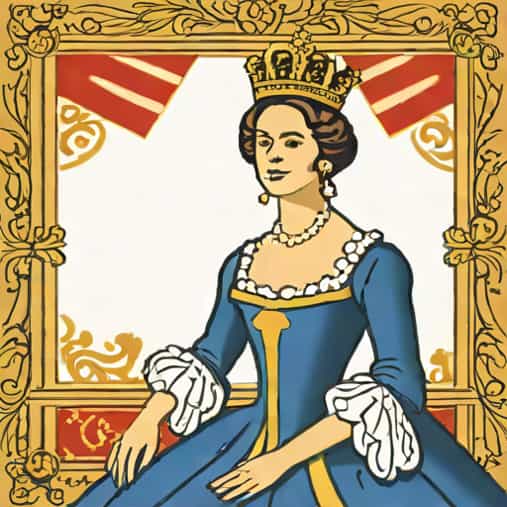
The queen of France during the French Revolution, Marie Antoinette, remains one of the most famous and controversial figures in history. Born an Austrian archduchess in 1755, she married Louis XVI at the age of 14, becoming the queen of France in 1774. Her life and reign coincided with a period of immense social, political, and economic upheaval in France. As queen, she became a symbol of royal excess and privilege, often blamed for the financial crises and social inequalities that fueled revolutionary sentiments. Understanding Marie Antoinette’s role during this tumultuous period requires exploring her early life, her position at the French court, her influence on politics, and her ultimate fate during the revolution.
Early Life and Marriage
Marie Antoinette was born on November 2, 1755, in Vienna, Austria, as the fifteenth child of Empress Maria Theresa and Emperor Francis I. Raised in the opulent and highly structured environment of the Austrian court, she was educated in music, languages, etiquette, and politics, though her upbringing emphasized social grace and charm over political acumen. In 1770, she married the future King Louis XVI of France to strengthen the alliance between Austria and France. The marriage was politically significant, but initially distant, as Louis was shy and inexperienced, while Marie Antoinette struggled to adapt to the strict customs of Versailles.
Life at Versailles
As queen, Marie Antoinette lived in the Palace of Versailles, a symbol of royal power and extravagance. She quickly became known for her fashion, elaborate hairstyles, and luxurious lifestyle. Although some accounts describe her as frivolous, she also participated in charitable works and patronized the arts. Despite these contributions, public perception of her was largely negative, as she became associated with the decadence of the monarchy. Her spending on clothing, entertainment, and personal projects fueled resentment among the common people, who faced poverty and rising taxes.
Political Influence and Controversy
Marie Antoinette’s political influence was limited by her gender and the traditions of the French monarchy, but she did attempt to sway court decisions and advise the king on key issues. She supported certain political factions and foreign policies, sometimes aligning with Austrian interests due to her heritage. Her involvement in political matters, however, was often exaggerated by opponents, leading to rumors and propaganda portraying her as manipulative and indifferent to the suffering of the French populace.
Public Perception and Propaganda
During the years leading up to the revolution, Marie Antoinette became the target of intense public scrutiny. Pamphlets, cartoons, and satirical writings depicted her as extravagant, immoral, and disconnected from the realities of French life. The nickname Madame Deficit reflected the perception that she was responsible for the kingdom’s financial troubles, even though the economic crisis had deeper structural causes. This negative portrayal fueled public anger and helped shape the revolutionary narrative against the monarchy.
The French Revolution and the Queen
The outbreak of the French Revolution in 1789 brought significant challenges for Marie Antoinette. The revolutionaries sought to limit royal authority and address social inequalities, placing the queen in a precarious position. Initially, she attempted to maintain her dignity and support the king, but her foreign origin and association with perceived excesses made her a target. Revolutionary leaders accused her of influencing Louis XVI to resist reforms, conspiring with foreign powers, and undermining the revolution.
Flight to Varennes
In June 1791, Marie Antoinette and Louis XVI attempted to flee Paris in what became known as the Flight to Varennes. Their goal was to reach a loyalist stronghold and rally support against the revolutionary government. The attempt failed, and the royal family was captured and returned to Paris, further eroding public trust. This event intensified calls for the abolition of the monarchy and heightened the perception that Marie Antoinette was plotting against France.
Imprisonment and Trial
Following the abolition of the monarchy in 1792, Marie Antoinette was imprisoned in the Temple and faced increasing hostility from revolutionaries. Her trial, conducted by the Revolutionary Tribunal, accused her of treason, conspiracy, and immoral behavior. Evidence presented included her correspondence with foreign powers and alleged involvement in plots against the revolutionary government. The trial was highly publicized and marked by intense scrutiny, reflecting the symbolic role of the queen as the embodiment of the ancien régime.
Charges and Defense
Marie Antoinette defended herself with dignity, denying accusations of treason and attempting to counter claims of immorality. Despite her efforts, the revolutionary authorities were determined to hold her accountable for the perceived failings of the monarchy. Her trial highlighted the radical political changes in France and the desire of revolutionaries to establish justice, even if the proceedings were influenced by political motivations and public sentiment.
Execution and Legacy
Marie Antoinette was executed by guillotine on October 16, 1793, at the Place de la Révolution in Paris. Her death symbolized the end of the French monarchy and the revolutionary rejection of royal privilege. Despite her controversial reputation during her lifetime, historical reassessments have provided a more nuanced view of her character, acknowledging her charitable actions, personal hardships, and limited political influence. She remains a complex figure, representing both the excesses of the monarchy and the human cost of revolutionary change.
Cultural Impact
Marie Antoinette’s life and death have had a lasting impact on literature, film, and popular culture. She is often depicted as a tragic figure, caught between personal desires, political responsibilities, and historical forces beyond her control. Her story has inspired countless biographies, novels, and cinematic portrayals, highlighting the enduring fascination with her life and the dramatic events of the French Revolution.
The queen of France during the French Revolution, Marie Antoinette, played a significant and symbolic role in one of history’s most transformative periods. From her early life in Austria to her marriage, life at Versailles, and eventual execution, she became emblematic of the challenges and excesses of the monarchy. While often vilified in her own time, modern historical analysis provides a more balanced perspective on her contributions, personal struggles, and the circumstances that led to her downfall. Marie Antoinette’s legacy continues to captivate historians and the public alike, serving as a reminder of the complex interplay between power, perception, and revolutionary change.