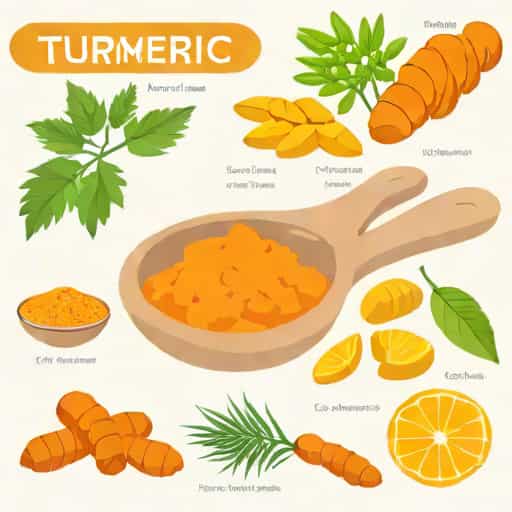
Turmeric, a golden-yellow spice derived from the root of the Curcuma longa plant, has been used for centuries in traditional medicine for its anti-inflammatory and antioxidant properties. Modern scientific studies have confirmed that turmeric, and particularly its active compound curcumin, can help reduce inflammation associated with conditions such as arthritis, digestive disorders, and metabolic syndrome. However, the effectiveness of turmeric depends heavily on the dosage, the form in which it is consumed, and how well the body absorbs it. Understanding the recommended dosage of turmeric for inflammation is crucial to maximize its benefits while minimizing potential side effects.
Understanding Turmeric and Curcumin
Turmeric contains a group of compounds known as curcuminoids, with curcumin being the most active and well-studied. Curcumin is responsible for most of turmeric’s anti-inflammatory effects, as it inhibits molecules that play a role in inflammation, such as cytokines and enzymes like COX-2. Despite its benefits, curcumin has low bioavailability, meaning that only a small portion of what you consume is absorbed into the bloodstream. This has led to the development of supplements that combine curcumin with substances like black pepper extract (piperine) or fats to enhance absorption.
Forms of Turmeric
- Powdered turmeric spice, commonly used in cooking
- Capsules or tablets containing standardized curcumin extracts
- Liquid turmeric extracts or tinctures
- Turmeric teas or golden milk formulations
Recommended Dosage for Inflammation
The dosage of turmeric for reducing inflammation varies depending on the form used and the severity of the condition being treated. Clinical studies provide guidelines that can help individuals determine an effective and safe intake level.
Turmeric Powder
When used as a culinary spice, turmeric is typically consumed in small amounts, usually 1 to 3 grams per day. While this amount may contribute to general health, it may not be sufficient to achieve significant anti-inflammatory effects for chronic conditions. Incorporating turmeric into daily meals, such as curries, soups, or smoothies, can provide supplemental benefits over time.
Curcumin Supplements
For therapeutic purposes, supplements containing concentrated curcumin are often recommended. Research studies have used dosages ranging from 500 to 2,000 milligrams of curcumin per day for adults. This range has been shown to help reduce inflammation in conditions such as osteoarthritis, rheumatoid arthritis, and inflammatory bowel disease. To improve absorption, curcumin supplements are frequently combined with piperine, a compound found in black pepper, which can enhance bioavailability by up to 2,000 percent.
Turmeric Extracts and Standardized Formulas
Standardized turmeric extracts typically contain 95% curcuminoids. For these extracts, the recommended dosage is usually 500 to 1,000 milligrams per day, taken in divided doses with meals. These formulations are considered more potent than regular turmeric powder and are better suited for managing significant inflammatory symptoms. It is important to follow the dosage instructions provided on the supplement label or by a healthcare provider to avoid adverse effects.
Factors Affecting Dosage
Several factors influence the optimal dosage of turmeric for inflammation, including age, health status, and concurrent use of other medications or supplements. Individual responses to turmeric can vary, so starting with a lower dose and gradually increasing it under professional supervision is often recommended.
Absorption Enhancers
Curcumin is fat-soluble, meaning it is better absorbed when consumed with dietary fats. Taking turmeric supplements with meals containing healthy fats, such as olive oil, avocado, or nuts, can improve absorption. Additionally, piperine, found in black pepper, enhances curcumin bioavailability and can maximize its anti-inflammatory effects.
Age and Health Conditions
Older adults or individuals with chronic inflammatory conditions may benefit from higher doses of turmeric supplements, while those with milder inflammation may achieve results with lower doses. People with digestive disorders or liver issues should consult a healthcare professional before starting high-dose turmeric supplementation, as it may interact with medications or affect metabolism.
Safety and Side Effects
Turmeric is generally considered safe when consumed in moderate amounts through food or supplements. However, excessive intake can lead to side effects such as gastrointestinal discomfort, nausea, diarrhea, or increased risk of bleeding in people taking anticoagulant medications. Standardized curcumin supplements may also cause mild side effects, especially at doses above 2,000 milligrams per day. It is essential to follow recommended dosages and consult a healthcare provider if you have underlying health conditions or are taking medications.
Precautions
- Avoid high doses if you are pregnant or breastfeeding without medical supervision
- Monitor for interactions with blood thinners or anti-inflammatory medications
- Start with a lower dose and gradually increase to assess tolerance
- Discontinue use if severe side effects occur and seek medical advice
Incorporating Turmeric into Daily Life
Beyond supplements, turmeric can be easily included in your diet to support inflammation management. Cooking with turmeric, adding it to teas or smoothies, or creating golden milk are practical ways to obtain its benefits. Consistency is key, as the anti-inflammatory effects of turmeric are cumulative and most effective with regular use.
Tips for Effective Use
- Combine turmeric with black pepper to enhance absorption
- Consume with healthy fats to improve bioavailability
- Use standardized extracts for therapeutic purposes rather than relying solely on culinary turmeric
- Maintain a balanced diet and lifestyle for overall inflammation control
Turmeric is a powerful natural compound with significant anti-inflammatory properties, primarily due to curcumin. Understanding the recommended dosage is essential to maximize its benefits while minimizing side effects. For general health, culinary turmeric in small amounts can be incorporated into daily meals, whereas higher doses through supplements may be necessary for managing chronic inflammation. Dosages of 500 to 2,000 milligrams of curcumin per day are commonly used in research for anti-inflammatory effects, often combined with black pepper or fats to enhance absorption. Safety considerations, including potential side effects and interactions with medications, must be taken into account. By following these guidelines, turmeric can be an effective, natural component of an anti-inflammatory regimen, supporting overall wellness and helping to reduce chronic inflammation over time.