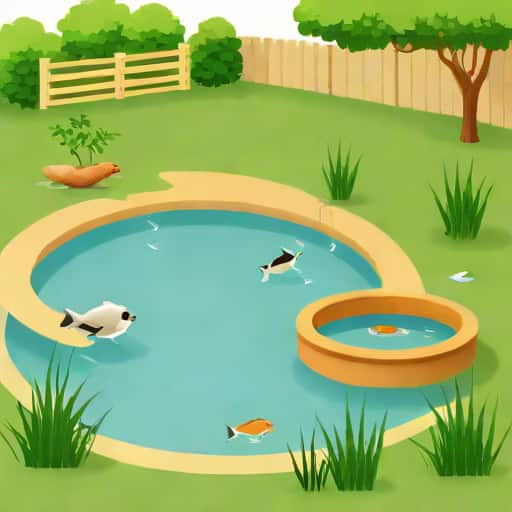
Creating a backyard fishpond is one of the most rewarding ways to bring life, beauty, and tranquility to your outdoor space. The gentle sound of water, the sight of colorful fish gliding beneath the surface, and the ecosystem that develops over time can transform any garden into a peaceful retreat. However, building and maintaining a successful pond requires more than simply digging a hole and filling it with water. Understanding therequirements for a successful backyard fishpondis essential to ensure a healthy environment for both fish and plants while keeping the water clean and balanced all year long.
Choosing the Right Location
One of the first and most importantrequirements for a successful backyard fishpondis selecting the ideal location. The placement of the pond influences everything from water temperature to maintenance needs and the health of the fish.
- Sunlight ExposureA good pond should receive at least four to six hours of sunlight daily. Sunlight helps aquatic plants grow and maintain oxygen levels. However, excessive sun can lead to algae blooms, so partial shade from nearby trees or a pergola can help balance the light.
- Distance from TreesWhile some shade is beneficial, placing the pond too close to large trees can cause problems. Falling leaves can decompose in the water, leading to poor water quality, and tree roots might damage the pond liner.
- AccessibilityThe pond should be easily accessible for feeding fish, cleaning, and maintenance, but also placed where it complements your garden’s design and allows you to enjoy it visually.
Determining the Right Size and Depth
The size and depth of the pond depend on your available space, budget, and the type of fish you plan to keep. Larger ponds are generally more stable in terms of temperature and water chemistry. A small pond can quickly overheat or become stagnant if not properly managed.
- DepthFor most climates, a depth of about 60 to 90 cm (2 to 3 feet) is recommended. In colder regions, deeper ponds prevent the water from freezing completely, protecting the fish during winter.
- VolumeA pond holding at least 1,000 liters (about 250 gallons) provides a more stable ecosystem. The more water volume, the easier it is to maintain balance and prevent rapid changes in temperature or pH.
Depth also matters for the type of fish you plan to keep. Koi, for example, need more space and deeper water compared to goldfish, which can thrive in smaller ponds.
Water Quality and Filtration System
Good water quality is the backbone of a healthy pond. Maintaining clear, oxygen-rich water is one of the keyrequirements for a successful backyard fishpond. Fish waste, uneaten food, and decaying plants release ammonia and other toxins that can harm aquatic life. A proper filtration and aeration system helps remove these impurities and keeps the ecosystem balanced.
Types of Filtration
- Mechanical FiltrationThis system removes physical debris such as leaves, dirt, and uneaten food from the water using sponges, screens, or pads.
- Biological FiltrationBeneficial bacteria living in the filter media break down harmful substances like ammonia into less toxic compounds such as nitrate, creating a natural balance.
- UV ClarifierA UV light system helps control algae by killing microscopic spores, keeping the water clear without harming fish or plants.
Aeration and Oxygenation
Fish need oxygen to survive, and proper aeration ensures adequate oxygen levels throughout the pond. This can be achieved through water pumps, fountains, or waterfalls. Moving water not only increases oxygen but also prevents stagnation and mosquito breeding. During hot summer months, aeration becomes even more crucial because warm water holds less oxygen.
Choosing the Right Fish
When stocking your pond, choosing the right species is critical for long-term success. Not all fish are suitable for backyard ponds, and overcrowding can lead to poor health and water quality issues.
- GoldfishOne of the easiest species to care for, goldfish adapt well to different conditions and are ideal for smaller ponds.
- KoiThese colorful, graceful fish are larger and require more space and filtration but can live for decades if properly cared for.
- Minnows and GuppiesSmaller species that add diversity to the pond and help control mosquito larvae.
As a rule of thumb, allow at least 50 liters of water per small fish and up to 500 liters for each large koi. Adding fish gradually allows the biological filter to adapt and prevents overloading the ecosystem too quickly.
Aquatic Plants and Natural Balance
A successful pond is not just about fish plants play an equally important role in maintaining balance. Aquatic plants help absorb excess nutrients, provide shade, reduce algae growth, and give fish a place to hide. They also add visual beauty and natural charm to the pond.
Types of Pond Plants
- Floating PlantsWater lilies and duckweed reduce sunlight penetration and help control algae growth.
- Submerged PlantsSpecies like anacharis and hornwort oxygenate the water and act as natural filters.
- Marginal PlantsGrown around the pond edges, plants like cattails and irises add structure and stability to the ecosystem.
Maintaining a mix of these plant types ensures that the pond remains balanced throughout the year. It’s also important to trim dead leaves regularly and avoid overplanting, as decaying vegetation can reduce oxygen levels.
Regular Maintenance and Cleaning
Even a well-designed pond requires regular care to remain healthy. Consistent maintenance is one of the most overlooked yet vitalrequirements for a successful backyard fishpond. Ignoring cleaning routines can quickly lead to murky water, algae blooms, and sick fish.
- Weekly ChecksInspect water clarity, filter operation, and the behavior of fish. Remove visible debris with a net.
- Water TestingTest for pH, ammonia, nitrite, and nitrate levels. The ideal pH range for most fish is between 6.8 and 8.0.
- Partial Water ChangesReplace about 10 20% of the pond water every few weeks to dilute pollutants and refresh oxygen levels.
- Winter PreparationIn colder climates, stop feeding fish when the water temperature drops below 10°C (50°F) and use a pond heater or de-icer to prevent the surface from freezing completely.
Predator and Pest Control
Many backyard ponds attract not only fish lovers but also predators such as cats, raccoons, or birds. To protect your fish, consider adding hiding places like rocks, caves, or dense plants. A fine net or mesh cover can also help prevent attacks without affecting the pond’s appearance. Mosquito control is another important factor keeping the water moving through aeration and introducing small fish species that eat larvae are effective natural solutions.
Design and Aesthetic Considerations
While functionality is essential, aesthetics also play a key role in creating a relaxing backyard atmosphere. The pond’s design should complement the overall landscape. Adding natural stones, small bridges, or water features like fountains enhances the visual appeal. Lighting is another element that can make a big difference. Submerged or surrounding lights create a stunning nighttime ambiance, allowing you to enjoy your pond even after dark.
Environmental Responsibility
Building a fishpond means creating a small ecosystem, so it’s important to consider environmental impacts. Avoid using chemical fertilizers or pesticides near the pond, as runoff can contaminate the water. When introducing plants or fish, choose native species whenever possible to support local biodiversity. Sustainable pond management ensures a healthier environment and reduces maintenance costs in the long run.
Therequirements for a successful backyard fishpondinvolve more than just aesthetic design they depend on balance, care, and understanding of nature’s cycles. From selecting the right location and depth to maintaining clean water and choosing suitable fish, every decision contributes to the overall health of the pond. A well-planned fishpond not only enhances your backyard’s beauty but also provides a peaceful sanctuary where you can connect with nature. With the right combination of thoughtful design, regular maintenance, and environmental awareness, your backyard pond can flourish for many years, bringing joy and serenity to your outdoor living space.