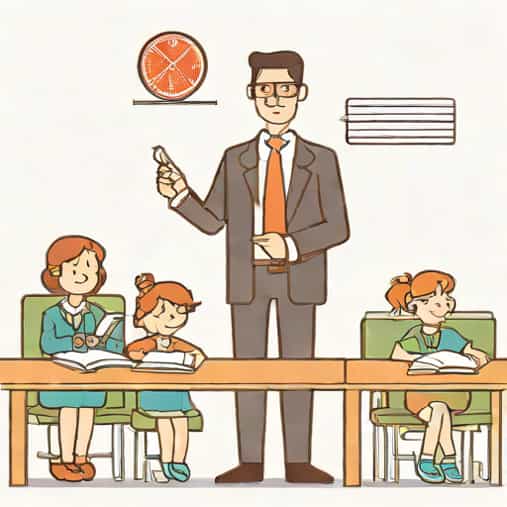
Teachers hold a pivotal position in shaping the attitudes, values, and behaviors of students. One of the most significant responsibilities of a teacher is to eliminate partiality in the classroom. Partiality, whether based on favoritism, bias, or discrimination, can create an unhealthy learning environment and negatively impact students’ academic performance, self-esteem, and social development. By promoting fairness, equality, and respect, teachers not only foster a positive classroom atmosphere but also help students develop ethical values and social responsibility that extend beyond school. Understanding the role of teachers in eliminating partiality is crucial for ensuring inclusive and effective education.
Understanding Partiality in Education
Partiality in education refers to the unfair treatment of students based on personal preferences, background, gender, social status, or academic ability. It can manifest in various forms, including giving certain students more attention, favoring their opinions, or assigning them better grades without merit. Such practices can demotivate students, create resentment among peers, and undermine the overall learning process. Eliminating partiality is essential to ensure that every student has equal opportunities to succeed and feel valued within the classroom.
Causes of Partiality
- Personal biases Teachers may unintentionally favor students who share similar interests or personalities.
- External pressures Influence from parents or school administration can lead to unequal treatment.
- Stereotypes Preconceived notions about students’ abilities based on gender, background, or ethnicity.
- Lack of awareness Teachers may not recognize subtle forms of partiality in their behavior.
The Role of Teachers in Eliminating Partiality
Teachers play a fundamental role in creating an equitable classroom environment. Their actions, attitudes, and policies can either reinforce or challenge partiality. By consciously adopting fair practices and encouraging inclusivity, teachers can ensure that all students receive equal opportunities for learning and growth.
Promoting Fairness and Equality
One of the primary roles of teachers is to promote fairness in classroom interactions. This includes
- Giving equal attention to all students, ensuring no one is ignored or overlooked.
- Evaluating students based on merit rather than personal preferences.
- Encouraging participation from every student during discussions and activities.
- Providing equal access to resources, guidance, and support.
Encouraging Respect and Understanding
Teachers can combat partiality by fostering a culture of respect and understanding among students. This involves teaching empathy, celebrating diversity, and discouraging discrimination or favoritism among peers. Activities like group work, collaborative projects, and discussions on fairness help students appreciate differences and learn to value everyone equally.
Setting Clear Rules and Expectations
Establishing transparent rules and expectations is another crucial strategy for teachers. By clearly communicating the criteria for grading, participation, and classroom behavior, teachers reduce ambiguity that could lead to partial treatment. Consistency in enforcing rules ensures that all students understand the standards and perceive them as fair.
Impact of Teachers’ Actions on Students
The way teachers handle partiality significantly affects students’ academic and personal development. Eliminating favoritism and bias helps students build confidence, develop a sense of justice, and cultivate healthy social relationships. On the other hand, perceived partiality can lead to frustration, lack of motivation, and emotional stress. Teachers who actively promote fairness contribute to a positive learning environment where every student feels valued and supported.
Benefits of Eliminating Partiality
- Improved academic performance Equal opportunities allow all students to demonstrate their abilities.
- Enhanced self-esteem Students feel respected and valued, boosting their confidence.
- Positive peer relationships Fair treatment encourages collaboration and reduces jealousy or conflict.
- Development of ethical values Students learn the importance of fairness and equality in society.
Strategies for Teachers to Reduce Partiality
There are several practical strategies teachers can implement to minimize partiality in classrooms
Self-Reflection and Awareness
Teachers should regularly reflect on their own behavior and attitudes to identify unconscious biases. Awareness of personal preferences and prejudices is the first step toward eliminating partiality.
Inclusive Teaching Practices
Incorporating diverse teaching materials, examples, and perspectives ensures that all students feel represented. Using a variety of instructional methods also addresses different learning styles, reducing the likelihood of favoritism toward certain students.
Active Engagement and Participation
Encouraging all students to participate actively in class activities ensures that no one is left out. Techniques such as random selection, structured debates, and equal distribution of roles can promote balanced involvement.
Objective Assessment Methods
Using clear, standardized criteria for grading and evaluation helps prevent favoritism. Teachers should focus on students’ performance, effort, and improvement rather than subjective opinions or personal liking.
Role of Teachers Beyond the Classroom
The responsibility of eliminating partiality extends beyond classroom teaching. Teachers serve as role models for students, demonstrating fairness, ethical behavior, and respect for diversity. By exhibiting impartial behavior in school activities, extracurricular programs, and social interactions, teachers reinforce the importance of equality in broader contexts. This influence can shape students’ attitudes toward fairness in their personal and professional lives in the future.
Teacher as a Mentor
As mentors, teachers guide students in making ethical decisions, resolving conflicts, and treating others with respect. By mentoring students on the importance of fairness and equality, teachers foster a culture of impartiality that extends to peer relationships and community interactions.
Collaborating with Parents and Community
Teachers can also collaborate with parents and the wider community to promote fairness and inclusivity. Workshops, parent-teacher meetings, and awareness programs can reinforce the message of eliminating partiality, ensuring that students experience consistency in values both at school and home.
The role of teachers in eliminating partiality is critical for creating a fair, inclusive, and positive learning environment. By promoting equality, respect, and ethical behavior, teachers help students develop academically, socially, and morally. Fair treatment, objective assessment, and inclusive teaching practices prevent favoritism and ensure that every student feels valued and supported. Beyond academics, teachers serve as role models, shaping the attitudes and behaviors of future citizens who will uphold fairness and equality in society. Ultimately, teachers’ commitment to eliminating partiality not only enhances education but also contributes to building a just and equitable community.