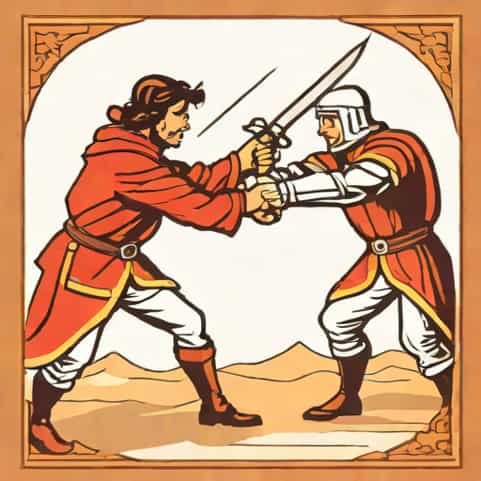
Franco Zeffirelli’s 1968 film adaptation of Shakespeare’s Romeo and Juliet remains one of the most celebrated portrayals of the classic tragedy, offering a visually stunning and emotionally powerful interpretation of the story. One of the most pivotal moments in both the play and Zeffirelli’s film is the scene where Romeo kills Tybalt, an event that dramatically shifts the narrative and sets the stage for the tragic ending. Zeffirelli’s treatment of this scene emphasizes not only the intensity of the conflict between the Montagues and Capulets but also the emotional turmoil within Romeo, highlighting themes of love, honor, and impulsive action. Understanding how this moment is depicted in Zeffirelli’s adaptation provides insight into his cinematic approach and the enduring relevance of Shakespeare’s work.
Context of the Tybalt Conflict
In Zeffirelli’s Romeo and Juliet, the tension between the Montague and Capulet families is visually and narratively heightened from the very beginning. Tybalt, Juliet’s fiery cousin, represents the aggressive and vengeful aspect of the Capulet family. His antagonism toward the Montagues escalates throughout the film, culminating in the fateful duel that leads to his death. Zeffirelli’s portrayal of Tybalt is intense and highly physical, emphasizing his pride, skill with a sword, and desire to uphold family honor, which makes the confrontation with Romeo both inevitable and tragically compelling.
Tybalt’s Role in the Story
- Serves as a catalyst for the tragic sequence of events following Romeo’s killing of Mercutio.
- Represents the aggressive and honor-bound faction of the Capulet family.
- His actions heighten the stakes for both Romeo and Juliet, increasing dramatic tension.
- Illustrates the destructive consequences of familial loyalty and social conflict.
Romeo’s Emotional State
Zeffirelli emphasizes Romeo’s inner conflict and emotional turmoil leading up to Tybalt’s death. Having secretly married Juliet, Romeo is torn between his love for her and his loyalty to his friend Mercutio, who is killed by Tybalt in a duel. This moment portrays Romeo’s impulsive nature and the human susceptibility to rage and grief. Zeffirelli captures these emotions through close-up shots, expressive performances, and dramatic music, allowing the audience to feel the weight of Romeo’s decision and the inevitability of tragedy.
Key Emotional Elements
- Grief over Mercutio’s death and anger toward Tybalt.
- Conflict between love for Juliet and family loyalty.
- Impulsivity and the sudden shift from peacemaking to violence.
- Foreshadowing of the consequences that will follow, including Romeo’s exile.
Cinematic Techniques in the Duel Scene
Zeffirelli’s film is notable for its use of cinematic techniques to heighten tension and convey the drama of Tybalt’s death. The duel is choreographed with meticulous attention to period accuracy, including realistic swordplay and physical interactions. Close-ups, quick cuts, and dramatic angles amplify the intensity of the fight and capture the characters’ emotional states. The film’s cinematography, combined with the actors’ performances, ensures that the moment is both visually striking and emotionally resonant.
Visual and Auditory Elements
- Close-up shots of facial expressions to emphasize fear, anger, and grief.
- Dynamic camera movements that follow the action of the duel.
- Use of lighting and shadows to create tension and highlight dramatic moments.
- Sound design and musical score that enhance emotional impact.
Impact on the Narrative
The killing of Tybalt marks a major turning point in Zeffirelli’s adaptation. Prior to this event, Romeo and Juliet’s love story unfolds relatively peacefully, but Tybalt’s death propels the narrative into tragedy. Romeo’s exile from Verona isolates the young couple, setting the stage for miscommunication, despair, and ultimately, the deaths of both Romeo and Juliet. Zeffirelli portrays these consequences with careful pacing, ensuring that the audience fully grasps the gravity of Romeo’s action and its ripple effects throughout the story.
Narrative Consequences
- Romeo is banished from Verona, separating him from Juliet.
- The Capulet family intensifies its conflict with the Montagues.
- Foreshadows the tragic ending of the film.
- Highlights the theme of fate and the destructive nature of impulsive decisions.
Performance and Characterization
Leonard Whiting, who plays Romeo in Zeffirelli’s adaptation, delivers a performance that balances youthful innocence with sudden emotional intensity. Michael York’s portrayal of Tybalt embodies arrogance, skill, and a sense of honor, making the duel emotionally charged. The contrast between Romeo’s internal conflict and Tybalt’s external aggression underscores the themes of love versus hate, impulsivity versus reason, and personal loyalty versus social obligation. Zeffirelli’s direction ensures that these performances resonate with audiences, making the duel a memorable and impactful moment in the film.
Character Dynamics
- Romeo Torn between grief, anger, and love, highlighting human vulnerability.
- Tybalt Embodies pride, aggression, and family loyalty, driving the conflict.
- Supporting Characters Mercutio’s death catalyzes the duel, emphasizing the consequences of impulsive actions.
- Juliet Her presence and influence are felt even indirectly, amplifying Romeo’s emotional turmoil.
Thematic Significance
The scene where Romeo kills Tybalt reinforces several of Shakespeare’s central themes, which Zeffirelli skillfully translates to film. Themes of fate, violence, love, and honor converge, demonstrating how personal choices can have irreversible consequences. Zeffirelli’s visual storytelling highlights the tension between romantic love and societal expectations, showing that even noble intentions can lead to devastating outcomes when passion and impulse take control.
Key Themes
- Impulsivity and Consequences Actions driven by emotion can have lasting and tragic effects.
- Conflict Between Love and Duty Romeo’s love for Juliet clashes with his loyalty to friends and family.
- Fate and Tragedy The duel underscores the inevitability of tragic events within the story.
- Violence and Honor Tybalt’s adherence to family honor provokes the fatal confrontation.
Franco Zeffirelli’s depiction of Romeo killing Tybalt is a cornerstone of his 1968 adaptation of Romeo and Juliet, blending emotional intensity, cinematic artistry, and thematic depth. The duel is not merely a plot device but a lens through which viewers understand the complexities of love, loyalty, and fate. Through careful direction, compelling performances, and innovative cinematography, Zeffirelli transforms this pivotal moment into a memorable cinematic experience that continues to resonate with audiences. By examining the context, emotional stakes, and narrative consequences of Tybalt’s death, it becomes clear why this scene remains one of the most significant and analyzed moments in the history of Shakespearean film adaptations.