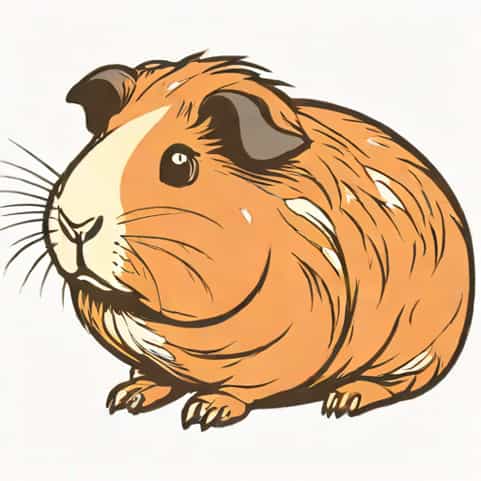
The guinea pig is a small, charming rodent that has captured the hearts of pet lovers and researchers around the world. Known for its gentle personality and playful nature, this animal is also of great scientific interest. The scientific name of the guinea pig isCavia porcellus, a designation that reflects its classification in the animal kingdom. Understanding this name is more than just a matter of scientific curiosity; it opens the door to learning about its taxonomy, history, natural behavior, and its role in both domestication and research. By exploring the meaning and significance of the scientific name of the guinea pig, we can better appreciate its unique place in nature and human society.
Origin and Meaning of the Scientific Name
The scientific name of the guinea pig,Cavia porcellus, follows the binomial nomenclature system developed by Carl Linnaeus. The first part,Cavia, represents the genus, while the second part,porcellus, identifies the species. The word Cavia is believed to be derived from caví, a term used by indigenous peoples of South America, where these animals were originally found. The species name porcellus is Latin for little pig, a reference to the guinea pig’s pig-like squeaks and rounded body shape.
Genus Cavia
The genusCaviaincludes several closely related species of rodents native to South America. Wild relatives of the domestic guinea pig, such asCavia aperea, still roam the grasslands and forests of the Andes and surrounding regions. The inclusion of the domestic guinea pig in this genus reflects its shared physical and genetic traits with these wild counterparts. When scientists use the termCavia, they are referring to this broader group of similar rodents, all of which share a common ancestry.
Species Porcellus
The species nameporcellus, meaning little pig, highlights the guinea pig’s distinctive physical appearance and vocalizations. Early European observers were reminded of small pigs because of the animal’s short, stout body and squealing sounds. Although guinea pigs are not related to pigs, the name captures the essence of their endearing behavior. In a scientific context,porcellusdistinguishes the domestic guinea pig from its wild relatives within the genusCavia.
Taxonomic Classification
Knowing the scientific name of the guinea pig also helps place it within the larger framework of biological classification. Here is the full taxonomic hierarchy forCavia porcellus
- KingdomAnimalia
- PhylumChordata
- ClassMammalia
- OrderRodentia
- FamilyCaviidae
- GenusCavia
- Speciesporcellus
This classification reveals that guinea pigs are mammals and part of the order Rodentia, which includes mice, rats, and beavers. Within the family Caviidae, they share lineage with other South American rodents like cavies and capybaras.
Domestication and History
The scientific name of the guinea pig also carries historical significance, as it connects the animal to its ancient domestication. Guinea pigs were first domesticated around 5000 BCE by indigenous cultures in the Andes, including the Inca civilization. They were raised for food, used in traditional medicine, and even featured in religious ceremonies. When Spanish explorers encountered these animals in the 16th century, they introduced them to Europe, where they became beloved pets. Over time, selective breeding produced the wide variety of coat colors and patterns seen in domestic guinea pigs today, all classified under the same scientific name,Cavia porcellus.
Not Related to Guinea or Pigs
Despite the common name guinea pig, this animal has no connection to Guinea in Africa, nor is it related to pigs. The name likely arose from confusion during early European trade, where animals from South America were shipped through ports that included the word Guinea in their names. The term pig simply reflects their pig-like squeaks and round bodies. The scientific name eliminates this confusion by using precise Latin terminology to describe the species.
Importance in Science and Research
The guinea pig’s scientific name,Cavia porcellus, is also well-known in medical and biological research. For centuries, guinea pigs have played a key role in studies of genetics, nutrition, and disease. Their biological similarities to humans, especially in terms of vitamin C requirements and immune responses, make them valuable models for experiments. The phrase guinea pig has even entered everyday language to describe someone who participates in a trial or experiment. Researchers rely on the scientific name to distinguish the domestic guinea pig from other rodents used in laboratories, ensuring clarity in scientific communication.
Contributions to Medicine
Guinea pigs have been instrumental in major scientific discoveries. They were critical in the development of vaccines for diseases such as tuberculosis and diphtheria. Their role in understanding scurvy, a disease caused by vitamin C deficiency, also highlights their biological similarity to humans. The scientific nameCavia porcellusis used in medical research papers and studies to provide accuracy and consistency across international research communities.
Physical Characteristics
The scientific name of the guinea pig is closely tied to its physical traits, which set it apart from other rodents. Guinea pigs are small, typically weighing between 700 and 1200 grams, with a body length of about 20 to 25 centimeters. They have no tails, short legs, and continuously growing teeth, which require regular gnawing to maintain proper length. Their fur comes in a variety of textures and colors, from smooth and short-haired breeds to long-haired varieties like the Peruvian guinea pig. All these physical features are encompassed within the speciesCavia porcellus.
Behavior and Social Life
Guinea pigs are highly social animals that thrive in groups. They communicate with each other using a range of sounds, including whistles, purrs, and chirps. These vocalizations are part of what inspired the species name porcellus, as early observers associated their squeaks with the sounds of small pigs. Their gentle nature and affectionate behavior make them ideal companions for families and individuals alike.
Conservation and Care
Although domestic guinea pigs are not endangered, understanding their scientific name helps distinguish them from wild relatives, some of which face habitat loss and other environmental threats. Proper care forCavia porcellusincludes a balanced diet rich in vitamin C, a spacious habitat, and regular social interaction. Responsible breeding and care ensure that these animals remain healthy and continue to bring joy to pet owners around the world.
Why the Scientific Name Matters
Using the scientific name of the guinea pig provides clarity and precision that common names cannot offer. While guinea pig may vary across languages and cultures,Cavia porcellusis recognized worldwide by scientists, veterinarians, and researchers. This standardized name ensures that discussions about health, genetics, and conservation refer to the same species, avoiding confusion that might arise from local terminology.
The scientific name of the guinea pig,Cavia porcellus, encapsulates the animal’s history, biology, and significance. From its origins in the Andes to its role as a beloved pet and research subject, the guinea pig holds a unique place in human life. Understanding this name allows us to appreciate not only its taxonomic classification but also the fascinating journey of domestication and scientific discovery that has made the guinea pig a cherished companion and a vital contributor to science.