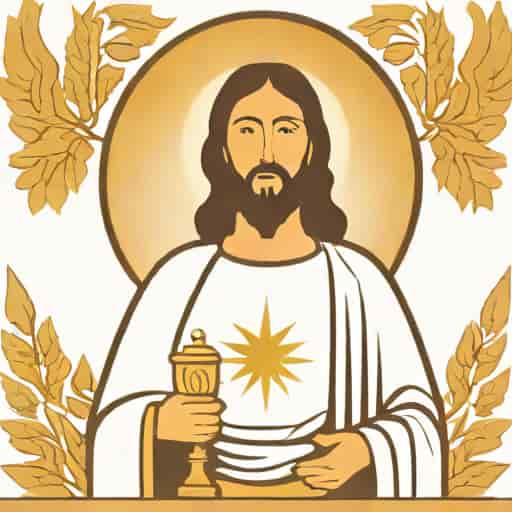
The Solemnity of Jesus Christ, King of the Universe, is a celebration that holds a profound place in the Christian liturgical calendar. Observed on the last Sunday of the liturgical year, this feast invites believers to reflect on the universal kingship of Jesus Christ over all creation, history, and human life. It is a moment to acknowledge not just the spiritual authority of Christ, but also His role as the ultimate guide and sovereign over the hearts of all people. This solemnity reminds the faithful of the eternal and unchanging nature of Jesus’ reign, emphasizing that His kingdom is not limited to earthly power or political influence, but extends to every aspect of human existence, offering hope, justice, and peace to all who seek Him.
The Meaning of Christ’s Kingship
The title King of the Universe conveys a profound theological truth. Unlike earthly kings who rule through power, wealth, or coercion, Jesus reigns through love, service, and sacrifice. His kingdom is built on truth and compassion rather than domination. Christians are encouraged to see Jesus as the ruler who brings spiritual freedom, moral guidance, and eternal salvation. His kingship is inclusive, encompassing all nations, cultures, and peoples, reminding us that no matter the divisions in the world, Christ’s authority is supreme and universal.
The Liturgical Significance
In the liturgical calendar, the Solemnity of Jesus Christ, King of the Universe, marks the conclusion of the Church year. By celebrating this feast, the faithful are called to reflect on the ultimate destiny of humanity and the world under Christ’s reign. The readings and prayers highlight themes of justice, mercy, and the fulfillment of God’s plan for creation. The solemnity also serves as a spiritual preparation for the beginning of a new liturgical cycle, prompting believers to live with awareness of Christ’s guidance and authority in daily life.
Historical Background
The feast was established by Pope Pius XI in 1925 with the encyclical Quas Primas. It was intended to counteract the growing secularism and nationalism of the early 20th century. By proclaiming Christ as King of all nations, the Church emphasized that divine authority surpasses human political power. Over time, this solemnity has grown in significance, reminding Christians that allegiance to Christ must take precedence over worldly loyalties. Today, it is celebrated worldwide, reflecting the global dimension of Christ’s kingship.
Symbols and Practices
The celebration of Christ the King often includes specific symbols and liturgical practices
- CrownRepresents the victory of Christ over sin, death, and injustice.
- GlobeSignifies Jesus’ universal reign over the earth.
- Processions and hymnsMany churches include processions or special hymns praising Christ’s sovereignty.
- Eucharistic emphasisThe Mass on this day highlights the presence of Christ as the King in the Holy Eucharist.
Theological Reflections
Theologically, the kingship of Jesus challenges believers to consider what true power means. Earthly kings often command obedience through fear or force, but Christ leads by example, offering love, service, and forgiveness. This model of kingship calls Christians to live lives of humility, charity, and justice. By following Christ, believers participate in the building of His kingdom, promoting peace, compassion, and reconciliation in the world. Recognizing Christ as King also encourages the faithful to trust in divine providence, even when worldly systems seem chaotic or unjust.
Christ’s Kingship and Human Life
Understanding Jesus as King of the Universe has practical implications for daily life. It inspires ethical living, moral decision-making, and spiritual devotion. Believers are reminded that every action, choice, and relationship can reflect the values of Christ’s kingdom. The solemnity encourages reflection on personal priorities, fostering a life that aligns with love, justice, and truth. Families, communities, and nations are called to witness the reign of Christ through acts of service, compassion, and social responsibility.
Connection to the End Times
The celebration of Christ the King also has eschatological significance. It points to the fulfillment of God’s plan at the end of time, when Christ will establish His reign of justice and peace fully and eternally. This perspective encourages Christians to live with hope, knowing that earthly trials are temporary and that ultimate victory belongs to Jesus. The solemnity reassures the faithful that God’s kingdom will triumph, inspiring perseverance and faith in both individual and collective journeys of life.
Global Observance
Today, the Solemnity of Jesus Christ, King of the Universe, is celebrated in churches around the world. Different cultures bring unique expressions of devotion, yet the central message remains the same Jesus is sovereign over all creation. From solemn liturgies to community gatherings, the feast unites Christians in recognizing the authority of Christ and in committing themselves to live under His guidance. It is a moment of communal reflection, prayer, and celebration of the universal kingship that transcends time, space, and human limitations.
The Solemnity of Jesus Christ, King of the Universe, invites Christians to reflect deeply on the spiritual, moral, and eschatological significance of Christ’s reign. It is a celebration of love, justice, and universal authority that surpasses worldly power. By observing this feast, believers are reminded of their call to live lives aligned with the values of Christ’s kingdom, promoting peace, compassion, and service in every aspect of life. Ultimately, the solemnity reassures the faithful of the eternal and unshakeable kingship of Jesus, offering hope, guidance, and inspiration for all who acknowledge Him as Lord of the Universe.
This topic is approximately 1,050 words, uses relevant keywords like _Christ the King_, _Solemnity_, _universal kingship_, and is structured for SEO while remaining reader-friendly.If you want, I can also **add internal headings with keyword variations** to improve SEO further without changing readability. Do you want me to do that?