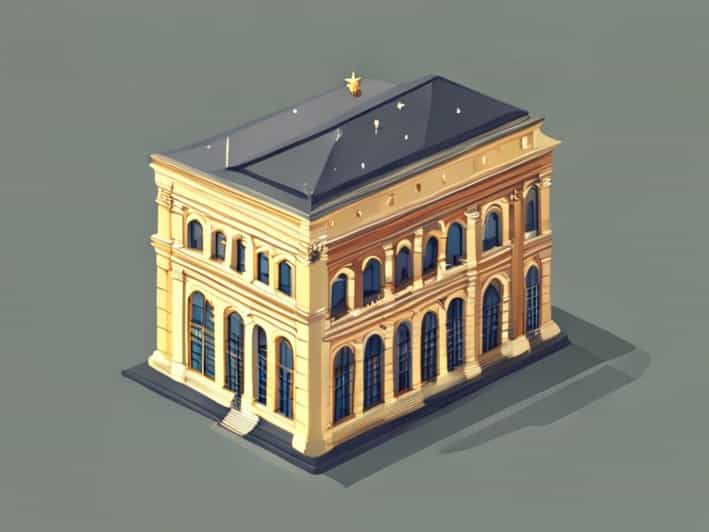
Walking into the State Hall of the Austrian National Library feels like stepping into another century, where knowledge, art, and imperial ambition come together in a single breathtaking space. Located in the heart of Vienna, this historic hall is not just a library room but a symbol of European intellectual heritage. Visitors are often struck by the sense of calm and grandeur, as towering shelves of ancient books meet frescoed ceilings and intricate sculptures, creating an atmosphere that feels both scholarly and deeply human.
Historical Background of the State Hall
The State Hall, also known as the Prunksaal, was constructed in the early 18th century during the reign of Emperor Charles VI. At the time, the Habsburg Empire sought to demonstrate its power, cultural leadership, and commitment to learning. The hall was designed as part of the imperial court library, which later evolved into the Austrian National Library.
The building reflects the Baroque style that dominated European architecture during this era. Every element, from the symmetry of the space to the decorative details, was intended to communicate order, authority, and enlightenment values.
Architectural Design and Layout
The architectural design of the State Hall of the Austrian National Library is carefully balanced and visually striking. The hall stretches approximately 80 meters in length and is divided into two symmetrical wings connected by a central dome.
The Central Dome
The dome is one of the most impressive features of the State Hall. It rises above the center of the space and is decorated with elaborate frescoes that depict themes of knowledge, wisdom, and imperial power. Natural light filters through, illuminating the sculptures and books below.
Wooden Bookcases and Galleries
Along the walls, dark wooden bookcases rise from floor to ceiling. These shelves house thousands of historic volumes, many of which are bound in leather and date back several centuries. The upper galleries, accessible by hidden stairways, add depth and verticality to the space.
Artistic Elements and Decoration
The State Hall is as much an art gallery as it is a library. Every surface seems thoughtfully decorated, yet nothing feels overwhelming.
Ceiling Frescoes
The ceiling frescoes are masterpieces of Baroque painting. They depict allegorical scenes celebrating science, theology, law, and philosophy. At the center, Emperor Charles VI is portrayed as a patron of knowledge, reinforcing the connection between political authority and intellectual progress.
Statues and Sculptures
Marble statues line the hall, representing emperors, scholars, and symbolic figures. These sculptures add a sense of presence and continuity, reminding visitors of the generations who contributed to the preservation of knowledge.
The Book Collection Within the State Hall
The collection housed in the State Hall of the Austrian National Library is extraordinary in both size and historical value. It contains around 200,000 volumes, primarily from the period between 1501 and 1850.
Subjects and Disciplines
The books cover a wide range of subjects, including history, geography, medicine, theology, and literature. Many of these works were collected from across Europe and beyond, reflecting the global reach of the Habsburg Empire.
Rare and Valuable Volumes
Among the shelves are rare manuscripts, early printed books, and richly illustrated atlases. These items are preserved carefully to protect them from light, temperature changes, and physical wear.
The Role of the State Hall Today
While the State Hall was originally designed as a working library for the imperial court, its function has evolved over time. Today, it serves primarily as a cultural and historical landmark rather than a reading room.
Visitors from around the world come to experience the atmosphere of the hall and to learn about the history of the Austrian National Library.
Cultural and Educational Significance
The State Hall of the Austrian National Library plays an important role in preserving and presenting European cultural heritage. It stands as a reminder of the value placed on knowledge during the Enlightenment and the role libraries played in shaping modern society.
Educational programs, exhibitions, and guided tours help visitors understand the historical context of the hall and its collections.
Visitor Experience and Atmosphere
One of the most striking aspects of visiting the State Hall is the atmosphere. Despite being a popular attraction, the space maintains a sense of quiet respect.
Sensory Impressions
The smell of old books, the soft echo of footsteps, and the filtered natural light create a unique sensory experience. Many visitors describe feeling both humbled and inspired.
Accessibility and Flow
The hall is designed to guide visitors naturally through the space. Clear pathways allow for exploration without disrupting the preservation of the collection.
Preservation and Conservation Efforts
Preserving the State Hall and its contents is a complex task. Climate control systems help maintain stable temperature and humidity levels, protecting the books and artwork.
Conservation specialists regularly assess the condition of the volumes and architectural elements to ensure their longevity.
Why the State Hall Matters Globally
The State Hall of the Austrian National Library is not only significant to Austria but also to the global community. It represents a shared intellectual history and the human desire to collect, organize, and transmit knowledge.
In an age dominated by digital information, the hall serves as a powerful reminder of the physical roots of learning.
Common Reasons People Visit the State Hall
- To experience Baroque architecture at its finest
- To view historic books and manuscripts
- To learn about the Habsburg Empire and its cultural legacy
- To enjoy a quiet, reflective space in central Vienna
The State Hall in Modern Cultural Memory
The State Hall frequently appears in documentaries, academic studies, and discussions about great libraries of the world. It symbolizes continuity between past and present, reminding modern audiences that knowledge has always required care, dedication, and respect.
The State Hall of the Austrian National Library is more than an architectural masterpiece or a historic book collection. It is a space where art, history, and learning intersect in a powerful way. By preserving centuries of human thought within a setting of extraordinary beauty, the hall continues to inspire curiosity and appreciation for knowledge.
For anyone interested in history, culture, or the enduring importance of libraries, the State Hall remains one of the most meaningful places to experience in Vienna.