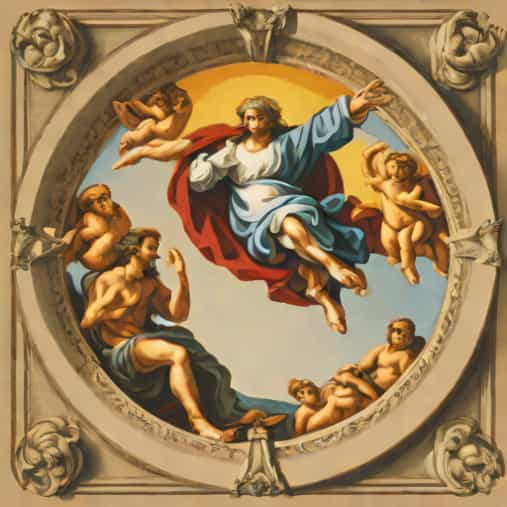
The Sistine Chapel ceiling, painted by Michelangelo between 1508 and 1512, is one of the most iconic masterpieces of Renaissance art, captivating viewers with its intricate details, dramatic compositions, and profound storytelling. The ceiling does not merely serve as decoration; it depicts a complex narrative drawn from the Book of Genesis, illustrating key moments in the biblical creation story, the fall of humanity, and the promise of salvation. Through its vibrant frescoes, the ceiling conveys theological themes, human emotion, and divine intervention, all while demonstrating Michelangelo’s unparalleled skill in anatomy, perspective, and composition. Understanding the story depicted on the Sistine Chapel ceiling allows viewers to appreciate both its artistic brilliance and its spiritual depth.
The Structure of the Ceiling
The Sistine Chapel ceiling is a rectangular surface approximately 40 meters long and 14 meters wide, divided into multiple panels that organize the biblical narrative. Michelangelo designed the ceiling in a complex architectural framework that incorporates nine central panels depicting scenes from Genesis, surrounded by various figures of prophets, sibyls, ancestors of Christ, and decorative elements. Each panel is carefully composed to convey a sequence of events, while the surrounding figures provide context, commentary, and symbolic connections. The layout demonstrates the artist’s ability to integrate narrative storytelling with aesthetic harmony, creating a visually cohesive experience for viewers.
Key Components
- Nine central panels from Genesis depicting the creation, fall, and early humanity.
- Figures of prophets and sibyls who foretold or commented on divine events.
- Ancestors of Christ displayed in lunettes above the windows.
- Decorative architectural and symbolic elements unifying the composition.
The Creation Story
The central panels begin with the creation narrative, presenting God’s acts of bringing the universe into existence. The first panel depicts the separation of light from darkness, symbolizing the establishment of order from chaos. Subsequent panels illustrate the creation of the sun, moon, and Earth, followed by the creation of Adam and Eve. Michelangelo’s depiction of Adam in the famous Creation of Adam panel emphasizes both the physical beauty of the human body and the spiritual connection between God and humanity. God’s dynamic gesture reaching toward Adam conveys divine energy and the transmission of life, symbolizing humanity’s unique status as the image of God.
Highlights of the Creation Panels
- The separation of light and darkness establishing cosmic order.
- Depiction of celestial bodies to signify the creation of the universe.
- The Creation of Adam illustrating divine-human connection.
- The portrayal of Eve and the creation of humanity emphasizing both physical and spiritual dimensions.
The Fall of Humanity
Following the creation narrative, Michelangelo depicts the fall of humanity in the panels showing Adam and Eve’s temptation and expulsion from the Garden of Eden. These scenes highlight the consequences of disobedience and the introduction of sin into the human condition. The portrayal of Adam and Eve’s emotions-shock, shame, and despair-conveys the psychological and moral gravity of their actions. The expulsion scene demonstrates Michelangelo’s skill in narrative drama, as the figures are depicted with dynamic movement and expressive gestures, emphasizing the tension and tragedy of the moment.
The Temptation and Expulsion Panels
- Adam and Eve’s interaction with the serpent symbolizes temptation.
- The realization of sin conveyed through gestures and expressions.
- Expulsion from Eden illustrating divine justice and human suffering.
- Use of dynamic composition to emphasize movement and emotion.
The Story of Noah
The narrative continues with the story of Noah, depicting the aftermath of human sin and God’s response through the flood. Panels illustrate Noah’s sacrifice, the drunkenness of Noah, and the renewal of humanity after the flood. These episodes emphasize themes of judgment, redemption, and human vulnerability. Michelangelo’s use of muscular, expressive figures conveys both the physical and emotional weight of these biblical events. The story of Noah also connects to the broader narrative of human fallibility and divine mercy, reinforcing the moral and theological lessons central to the ceiling’s design.
Noah Panels
- Noah’s sacrifice as an act of thanksgiving and obedience.
- The depiction of Noah’s drunkenness highlighting human imperfection.
- The post-flood renewal signifying divine mercy and hope.
- Dynamic compositions enhancing the narrative impact of these stories.
Prophets and Sibyls
Surrounding the central panels, Michelangelo painted twenty figures of prophets and sibyls who were believed to foretell the coming of the Messiah. These figures provide a bridge between the Old Testament narratives and the promise of salvation through Christ. The prophets, drawn from Jewish tradition, and the sibyls, drawn from classical pagan sources, exemplify Michelangelo’s integration of Christian and classical motifs. Each figure is portrayed with careful attention to expression, gesture, and drapery, emphasizing both individuality and symbolic significance. They serve as witnesses and commentators to the central events, linking the divine narrative to human history and prophecy.
Significance of the Prophets and Sibyls
- Foretell the coming of the Messiah, connecting Old and New Testament themes.
- Integration of classical and biblical traditions in Renaissance art.
- Individualized expressions reflecting human emotion and spiritual insight.
- Enhance the narrative depth and theological meaning of the ceiling.
Theological and Artistic Significance
The story depicted on the Sistine Chapel ceiling is not only a biblical narrative but also a profound meditation on human existence, divine authority, and the potential for redemption. Michelangelo’s artistic choices-dramatic poses, muscular anatomy, vivid colors, and complex compositions-serve to elevate the narrative, making the spiritual themes more immediate and compelling. The ceiling also reflects Renaissance humanism, celebrating human creativity and the beauty of the natural form while acknowledging the moral responsibilities and limitations of humanity. It remains a testament to the power of art to communicate complex religious and philosophical ideas in a visually stunning format.
Key Themes
- Divine creation and the relationship between God and humanity.
- Human fallibility, sin, and the consequences of disobedience.
- Judgment, mercy, and redemption as central theological concepts.
- The union of aesthetic beauty and moral storytelling in Renaissance art.
The Sistine Chapel ceiling presents a remarkable story that blends biblical narrative, human emotion, and artistic mastery. From the creation of the universe to the fall of humanity, the story of Noah, and the prophetic figures surrounding these events, Michelangelo’s frescoes communicate profound theological and moral lessons while demonstrating extraordinary artistic skill. The ceiling invites viewers to reflect on the relationship between humanity and the divine, the consequences of sin, and the promise of redemption. By combining narrative, symbolism, and aesthetic excellence, the Sistine Chapel ceiling remains one of the most celebrated artistic achievements in history, offering both spiritual insight and visual awe for generations of viewers.