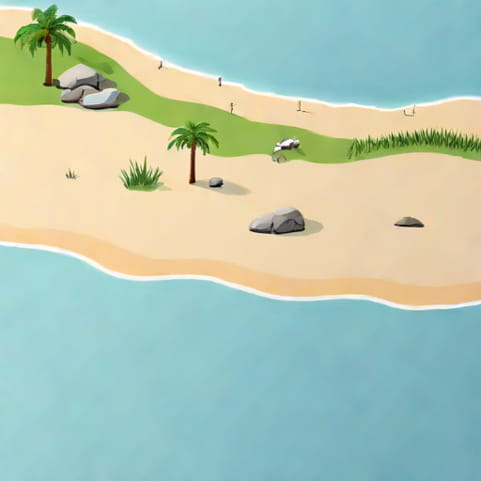
The area of coastline that lies between the high tide line and the low tide line plays a quiet but essential role in coastal environments around the world. This space, often walked across during low tide and submerged only hours later, is known as the foreshore and is also called the intertidal zone. Although it may seem like a narrow strip of land, it is one of the most dynamic and productive environments on Earth. Waves, tides, sunlight, and living organisms interact here every day, shaping ecosystems that support marine life and human communities alike.
Understanding the Foreshore and the Intertidal Zone
The foreshore is the part of the shore that is regularly covered and uncovered by the ocean due to tidal movement. Because of this rhythmic flooding and exposure, scientists commonly refer to the foreshore as the intertidal zone. The term intertidal highlights its position between tides, emphasizing the constant change that defines this environment.
Unlike deeper marine zones that remain underwater, the intertidal zone experiences dramatic shifts in temperature, moisture, and salinity. During high tide, it functions like a shallow marine habitat. At low tide, it becomes temporarily terrestrial. This dual nature makes the foreshore unique and challenging for life, but also incredibly rich in biodiversity.
The Role of Tides in Shaping the Foreshore
Tides are the main force that defines the intertidal zone. Caused by the gravitational pull of the moon and the sun, tides rise and fall in predictable cycles. These cycles determine how long different parts of the foreshore remain submerged or exposed.
In areas with large tidal ranges, the foreshore can be wide and complex, containing multiple microhabitats. In places with smaller tidal ranges, the intertidal zone may be narrow but still ecologically important. The regular movement of water brings nutrients, oxygen, and food, while also removing waste and redistributing sediments.
Tidal Zones Within the Intertidal Area
The intertidal zone itself is often divided into smaller sections based on how frequently they are covered by water
- The upper intertidal zone, which is only flooded during high tides
- The middle intertidal zone, which is regularly covered and uncovered
- The lower intertidal zone, which remains underwater most of the time
Each of these areas supports different types of organisms adapted to specific levels of exposure and wave action.
Physical Characteristics of the Foreshore
The physical appearance of the foreshore varies widely depending on location. Rocky shores, sandy beaches, mudflats, and coral reef flats are all examples of intertidal environments. Wave energy, sediment type, and coastal slope influence how the foreshore looks and functions.
Rocky intertidal zones often feature tide pools, crevices, and ledges that trap water and provide shelter. Sandy foreshores shift constantly as waves and currents move grains of sand. Mudflats, typically found in sheltered bays and estuaries, are rich in organic material and support dense populations of burrowing organisms.
Life in the Intertidal Zone
Despite harsh conditions, the intertidal zone supports a wide variety of life. Organisms here must survive strong waves, drying air, and rapid temperature changes. Over time, plants and animals have evolved remarkable adaptations to cope with these stresses.
Many intertidal species have hard shells or strong attachment structures to resist wave action. Others can close their shells tightly to retain moisture or tolerate exposure to air. These adaptations allow life to thrive where land and sea meet.
Common Plants and Animals
The foreshore is home to both plant and animal species that are specially adapted to intertidal living
- Seaweeds and algae that attach to rocks and photosynthesize during low tide
- Barnacles and mussels that cling tightly to surfaces
- Crabs and snails that move between pools and wet areas
- Worms and clams that burrow into sand or mud
Birds also rely on the intertidal zone, feeding on exposed invertebrates during low tide.
Ecological Importance of the Foreshore
The intertidal zone plays a crucial role in coastal ecosystems. It acts as a nursery for many marine species, providing shelter and abundant food for juvenile fish and invertebrates. Nutrients exchanged between land and sea in the foreshore support productivity in nearby waters.
In addition, the foreshore helps protect coastlines from erosion. Intertidal habitats such as mangroves and seagrass beds absorb wave energy and stabilize sediments, reducing the impact of storms and rising seas.
Human Connections to the Intertidal Zone
People have interacted with the foreshore for thousands of years. Coastal communities depend on intertidal resources for food, recreation, and cultural practices. Activities such as fishing, shellfish harvesting, and coastal tourism are closely tied to the health of the intertidal zone.
The foreshore also holds legal and economic significance in many countries. Its position between land and sea often places it at the center of coastal management, property rights, and conservation efforts.
Threats Facing the Foreshore
Despite its resilience, the intertidal zone faces increasing pressure from human activity. Coastal development can alter natural shorelines and disrupt tidal flow. Pollution from land-based sources accumulates in intertidal sediments, affecting water quality and marine life.
Climate change poses an additional challenge. Rising sea levels, ocean warming, and increased storm intensity are reshaping foreshores worldwide. Species that are finely tuned to specific tidal conditions may struggle to adapt to these rapid changes.
Conservation and Sustainable Management
Protecting the foreshore requires thoughtful management that balances human use with ecological health. Marine protected areas, sustainable harvesting practices, and pollution control all contribute to preserving intertidal ecosystems.
Public awareness is equally important. When people understand that the foreshore is also called the intertidal zone and recognize its value, they are more likely to support conservation efforts. Simple actions, such as respecting wildlife and minimizing disturbance during low tide visits, can make a meaningful difference.
A Dynamic Space Between Land and Sea
The foreshore, or intertidal zone, is far more than a strip of wet sand or rock along the coast. It is a living boundary where ocean and land continuously interact. Through its changing tides, diverse habitats, and vital ecological functions, the intertidal zone supports both marine life and human societies. Understanding and caring for this dynamic environment is essential for the future health of our coastlines.