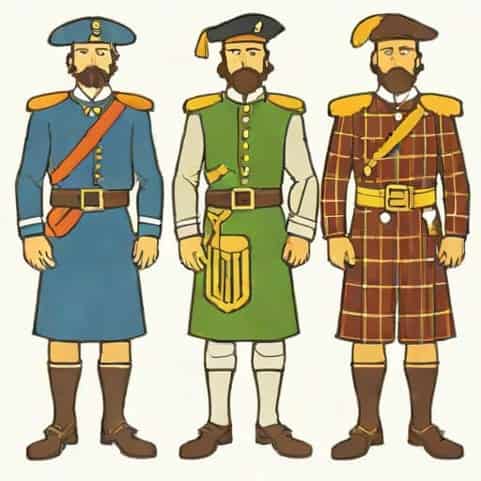
The traditional costume worn by Scotsmen is the kilt, a garment that has become one of the most recognizable symbols of Scotland around the world. More than just a piece of clothing, the kilt represents history, identity, and cultural pride. For centuries, it has been associated with the Scottish Highlands, clan traditions, and national ceremonies. While modern fashion has evolved, the kilt remains a powerful reminder of Scotland’s past and continues to play an important role in Scottish life today.
What Is the Traditional Costume Worn by Scotsmen?
The traditional costume worn by Scotsmen is the kilt, a knee-length garment made from woolen cloth, usually patterned with tartan. It is wrapped around the waist and fastened with straps and buckles. Unlike trousers, the kilt allows freedom of movement and was originally designed to suit the rugged landscape and changing weather of Scotland.
Although the kilt is most commonly associated with men, it has become a unisex symbol in modern times, worn by people of all genders in cultural settings.
The Origins of the Kilt
The history of the kilt dates back to at least the 16th century. The earliest form, known as the great kilt or belted plaid, was a long piece of cloth that could be wrapped around the body and draped over the shoulder. This design provided warmth and could also be used as a blanket.
Over time, the kilt evolved into the smaller, tailored version commonly worn today, known as the small kilt or walking kilt.
The Role of the Highlands
The kilt is closely linked to the Scottish Highlands, where it developed as practical clothing for daily life. Highlanders needed clothing that allowed them to travel easily across mountains and valleys while offering protection from the cold and rain.
This strong regional connection helped the kilt become a marker of Highland identity and later of Scottish identity as a whole.
Tartan Patterns and Clan Identity
One of the most distinctive features of the traditional costume worn by Scotsmen is the tartan pattern. Tartan consists of crisscrossed horizontal and vertical bands in multiple colors. Each pattern is associated with a specific clan, family, or region.
Why Tartan Matters
- Represents family or clan heritage
- Connects individuals to their ancestry
- Symbolizes unity and belonging
Although clan-specific tartans became formalized later, they are now an important part of Scottish tradition.
Key Parts of Traditional Scottish Dress
The kilt is the centerpiece, but traditional Scottish dress includes several additional elements that complete the outfit.
Common Accessories Worn with a Kilt
- Sporran a small pouch worn at the front
- Kilt hose long socks worn below the knee
- Ghillie brogues traditional lace-up shoes
- Sgian-dubh a small ceremonial knife
Each accessory has both practical and symbolic significance.
The Sporran and Its Purpose
The sporran serves as a pocket, since kilts do not have built-in storage. Traditionally made of leather or fur, it hangs from a chain or strap around the waist.
Different styles of sporrans are worn depending on the formality of the occasion, ranging from simple day sporrans to ornate dress sporrans.
The Kilt as Everyday Wear in History
Historically, the kilt was everyday clothing for many Highland Scots. It was suitable for work, travel, and even battle. Its design allowed wearers to move easily and stay comfortable in harsh conditions.
This practicality helped the kilt survive for generations as more than ceremonial dress.
The Ban and Revival of the Kilt
After the Jacobite uprising in the 18th century, the British government banned traditional Highland dress, including the kilt, in an attempt to suppress Scottish culture. This ban lasted for several decades.
When the ban was lifted, the kilt experienced a revival, becoming a symbol of resistance and national pride.
The Kilt in Modern Scotland
Today, the traditional costume worn by Scotsmen is most commonly seen at weddings, festivals, parades, and national celebrations. While it is no longer everyday wear for most people, it remains deeply respected.
Many Scots choose to wear kilts during important life events to honor their heritage.
Formal vs Casual Kilt Wear
Kilts can be worn in both formal and casual settings. The difference lies in the materials, accessories, and overall presentation.
Formal Kilt Occasions
- Weddings and ceremonies
- Official celebrations
- Cultural performances
Casual kilts, often made from lighter materials, are also worn at festivals and social gatherings.
Misconceptions About the Kilt
One common misconception is that kilts are costumes rather than meaningful clothing. For many Scots, the kilt represents identity, tradition, and respect for history.
Another misconception involves what is worn underneath, a topic often treated humorously but rooted in personal choice rather than strict rules.
The Kilt as a Global Symbol
Beyond Scotland, the kilt has become a global symbol of Scottish culture. It is worn by Scottish communities around the world and often featured in international events.
This global recognition has helped preserve and promote Scottish traditions.
Why the Kilt Endures
The lasting appeal of the traditional costume worn by Scotsmen lies in its adaptability and meaning. It balances tradition with modern identity, allowing people to express pride in their heritage.
Few garments have maintained such strong cultural significance over so many centuries.
The traditional costume worn by Scotsmen is the kilt, a garment rich in history, symbolism, and cultural value. From its origins in the Scottish Highlands to its role in modern celebrations, the kilt represents resilience, identity, and pride. While fashion trends come and go, the kilt continues to stand as a timeless symbol of Scotland and its people, connecting past generations with the present and future.