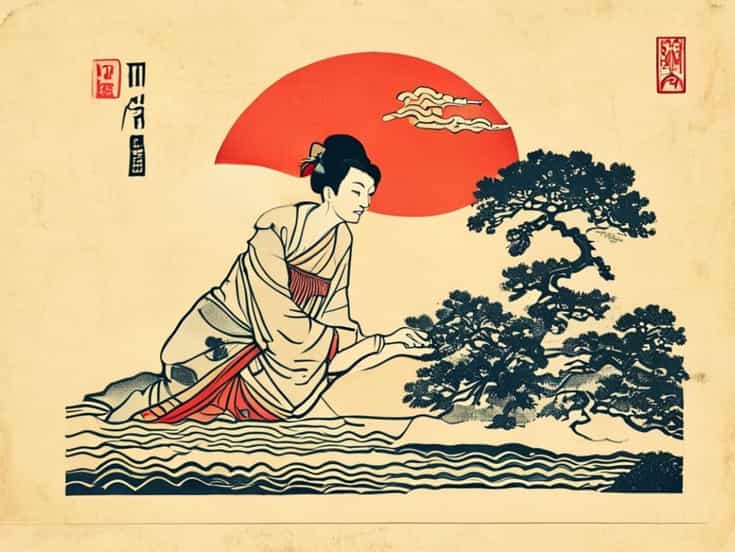
Ukiyo-e printmaking is a Japanese style of art that has fascinated people around the world for centuries. Known for its elegant lines, rich colors, and expressive subjects, ukiyo-e reflects everyday life, popular culture, and natural beauty in Japan during a specific historical period. Although these prints were originally created for common people, they later became treasured artworks that influenced global art movements. Understanding what ukiyo-e printmaking is, how it developed, and why it remains important today helps reveal the cultural depth behind this iconic Japanese art form.
What Ukiyo-e Printmaking Is
Ukiyo-e printmaking is a Japanese style of woodblock printing that flourished mainly during the Edo period, which lasted from the early 17th century to the mid-19th century. The term ukiyo-e can be translated as pictures of the floating world. This phrase refers to a lifestyle focused on pleasure, entertainment, and the fleeting nature of life.
Ukiyo-e prints were designed to capture moments from daily life, theater, landscapes, and nature. They were mass-produced, affordable, and widely enjoyed by ordinary people, making them one of the earliest forms of popular visual culture in Japan.
Historical Background of Ukiyo-e
The rise of ukiyo-e printmaking is closely tied to social changes during the Edo period. Japan experienced relative peace, economic growth, and urban expansion. Cities such as Edo (modern-day Tokyo), Osaka, and Kyoto became cultural centers.
A growing merchant class had disposable income and a strong interest in entertainment. Ukiyo-e artists responded by creating prints that reflected the interests and values of this audience.
The Meaning of the Floating World
The concept of the floating world is central to understanding ukiyo-e printmaking. It describes a mindset that embraces pleasure, beauty, and impermanence.
Rather than focusing on religious or historical themes, ukiyo-e celebrated everyday experiences. This made the art form relatable and emotionally engaging for its audience.
Common Subjects in Ukiyo-e Prints
Ukiyo-e printmaking is a Japanese style of art known for its wide range of subjects. These themes reveal much about the culture and interests of the time.
Actors and Theater
Many ukiyo-e prints feature kabuki actors in dramatic poses. These prints acted almost like promotional posters, allowing fans to collect images of their favorite performers.
Beautiful Women
Images of elegant women, often referred to as bijin-ga, were very popular. These prints showcased fashion, hairstyles, and beauty ideals of the Edo period.
Landscapes and Nature
Landscapes became especially important in later ukiyo-e works. Scenes of mountains, rivers, and travel routes highlighted the natural beauty of Japan.
Everyday Life
Some prints depicted ordinary activities such as walking, working, or enjoying festivals. These scenes offer valuable insight into daily life during the Edo era.
The Ukiyo-e Printmaking Process
Ukiyo-e printmaking involved a collaborative process rather than a single artist working alone. This teamwork contributed to the high quality and consistency of the prints.
Key Roles in Production
- The artist, who designed the image
- The carver, who carved the design into wooden blocks
- The printer, who applied ink and printed the image
- The publisher, who financed and distributed the prints
Each role required specialized skills, and the success of a print depended on smooth collaboration.
Materials and Techniques
Ukiyo-e printmaking is a Japanese style of woodblock printing that relies on natural materials. Artists typically used cherry wood blocks, water-based inks, and handmade paper.
Multiple blocks were carved for different colors, allowing for complex and vibrant designs. Careful alignment was required to ensure the colors fit together perfectly.
Color Development in Ukiyo-e
Early ukiyo-e prints were often monochrome or used limited colors. Over time, printing techniques improved, leading to the development of full-color prints known as nishiki-e.
The introduction of brighter pigments expanded artistic possibilities and made the prints even more appealing to buyers.
Famous Ukiyo-e Artists
Several artists played key roles in shaping ukiyo-e printmaking and elevating it to an art form admired worldwide.
Hokusai
Hokusai is best known for his landscape prints, especially scenes featuring Mount Fuji. His dynamic compositions and bold lines influenced artists far beyond Japan.
Hiroshige
Hiroshige specialized in poetic landscapes and travel scenes. His work often emphasized mood, atmosphere, and seasonal changes.
Utamaro
Utamaro focused on portraits of women, capturing subtle emotions and individuality. His prints are admired for their elegance and refinement.
Ukiyo-e and Japanese Society
Ukiyo-e printmaking is a Japanese style of art that reflects social values and cultural trends of its time. It offered a form of escapism while also documenting contemporary life.
Because prints were affordable, they helped spread visual culture beyond elite circles, shaping shared tastes and identities.
Influence on Western Art
In the late 19th century, ukiyo-e prints reached Europe and deeply influenced Western artists. This movement, often called Japonisme, changed how artists approached composition and color.
Painters admired the flat perspective, bold outlines, and unconventional framing found in ukiyo-e.
Ukiyo-e in the Modern World
Today, ukiyo-e printmaking continues to inspire artists, designers, and illustrators. Museums around the world display original prints, and modern creators reinterpret the style in new ways.
Although traditional woodblock printing is less common, the aesthetic principles of ukiyo-e remain influential.
Why Ukiyo-e Still Matters
Ukiyo-e printmaking is a Japanese style of art that offers a window into history, culture, and human emotion. Its focus on everyday life makes it timeless and relatable.
The prints remind viewers of the beauty found in ordinary moments and the importance of appreciating life’s fleeting nature.
Common Misunderstandings About Ukiyo-e
Some people assume ukiyo-e was created only as fine art, but it was originally intended for popular consumption. Others believe all prints were identical, when in fact quality varied based on materials and skill.
Understanding these nuances adds depth to the appreciation of ukiyo-e.
Learning from Ukiyo-e Today
Studying ukiyo-e encourages observation, simplicity, and balance in visual expression. Artists and viewers alike can learn from its thoughtful use of space and storytelling.
The collaborative nature of printmaking also highlights the value of shared creative effort.
Ukiyo-e printmaking is a Japanese style of woodblock art that captures the spirit of a unique historical moment while continuing to resonate with modern audiences. From scenes of daily life to breathtaking landscapes, these prints tell stories that transcend time and place.
By exploring its history, techniques, and cultural meaning, we gain a deeper appreciation for ukiyo-e as both an artistic tradition and a reflection of human experience. Its lasting influence proves that art rooted in everyday life can achieve universal appeal.