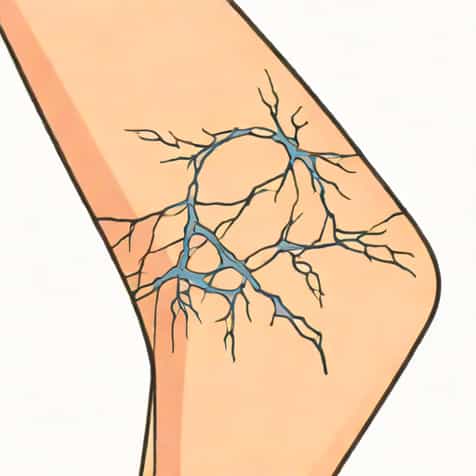
Varicose veins are a common vascular condition where veins, usually in the legs, become enlarged, twisted, and often visible under the skin. Alongside the bulging veins, many individuals notice bruising or discoloration around the affected area, which can be concerning. Varicose vein bruises occur when the thin walls of these veins are more susceptible to minor trauma or pressure, causing small amounts of blood to leak into surrounding tissue. Understanding the appearance, causes, and management of varicose vein bruising is essential for recognizing the condition, seeking appropriate treatment, and preventing complications. Images and descriptions of varicose vein bruises help patients and healthcare providers identify symptoms accurately.
Understanding Varicose Veins
Varicose veins develop when the valves within veins fail to function properly. These valves normally ensure that blood flows toward the heart, but when they weaken, blood can pool, increasing pressure within the veins. Over time, this pressure causes the veins to enlarge, become twisted, and appear bulging beneath the skin. While varicose veins are often considered a cosmetic issue, they can lead to discomfort, pain, and complications such as skin discoloration, ulcers, or bruising.
Common Symptoms
Symptoms of varicose veins can vary, but bruising around the veins is often noticeable. Other common signs include
- Visible, bulging veins that are blue or purple in color
- Aching, throbbing, or heaviness in the legs
- Swelling in the ankles or lower legs
- Skin discoloration near the affected veins
- Itching or a burning sensation around the veins
Bruising often appears as purplish or bluish patches over or near varicose veins and may result from minor bumps, pressure, or spontaneous leakage of blood from fragile vein walls.
Causes of Varicose Vein Bruising
Varicose vein bruising occurs primarily due to increased fragility of the veins and surrounding capillaries. The following factors contribute to the appearance of bruises in varicose veins
Vein Wall Weakness
In varicose veins, the vein walls are stretched and weakened, making them more prone to rupture under minor trauma. This can result in localized bruising, even without noticeable injury. Over time, repeated stress on these weakened veins can cause more pronounced discoloration and persistent bruising.
Minor Trauma or Pressure
Simple actions like bumping the leg against furniture, prolonged standing, or wearing tight clothing can cause minor damage to fragile veins. The increased pressure in varicose veins makes them more likely to bleed into surrounding tissue, leading to visible bruises. Even small impacts that would not normally cause bruising in healthy veins can result in noticeable marks in areas affected by varicosities.
Blood Pooling and Poor Circulation
Varicose veins impair proper blood flow, leading to pooling of blood in the lower extremities. This increased pressure not only contributes to the formation of the veins but also makes nearby capillaries more susceptible to leakage. Bruises in varicose vein areas may occur spontaneously due to the high pressure and delicate structure of the veins and surrounding tissue.
Identifying Varicose Vein Bruises
Varicose vein bruises can vary in appearance depending on the severity of the vein condition, skin type, and underlying health factors. They may appear as dark blue, purple, or reddish patches over the veins, often following the path of the bulging vessels. Unlike normal bruises, these may be accompanied by swelling, tenderness, or skin discoloration that persists longer than typical bruises. Images of varicose vein bruising often show
- Discoloration over or around twisted, bulging veins
- Patchy, irregularly shaped bruises rather than uniform circular marks
- Combination of bruising with redness or mild inflammation
- Slow fading over several weeks, often with residual skin darkening
Distinguishing from Other Conditions
It is important to differentiate varicose vein bruises from other causes of skin discoloration, such as hematomas, trauma-related bruises, or vascular conditions like deep vein thrombosis. Key distinguishing features include the presence of visible varicose veins, chronicity of bruising, and a tendency for bruises to occur with minimal or no trauma. Medical evaluation is recommended if bruising is accompanied by severe pain, swelling, or sudden changes in skin color.
Management and Prevention
While varicose vein bruising is often harmless, it can be uncomfortable or unsightly. Several approaches help manage and prevent bruising
Compression Therapy
Wearing compression stockings improves blood flow, reduces pressure in the veins, and decreases the likelihood of bruising. Consistent use during prolonged standing or physical activity can minimize swelling and protect fragile veins.
Topical Treatments and Skincare
Topical arnica gels or creams may reduce discoloration and support healing. Moisturizing the skin around varicose veins also helps maintain elasticity and reduce irritation. Gentle massage can improve circulation but should be done carefully to avoid damaging delicate veins.
Lifestyle Modifications
Simple lifestyle changes can reduce the risk of varicose vein bruises. Elevating the legs when resting, avoiding prolonged standing, maintaining a healthy weight, and engaging in regular physical activity help improve venous circulation. Wearing loose-fitting clothing prevents excessive pressure on the veins.
Medical Interventions
For severe or persistent bruising, medical treatments for varicose veins may be considered. Procedures such as sclerotherapy, laser therapy, or vein stripping can reduce the visibility of veins and prevent future bruising. Consulting a healthcare professional ensures appropriate treatment based on the severity of vein disease and associated symptoms.
When to Seek Medical Attention
Although varicose vein bruises are often benign, certain signs indicate a need for medical evaluation. Seek care if you experience
- Sudden, severe pain or swelling in the leg
- Rapidly expanding bruises or skin discoloration
- Signs of infection, such as warmth, redness, or pus
- Persistent ulcers or non-healing wounds
Prompt assessment can prevent complications and ensure that any underlying vascular issues are addressed appropriately.
Varicose vein bruises are a common feature of chronic vein disease, resulting from weakened vein walls, increased pressure, and minor trauma. They can appear as irregular, purplish or bluish patches over or near bulging veins, often persisting longer than typical bruises. Understanding the causes, appearance, and management of varicose vein bruising helps individuals recognize symptoms, take preventive measures, and seek medical care when necessary. With appropriate compression therapy, skincare, lifestyle modifications, and, if needed, medical interventions, the impact of varicose vein bruises on comfort and appearance can be minimized. Awareness of these symptoms empowers patients to monitor vein health effectively and maintain overall vascular well-being.