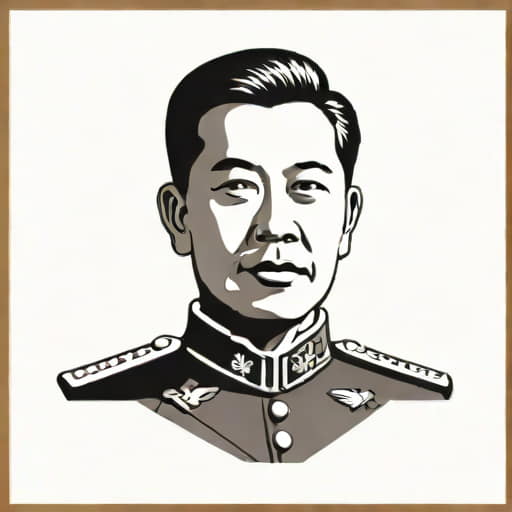
Emilio Aguinaldo is one of the most significant figures in Philippine history, widely recognized as a revolutionary leader and the first President of the Philippines. His contributions to the country span political, military, and social spheres, and they played a crucial role in shaping the nation’s struggle for independence. Aguinaldo’s leadership during the Philippine Revolution against Spanish colonial rule and his involvement in the Philippine-American War mark him as a pivotal figure whose actions have left a lasting impact on Philippine society, governance, and national identity.
Early Life and Background
Emilio Aguinaldo was born on March 22, 1869, in Cavite, Philippines. Coming from a relatively affluent family, he had access to education and opportunities that allowed him to become aware of the social injustices under Spanish rule. His early exposure to the inequities faced by Filipinos influenced his nationalist sentiments and motivated him to engage in revolutionary activities. Aguinaldo’s leadership qualities emerged early, allowing him to gain respect and authority among his peers and later among revolutionary forces.
Role in the Philippine Revolution
Aguinaldo’s most notable contributions began with his active involvement in the Philippine Revolution against Spain, which started in 1896. As a leader in Cavite, he organized revolutionary forces and successfully coordinated military strategies that led to significant victories against Spanish forces. His ability to unite different factions and inspire loyalty was crucial in the early successes of the revolution.
Leadership in the Katipunan Movement
Aguinaldo joined the Katipunan, a secret revolutionary society founded by Andres Bonifacio, which aimed to overthrow Spanish rule. In Cavite, he became a key leader of the local revolutionary chapter. His leadership skills and strategic planning helped organize attacks and defend territories against Spanish forces. Aguinaldo’s emphasis on discipline, coordination, and local engagement strengthened the revolutionary movement and inspired other provinces to join the struggle for independence.
Victory in Battles and Strategic Planning
Under Aguinaldo’s command, Filipino forces achieved several victories, including the recapture of Cavite from Spanish forces. He was instrumental in planning military campaigns, rallying troops, and maintaining morale among fighters. His contributions extended beyond battlefield strategies; he also worked to establish a sense of unity and purpose among the revolutionaries, which was vital for sustaining the movement over time.
Proclamation of Philippine Independence
One of Emilio Aguinaldo’s most historically significant contributions was the declaration of Philippine independence on June 12, 1898. This event marked the end of over 300 years of Spanish colonial rule and established the foundation for the First Philippine Republic. Aguinaldo’s leadership in organizing the declaration, raising the Philippine flag, and proclaiming the nation’s independence symbolized the aspirations of the Filipino people for freedom and self-determination.
Establishment of the First Philippine Republic
Following the declaration of independence, Aguinaldo became the first President of the Philippines and led the creation of the Malolos Constitution, which formalized the structure of the new government. His efforts in establishing a functioning government reflected his commitment to creating a sovereign nation-state. The Malolos Constitution provided a legal framework for governance, promoting democratic principles, civil liberties, and national sovereignty.
Contributions During the Philippine-American War
Aguinaldo’s role continued during the Philippine-American War, which began after the United States took control of the Philippines following the Spanish-American War. As the head of the Filipino revolutionary forces, he led resistance efforts against American occupation, highlighting his continued commitment to Philippine independence. While the war ultimately ended with his capture in 1901, Aguinaldo’s leadership during this period demonstrated his dedication to defending the nation against foreign domination.
Military Leadership and Resistance
During the conflict with American forces, Aguinaldo implemented guerrilla tactics and strategic retreats to sustain resistance. His understanding of local terrain, coupled with his organizational skills, enabled Filipino forces to continue fighting despite limited resources. Aguinaldo’s leadership inspired patriotism and resilience among Filipinos, reinforcing the importance of defending national sovereignty.
Post-War Contributions and Civic Involvement
After the Philippine-American War, Aguinaldo shifted his focus from military leadership to civic and political engagement. He continued to serve as a symbol of nationalism and provided guidance on issues concerning governance, veterans’ welfare, and social development. His later years were marked by advocacy for Filipino unity, historical preservation, and the recognition of the sacrifices made by revolutionary leaders and soldiers.
Promotion of National Identity
Aguinaldo worked to promote a sense of national identity and pride among Filipinos. He participated in commemorative events, supported historical education, and encouraged the remembrance of key revolutionary moments. By highlighting the importance of Philippine history, he helped foster a shared national consciousness and respect for the country’s struggle for independence.
Support for Civic Organizations
In his later life, Aguinaldo actively engaged with civic organizations, veterans’ associations, and political groups. He provided mentorship, advocated for veterans’ rights, and contributed to discussions on nation-building and public policy. His continued involvement demonstrated a lifelong dedication to public service and the development of the Philippines.
Legacy and Historical Significance
Emilio Aguinaldo’s contributions have left a lasting mark on Philippine history. His leadership in the revolution, proclamation of independence, establishment of the first republic, and resistance against foreign occupation highlight his role as a key figure in the country’s path toward nationhood. Aguinaldo’s legacy extends beyond military achievements to include political, social, and cultural influences that continue to shape the Philippines today.
Recognition in Philippine History
- Known as the first President of the Philippines and a national revolutionary leader.
- Credited with the declaration of Philippine independence on June 12, 1898.
- Played a pivotal role in organizing the First Philippine Republic and drafting the Malolos Constitution.
- Symbolized resistance against colonial powers and inspired future generations of leaders.
- Promoted national identity, historical awareness, and civic engagement in his later years.
Influence on Modern Governance
Aguinaldo’s efforts in establishing early governmental structures laid the foundation for the development of democratic institutions in the Philippines. His vision for a sovereign nation, rooted in self-governance and constitutional law, continues to inform discussions on leadership, governance, and national unity.
Emilio Aguinaldo’s contributions to the Philippines are extensive and multifaceted. From leading the revolutionary struggle against Spanish colonial rule to declaring independence, establishing the First Philippine Republic, resisting foreign occupation, and promoting national identity, his actions have significantly shaped the country’s history. Beyond his military and political achievements, Aguinaldo’s commitment to civic engagement and historical preservation demonstrates his dedication to the Philippines’ long-term development. Today, his legacy remains a symbol of patriotism, leadership, and the enduring quest for freedom and national sovereignty.