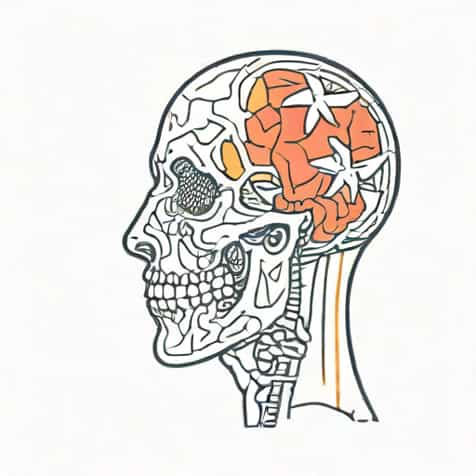
In the study of human anatomy, understanding the various structures and their functions is essential for medical students, healthcare professionals, and anyone interested in the biological sciences. One such anatomical structure that appears in multiple contexts within the body is the peduncle. Although the term might seem specialized, peduncles play critical roles in connecting, supporting, and facilitating communication between different parts of the body. From the brain to the limbs, peduncles are integral to both structural and functional anatomy. Grasping what a peduncle is and its variations across different anatomical systems can provide a clearer understanding of how the human body maintains organization and coordination.
Definition of a Peduncle
In anatomy, a peduncle is essentially a stalk-like structure that connects one part of the body to another. The term is derived from the Latin word pedunculus, which means little foot or stalk. Peduncles serve as conduits, supporting structures, or points of attachment, depending on the organ or system in which they are found. They can be composed of muscle, nerve fibers, connective tissue, or blood vessels, and their primary function is often related to providing a structural link while facilitating communication or transport of materials.
General Characteristics
- Peduncles are stalk-like or stem-like structures that provide connection between body parts.
- They can be rigid or flexible depending on their location and function.
- Composed of different tissue types, including nerve fibers, blood vessels, and connective tissue.
- Functionally, they may transport signals, nutrients, or mechanical support.
These characteristics make peduncles versatile structures that adapt to the needs of the system in which they are found.
Peduncles in the Brain
One of the most significant and frequently discussed types of peduncles is found in the brain. Brain peduncles are bundles of nerve fibers that connect the cerebrum, cerebellum, and brainstem, allowing communication between different regions of the central nervous system. There are three main groups of cerebellar peduncles superior, middle, and inferior, each with specific functions.
Types of Cerebellar Peduncles
- Superior Cerebellar PeduncleConnects the cerebellum to the midbrain and plays a crucial role in transmitting motor information from the cerebellum to the cerebral cortex.
- Middle Cerebellar PeduncleConnects the cerebellum to the pons and is involved in conveying information from the cerebral cortex to the cerebellum for coordination of voluntary movements.
- Inferior Cerebellar PeduncleConnects the cerebellum to the medulla oblongata and spinal cord, transmitting sensory information regarding body position and balance.
These peduncles are essential for motor control, balance, and coordination. Damage to any of these structures can result in serious neurological deficits, emphasizing their importance in brain function.
Peduncles in Other Anatomical Structures
Beyond the brain, peduncles appear in various other anatomical contexts. They are not limited to neural tissue and can be found in organs, plants, and other systems where a stalk-like connection is necessary.
In Muscles and Limbs
In musculoskeletal anatomy, a peduncle may refer to a stalk that connects a larger muscle mass to a tendon or bone, providing both mechanical support and a conduit for blood vessels and nerves. These peduncles ensure that muscles can transmit force efficiently while maintaining proper blood supply and innervation.
- Support structural integrity of muscle attachments.
- Allow transmission of nerves and blood vessels to muscle fibers.
- Contribute to coordinated movement and limb stability.
In Glands and Organs
In glandular structures, peduncles may serve as stalks connecting lobes or facilitating the transport of secretions. For example, the pituitary gland sits on a stalk called the infundibular peduncle, connecting it to the hypothalamus. This peduncle contains nerve fibers and blood vessels that allow hormonal communication between the hypothalamus and pituitary gland, regulating essential physiological processes such as growth, metabolism, and stress response.
- Facilitates hormonal signaling between glands and control centers.
- Supports structural attachment within the organ system.
- Allows vascular and neural connections necessary for organ function.
Peduncles in Peripheral Structures
Peduncles are also found in peripheral parts of the body, including the skin and extremities. For instance, skin tags are often described as having a pedunculated base, which is a stalk-like attachment to the skin surface. Similarly, in certain plants and fungi, peduncles function as stalks supporting reproductive or functional organs, highlighting the structural universality of peduncle-like formations.
Clinical Significance
Understanding peduncles is important in clinical practice because pedunculated structures can be involved in various medical conditions. In neurology, lesions affecting brain peduncles can cause motor or sensory deficits. In surgery, identifying pedunculated growths, whether in the skin or internal organs, is crucial for effective excision without damaging surrounding tissue. Additionally, pedunculated polyps in the gastrointestinal tract are clinically significant and require monitoring or removal to prevent complications.
- Neurological disorders may result from peduncle damage.
- Pedunculated tumors or polyps may require surgical intervention.
- Recognition of pedunculated structures aids in accurate diagnosis and treatment.
Summary of Key Functions
Across various anatomical systems, peduncles serve several key functions
- ConnectionPeduncles link different structures, ensuring functional integration.
- SupportThey provide mechanical stability to organs, muscles, or other tissues.
- CommunicationIn neural and endocrine systems, peduncles facilitate signal or hormone transmission.
- TransportPeduncles allow the movement of nutrients, blood, or other substances between connected parts.
- CoordinationEspecially in the brain, peduncles ensure smooth coordination of complex physiological activities.
A peduncle in anatomy is a versatile and essential structure that acts as a stalk, connector, and conduit in various parts of the human body. From the cerebellar peduncles of the brain, which play a crucial role in motor coordination and balance, to the infundibular peduncle connecting the hypothalamus and pituitary gland, these structures are vital for proper physiological function. Peduncles are also important in muscles, glands, and peripheral tissues, where they provide support, facilitate communication, and ensure the delivery of nutrients or signals. Clinically, understanding pedunculated structures is important for diagnosing and treating conditions that involve tumors, polyps, or neurological damage. Overall, peduncles exemplify the body’s intricate design, connecting, supporting, and enabling complex functions that are essential for life and health.