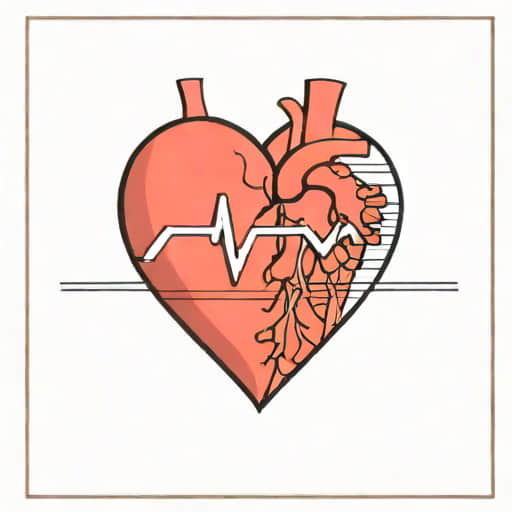
Paroxysmal supraventricular tachycardia, often abbreviated as PSVT, is a heart condition characterized by sudden, rapid heartbeats originating above the heart’s ventricles. These episodes can start and stop abruptly, often leaving individuals feeling palpitations, dizziness, shortness of breath, or chest discomfort. PSVT is a type of arrhythmia, which refers to any abnormal heart rhythm, and it is caused by irregular electrical signals in the atria or atrioventricular node. Understanding what paroxysmal supraventricular tachycardia is, including its causes, symptoms, diagnosis, and treatment options, is essential for managing the condition effectively and maintaining overall cardiovascular health.
Definition and Overview
Paroxysmal supraventricular tachycardia is a rapid heart rhythm disorder that occurs when the heart’s electrical signals misfire. Unlike other forms of tachycardia, which may be constant or persistent, PSVT episodes are intermittent and often begin suddenly without warning. The term supraventricular indicates that the abnormal electrical activity originates above the ventricles, typically in the atria or the atrioventricular (AV) node. The word paroxysmal describes the abrupt onset and termination of these episodes, which can last from a few seconds to several hours.
Types of PSVT
There are several types of paroxysmal supraventricular tachycardia, classified based on the mechanism and location of the electrical signal abnormalities
- Atrioventricular Nodal Reentrant Tachycardia (AVNRT)The most common type, caused by a reentry circuit within or around the AV node.
- Atrioventricular Reciprocating Tachycardia (AVRT)Involves an extra pathway outside the AV node that creates a loop of electrical activity, seen in conditions like Wolff-Parkinson-White syndrome.
- Atrial TachycardiaOriginates from a small area in the atria outside the AV node, generating rapid impulses.
Causes and Risk Factors
The exact cause of PSVT varies depending on the individual and the type of tachycardia, but it generally results from abnormal electrical pathways or reentry circuits in the heart. Certain factors can increase the likelihood of experiencing PSVT, including underlying heart conditions, lifestyle factors, and genetic predispositions.
Common Causes
- Extra electrical pathways in the heart, often congenital.
- Structural heart diseases such as heart failure, valve disorders, or cardiomyopathy.
- High caffeine intake, alcohol consumption, or stimulant use.
- Stress, anxiety, or sleep deprivation.
- Electrolyte imbalances, especially potassium or magnesium deficiencies.
Risk Factors
- History of previous arrhythmias or heart disease.
- Family history of PSVT or other supraventricular arrhythmias.
- Smoking or use of recreational drugs.
- Age and gender; PSVT is more common in young adults and women.
Symptoms of Paroxysmal Supraventricular Tachycardia
Symptoms of PSVT can vary in severity and duration, often starting suddenly and resolving on their own. Recognizing these symptoms is important for early diagnosis and management.
Common Symptoms
- Rapid or pounding heartbeat (palpitations).
- Dizziness or lightheadedness due to decreased blood flow.
- Shortness of breath, especially during episodes.
- Chest pain or discomfort.
- Fatigue or weakness following an episode.
- Anxiety or a feeling of impending doom during attacks.
Diagnosis of PSVT
Diagnosing paroxysmal supraventricular tachycardia involves monitoring the heart’s electrical activity and assessing symptoms. Physicians use a combination of patient history, physical examinations, and diagnostic tests to confirm the presence of PSVT and identify its type.
Diagnostic Methods
- Electrocardiogram (ECG or EKG)Records the heart’s electrical activity, often capturing PSVT if an episode occurs during monitoring.
- Holter MonitorA portable device worn for 24-48 hours to detect intermittent arrhythmias.
- Event MonitorSimilar to a Holter monitor but worn longer and activated by the patient when symptoms occur.
- Electrophysiology Study (EPS)An invasive test that maps the heart’s electrical circuits to locate abnormal pathways.
Treatment Options
Treatment for PSVT depends on the frequency and severity of episodes, underlying heart conditions, and patient symptoms. Many individuals manage the condition with simple techniques or medications, while others may require procedural interventions to prevent recurrent episodes.
Lifestyle and Home Management
- Avoiding triggers such as caffeine, alcohol, or stimulants.
- Practicing stress-reducing activities, including relaxation techniques and adequate sleep.
- Performing vagal maneuvers, such as coughing, bearing down, or the Valsalva maneuver, to help slow the heart rate during an episode.
Medications
- Antiarrhythmic drugs to prevent episodes or control heart rate.
- Beta-blockers or calcium channel blockers to manage the heart’s electrical conduction.
- Use of anticoagulants if there is an increased risk of blood clots in certain cases.
Procedural Treatments
- Catheter AblationA minimally invasive procedure where abnormal electrical pathways are destroyed using radiofrequency energy, often providing a permanent cure for PSVT.
- Electrical cardioversion in rare cases to reset the heart’s rhythm during severe or persistent episodes.
Prognosis and Long-Term Outlook
Paroxysmal supraventricular tachycardia is generally not life-threatening in otherwise healthy individuals, though it can be uncomfortable and occasionally cause fainting or dizziness. With proper management, including lifestyle changes, medications, and, if necessary, ablation procedures, most people can lead normal, active lives. Regular monitoring and follow-up with a cardiologist help ensure that PSVT is controlled and that any underlying heart conditions are addressed promptly.
Key Points for Long-Term Care
- Identifying and avoiding triggers to minimize episodes.
- Maintaining a heart-healthy lifestyle including diet and exercise.
- Adhering to prescribed medications if needed.
- Regular cardiology check-ups for monitoring heart rhythm and overall cardiac health.
Paroxysmal supraventricular tachycardia is a type of arrhythmia that involves sudden, rapid heartbeats originating above the ventricles. Though often alarming, the condition can usually be managed effectively through lifestyle modifications, medications, and advanced procedures such as catheter ablation. Understanding the causes, symptoms, and treatment options for PSVT allows individuals to recognize episodes early, seek medical care promptly, and maintain a healthy, active life. Awareness of this condition, combined with proactive management, helps ensure long-term heart health and reduces the impact of PSVT on daily life.