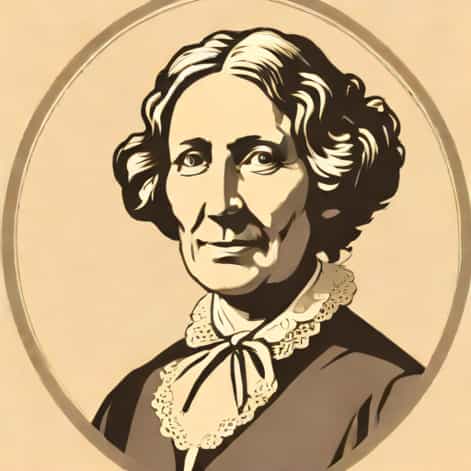
Harriet Beecher Stowe was an American author, abolitionist, and social reformer whose work left an indelible mark on the history of the United States. Born into a prominent family in Litchfield, Connecticut, in 1811, Stowe was the daughter of Lyman Beecher, a well-known minister and advocate for social reform. Growing up in a household committed to education, morality, and religious values, she developed a strong sense of justice and a passion for human rights. Stowe is best known for her novel Uncle Tom’s Cabin, a groundbreaking work that exposed the brutal realities of slavery and mobilized public opinion against it. Her life and work reflect a dedication to moral advocacy, literary achievement, and the transformative power of writing in shaping social consciousness. Understanding who Harriet Beecher Stowe was involves examining her early life, influences, literary career, and the lasting impact of her contributions to American society.
Early Life and Family Background
Harriet Beecher Stowe was born on June 14, 1811, into a family deeply engaged in intellectual and social pursuits. Her father, Lyman Beecher, was a Presbyterian minister known for his powerful sermons and commitment to social reform. Harriet’s siblings were also influential figures, including her sister Catherine Beecher, an advocate for women’s education, and Henry Ward Beecher, a prominent minister and abolitionist. Growing up in such an environment, Harriet was exposed to discussions on morality, religion, and social responsibility from an early age. She received a strong education, learning to read and write at a young age, and her experiences shaped her understanding of the human condition and the injustices present in society.
Education and Early Influences
Stowe attended the Hartford Female Seminary, run by her sister Catherine, where she studied literature, history, and moral philosophy. Her education emphasized intellectual development, moral responsibility, and social awareness, preparing her to become a thoughtful observer and critic of social issues. Early in her life, Stowe was deeply influenced by her father’s preaching and the moral and religious principles that guided the Beecher family. She also observed the social and racial inequalities of her time, which would later inspire her literary work. These early experiences fostered a commitment to justice and a belief in the power of storytelling to effect social change.
Marriage and Family Life
In 1836, Harriet Beecher married Calvin Ellis Stowe, a professor of Biblical literature and a man who shared her interests in education and social reform. The couple had seven children, and Harriet balanced her responsibilities as a mother with her literary pursuits. Calvin Stowe supported Harriet’s writing, encouraging her to explore moral and social themes in her work. Their home was a hub of intellectual discussion, where Harriet engaged with contemporary debates about religion, morality, and social justice. This environment provided both inspiration and practical support for her emerging career as a writer and social critic.
Early Writing Career
Before achieving fame with Uncle Tom’s Cabin, Stowe wrote essays, short stories, and magazine topics that explored moral, social, and religious themes. Her early work often focused on family life, education, and the role of women in society. She gained recognition as a thoughtful and compassionate writer with a talent for portraying human emotions and moral dilemmas. Her writing style combined vivid storytelling, character development, and moral reflection, making her work both engaging and persuasive. These early experiences honed her skills as a novelist and prepared her to tackle more significant social issues in her later work.
Uncle Tom’s Cabin and Its Impact
Harriet Beecher Stowe’s most famous work, Uncle Tom’s Cabin, was published in 1852 and became an instant sensation. The novel depicted the harsh realities of slavery in the United States, portraying the suffering, injustice, and moral corruption associated with the institution. Through the character of Uncle Tom and other vivid portrayals, Stowe highlighted the human cost of slavery and appealed to the moral conscience of her readers. The book’s popularity was unprecedented, selling hundreds of thousands of copies in the United States and Europe and inspiring widespread discussion about slavery and human rights.
Key Themes in Uncle Tom’s Cabin
- Slavery and InjusticeThe novel exposed the cruelty and inhumanity of slavery, emphasizing the suffering of enslaved individuals.
- Moral ResponsibilityStowe argued that society and individuals had a moral duty to oppose slavery and injustice wherever they found it.
- Christian ValuesThe narrative incorporated religious themes, emphasizing compassion, forgiveness, and moral courage.
- Empathy and HumanizationStowe humanized enslaved characters, encouraging readers to empathize with their struggles and recognize their humanity.
Social and Political Influence
Uncle Tom’s Cabin had a profound impact on public opinion and played a significant role in the abolitionist movement. The novel fueled anti-slavery sentiment in the North and increased awareness of the moral and ethical issues surrounding slavery. While Stowe’s work was met with criticism and resistance from pro-slavery advocates, it galvanized activists and inspired widespread discussion about the need for social reform. Abraham Lincoln reportedly referred to Stowe as the little lady who started this great war, acknowledging the influence of her writing on the national conversation about slavery and civil rights.
Other Works and Later Life
In addition to Uncle Tom’s Cabin, Stowe continued to write novels, essays, and non-fiction works that addressed social issues, morality, and religion. She explored themes such as women’s rights, education, and the experiences of marginalized communities. Stowe remained active in social reform efforts, participating in lectures and supporting causes that aligned with her moral vision. She spent the latter part of her life in Hartford, Connecticut, where she continued to write and advocate for social justice until her death on July 1, 1896.
Legacy of Harriet Beecher Stowe
Harriet Beecher Stowe’s legacy is defined by her contributions to literature, social reform, and the fight against slavery. She demonstrated the power of writing to influence public opinion, shape social movements, and promote moral awareness. Her work continues to be studied in literature, history, and cultural studies, offering insight into 19th-century American society and the struggles for human rights. Stowe’s life exemplifies the role of an engaged and principled writer who used her talents to challenge injustice and inspire change.
Impact on Literature and Society
- Abolitionist MovementStowe’s novel energized the movement to end slavery and brought moral urgency to the cause.
- American LiteratureShe is recognized as a pioneering female author whose works combined storytelling with social critique.
- Global InfluenceUncle Tom’s Cabin reached international audiences, influencing perceptions of slavery and human rights worldwide.
- Advocacy and ReformStowe’s writings inspired subsequent generations of activists and writers to address social injustices through literature.
Harriet Beecher Stowe was a remarkable figure whose life and work left a lasting impact on American history and literature. Born into a family devoted to education, morality, and social responsibility, she developed a keen awareness of injustice and a commitment to human rights. Through her novels, essays, and public engagement, Stowe exposed the horrors of slavery, championed social reform, and inspired moral reflection among her readers. Uncle Tom’s Cabin remains her most enduring legacy, demonstrating the power of literature to influence society and drive social change. Stowe’s life exemplifies the role of a writer as both a storyteller and a moral advocate, using her voice to challenge injustice, encourage empathy, and promote a more just and compassionate world.
Harriet Beecher Stowe’s influence extends beyond her own era, reminding us of the enduring importance of literature in shaping society, raising awareness of human rights, and inspiring collective action. Her work continues to resonate with readers, scholars, and activists, highlighting the profound impact that one committed individual can have in the pursuit of justice, equality, and moral progress.