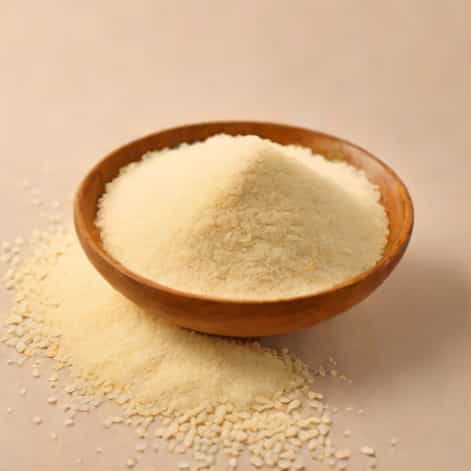
Xanthan gum is a popular food additive widely used as a thickening agent and stabilizer in many processed foods, but recent research has explored its potential health benefits beyond culinary applications. One area of interest is its anti-inflammatory properties, which could make xanthan gum an intriguing component of diets aimed at reducing chronic inflammation. Chronic inflammation is linked to numerous health issues, including heart disease, diabetes, arthritis, and digestive disorders. Understanding how xanthan gum interacts with the body, its effects on inflammation, and the best ways to incorporate it into a healthy diet provides insight into how this versatile ingredient may support overall wellness.
What is Xanthan Gum?
Xanthan gum is a polysaccharide, a type of carbohydrate produced through the fermentation of sugars by the bacterium Xanthomonas campestris. It is widely used in the food industry for its ability to thicken, stabilize, and improve the texture of various products, including sauces, salad dressings, gluten-free baked goods, and dairy alternatives. Beyond food, xanthan gum is also used in cosmetics, pharmaceuticals, and industrial applications due to its unique viscosity and binding properties.
Properties and Uses
- Acts as a thickening agent in sauces, soups, and beverages.
- Provides stability in gluten-free baking, helping mimic the texture of traditional wheat dough.
- Used in cosmetics and personal care products as a stabilizer and emulsifier.
- Applied in pharmaceuticals to improve the consistency and delivery of liquid medications.
Potential Anti-Inflammatory Effects
Research suggests that xanthan gum may contribute to reducing inflammation in the body, particularly in the digestive system. Chronic low-grade inflammation is often associated with gut health issues, such as irritable bowel syndrome (IBS) and inflammatory bowel disease (IBD). Xanthan gum, being a soluble fiber, can help improve gut microbiota composition, support digestive regularity, and potentially reduce inflammatory markers. Its prebiotic properties encourage the growth of beneficial bacteria, which in turn produce short-chain fatty acids that have been linked to anti-inflammatory effects.
Mechanisms of Action
- Acts as a soluble fiber, improving digestion and promoting healthy bowel movements.
- Supports gut microbiota balance, encouraging beneficial bacteria that produce anti-inflammatory compounds.
- May reduce oxidative stress by enhancing the production of short-chain fatty acids in the gut.
- Helps regulate blood sugar levels, which can indirectly lower systemic inflammation.
Health Benefits of Xanthan Gum Beyond Anti-Inflammatory Effects
In addition to its potential anti-inflammatory properties, xanthan gum offers several other health benefits. Its soluble fiber content can improve digestion, lower cholesterol, and support weight management by promoting feelings of fullness. It is also commonly used in gluten-free diets, allowing individuals with celiac disease or gluten intolerance to enjoy baked goods with better texture and structure. These additional benefits complement its potential role in reducing inflammation, making it a valuable ingredient for overall health.
Digestive Support
Xanthan gum’s fiber content helps regulate bowel movements and prevent constipation. By forming a gel-like substance in the gut, it slows digestion and encourages smooth passage of food, which can reduce irritation in the intestinal lining. For people with digestive inflammation, this gentle fiber can provide relief and support gut health without aggravating symptoms.
Blood Sugar Regulation
Some studies suggest that xanthan gum may help stabilize blood sugar levels by slowing the absorption of carbohydrates. This effect can prevent rapid spikes in blood glucose, which are linked to systemic inflammation and metabolic disorders. By supporting healthy blood sugar regulation, xanthan gum indirectly contributes to lowering chronic inflammation in the body.
Incorporating Xanthan Gum into Your Diet
Incorporating xanthan gum into your diet is relatively simple due to its widespread use in commercial foods and its versatility in cooking. For those who want to maximize its potential anti-inflammatory benefits, focusing on natural or minimally processed sources may be advantageous. While small amounts in recipes are generally considered safe, excessive consumption can cause digestive discomfort in some individuals, such as bloating or gas.
Tips for Use
- Use small amounts in gluten-free baking to improve texture and moisture retention.
- Add to sauces, smoothies, or soups to thicken without altering flavor.
- Start with minimal doses if using as a fiber supplement to avoid digestive discomfort.
- Check labels on processed foods to identify additional sources of xanthan gum.
Safety and Considerations
Xanthan gum is generally recognized as safe for most individuals, but like any dietary fiber, it may cause mild gastrointestinal side effects when consumed in large amounts. People with severe digestive sensitivities, such as those with certain IBS or IBD conditions, should consult a healthcare professional before increasing their intake. Additionally, those with allergies to corn, soy, or wheat may need to verify the source of xanthan gum, as it is sometimes derived from these crops.
Precautions
- Start with small amounts to assess tolerance.
- Monitor for symptoms such as bloating, gas, or diarrhea.
- Verify the source if allergic to common crops like corn or soy.
- Maintain a balanced diet with a variety of fiber sources for optimal gut health.
Xanthan gum is a versatile ingredient that has earned a place in both the culinary and health sectors. Its potential anti-inflammatory effects, particularly through supporting gut health and promoting beneficial bacteria, make it an interesting addition to diets aimed at reducing chronic inflammation. Alongside its other benefits, including digestive support, blood sugar regulation, and functionality in gluten-free cooking, xanthan gum can contribute to overall wellness. While generally safe, mindful consumption and awareness of personal tolerance are important for maximizing its benefits. By understanding its properties, mechanisms, and applications, individuals can make informed decisions about incorporating xanthan gum into a balanced, anti-inflammatory diet.