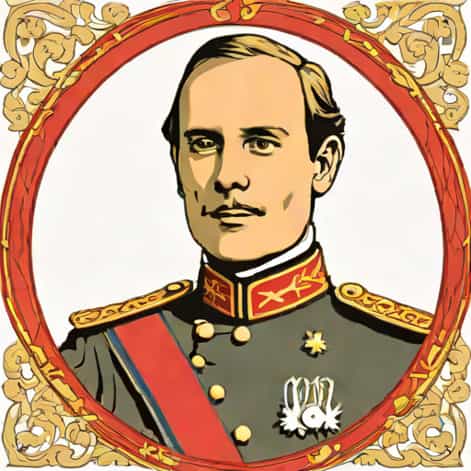
Young Prince Albert of Monaco, the only son of Prince Rainier III and Princess Grace Kelly, has captivated the world since his birth with his royal heritage and charismatic presence. Born on March 14, 1958, in Monaco, he grew up in a life of privilege and public attention, balancing the responsibilities of royalty with personal interests in sports, philanthropy, and international diplomacy. From a young age, Prince Albert showed an innate curiosity and dedication to public service, traits that would shape his future role as the head of one of the world’s most famous principalities. Exploring his early life and upbringing reveals the foundations of his enduring influence in Monaco and beyond.
Early Life and Childhood
Prince Albert’s childhood was marked by a blend of traditional royal upbringing and exposure to modern education. Growing up in the Palace of Monaco, he was introduced to the customs, history, and responsibilities of his principality from a young age. Despite the strict formalities of royal life, Albert also enjoyed activities typical of children, including sports, outdoor adventures, and learning through play. His parents, particularly Princess Grace, emphasized the importance of character, humility, and service, instilling values that have remained central to Albert’s public persona.
Education and Formation
Albert’s education was carefully curated to prepare him for his future responsibilities. He attended prestigious schools in Monaco and abroad, gaining proficiency in multiple languages and developing a strong academic foundation. He later pursued higher education in political science and international affairs, understanding the complexities of governance and diplomacy. This diverse education allowed young Albert to develop a well-rounded perspective, equipping him to navigate the challenges of leadership while representing Monaco on the global stage.
Family Influence and Mentorship
The influence of Albert’s parents played a critical role in his development. Prince Rainier III, known for modernizing Monaco and balancing tradition with progress, instilled a sense of duty and pragmatism in his son. Princess Grace contributed elegance, cultural sophistication, and a focus on philanthropy. Their combined mentorship shaped Albert into a prince who not only understood the ceremonial aspects of royalty but also valued civic responsibility, international cooperation, and humanitarian efforts.
Early Interests and Personal Development
From a young age, Prince Albert displayed a strong interest in sports and physical activities, reflecting his dynamic personality and competitive spirit. He excelled in swimming, sailing, and skiing, showcasing both athleticism and discipline. These pursuits not only contributed to his physical development but also provided opportunities to learn teamwork, perseverance, and strategic thinking, skills that would prove valuable in his later diplomatic and leadership roles.
Passion for Environmental Causes
Even as a young prince, Albert demonstrated an early awareness of environmental issues. Growing up in Monaco, a small principality with a unique coastal ecosystem, he witnessed the importance of sustainable development and conservation. This early exposure fueled his lifelong commitment to environmental advocacy, marine conservation, and promoting global awareness about climate change and ecological protection.
Exposure to Public Life
Albert’s youth was marked by frequent public appearances, royal ceremonies, and international events. These experiences taught him how to navigate media attention, public expectations, and ceremonial responsibilities. Early exposure to such a high-profile lifestyle required maturity and poise, traits that became defining characteristics of Prince Albert as he transitioned into adulthood and prepared to assume the role of Monaco’s sovereign.
Transition to Leadership
Prince Albert’s path to leadership was carefully shaped by his early experiences and education. As heir apparent, he gradually assumed greater responsibilities within the principality, learning governance, diplomatic engagement, and public administration. Young Albert’s involvement in charitable initiatives, international conferences, and state matters allowed him to develop the skills necessary to balance Monaco’s rich traditions with contemporary global challenges.
Preparation for Sovereignty
During his formative years, Albert was guided through the complexities of monarchical duties, including legislative processes, economic management, and international diplomacy. Mentored by his father and supported by advisors, he developed a pragmatic approach to leadership while maintaining a genuine connection with the people of Monaco. These formative experiences ensured that when he eventually ascended to the throne, he would do so with confidence, competence, and a strong sense of purpose.
Charitable and Humanitarian Work
Even before officially becoming Prince, Albert was deeply involved in philanthropic efforts. He supported organizations focused on health, education, and social welfare, reflecting his commitment to improving the lives of others. These early initiatives not only shaped his public image but also laid the groundwork for later projects such as the Princess Grace Foundation and the Prince Albert II Foundation, which have become pillars of his humanitarian legacy.
Public Persona and Global Influence
From a young age, Prince Albert of Monaco cultivated a public persona that blended charm, intelligence, and approachability. His appearances at international events, sporting competitions, and cultural ceremonies highlighted his diplomatic skills and ability to represent Monaco with grace. Young Albert’s global exposure also positioned him as an influential figure beyond Monaco, creating opportunities to advocate for causes such as environmental conservation, public health, and international cooperation.
Role as a Cultural Ambassador
Albert’s upbringing and education enabled him to act as a bridge between Monaco and the wider world. He embraced the role of cultural ambassador, promoting Monaco’s arts, traditions, and heritage while fostering international collaboration. This aspect of his early development emphasized the importance of diplomacy and intercultural understanding, key elements that continue to define his reign today.
Media Attention and Public Life
Even in his youth, Albert was frequently covered by international media, reflecting global fascination with the Grimaldi family. He learned to navigate public scrutiny with poise, balancing personal privacy with public duties. His ability to manage media attention and engage positively with the public became an essential skill for a modern monarch, reinforcing his image as a thoughtful and accessible leader.
Legacy and Continuing Impact
Young Prince Albert’s formative years laid the foundation for a reign marked by modernization, environmental advocacy, and humanitarian efforts. The values instilled in him during childhood-dedication, responsibility, and compassion-continue to influence his actions and decisions as Prince of Monaco. His early development demonstrates how careful preparation, diverse education, and meaningful experiences can shape a leader capable of addressing contemporary challenges while honoring historical traditions.
Influence on Monaco’s Future
Prince Albert’s youth prepared him to guide Monaco into the modern era while maintaining its cultural and historical identity. His understanding of governance, public engagement, and global diplomacy ensures that Monaco continues to thrive as a principality that values both tradition and progress. The lessons learned in his early years remain central to his approach to leadership, demonstrating the lasting impact of a well-rounded upbringing on effective governance.
Young Prince Albert of Monaco exemplifies how early life experiences, education, and mentorship can shape a future leader. From his privileged yet disciplined childhood to his formative exposure to sports, philanthropy, and international affairs, Albert’s youth prepared him to assume the responsibilities of monarchy with confidence and vision. His story reflects the intersection of personal development, public service, and cultural heritage, illustrating how the early years of a prince can set the stage for a lifetime of influence, diplomacy, and meaningful contribution to both a nation and the global community.