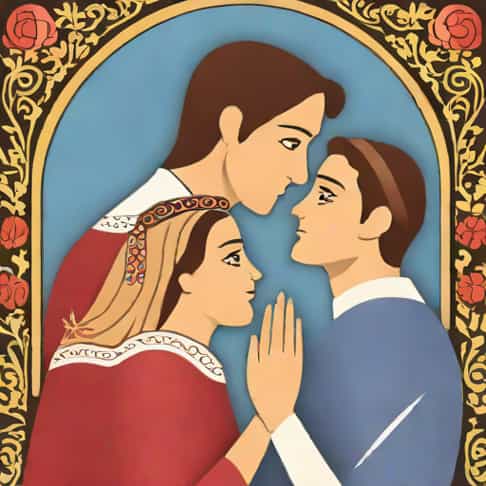
Franco Zeffirelli’s 1968 adaptation of Shakespeare’s Romeo and Juliet remains one of the most iconic cinematic interpretations of the classic tragedy. With its vibrant cinematography, faithful adaptation, and youthful casting, the film captures both the intensity of the original play and the raw emotion of young love. Many viewers today search for clips, trailers, and full scenes of this film on platforms like YouTube, highlighting its continued cultural relevance and accessibility. Understanding the significance of Zeffirelli’s work, the impact of his casting choices, and the historical context of the film helps explain why it remains a favorite among Shakespeare enthusiasts and film lovers alike.
Franco Zeffirelli The Director Behind the Classic
Franco Zeffirelli, an Italian director renowned for his theatrical and cinematic work, brought a unique sensibility to Romeo and Juliet. Known for his meticulous attention to detail, Zeffirelli sought to create a film that was both visually stunning and emotionally authentic. Unlike previous adaptations, his version emphasized the youth of the main characters, casting actors who were close in age to Shakespeare’s original vision. This choice brought a new level of realism and relatability to the story, making the emotions, impulsive decisions, and passionate conflicts of Romeo and Juliet resonate more deeply with audiences.
Innovations and Style
Zeffirelli’s approach combined classical theater with cinematic techniques. He used authentic Italian locations, historical costumes, and elaborate set designs to create an immersive experience. The director employed close-ups and dynamic camera angles to capture intimate moments of emotion, allowing the audience to feel the intensity of the lovers’ passion and the stakes of their family feud. Zeffirelli also emphasized naturalistic performances, encouraging actors to deliver lines with emotional truth rather than the stylized, theatrical tone often associated with Shakespeare adaptations.
The Casting of Romeo and Juliet
One of the most striking aspects of Zeffirelli’s adaptation was his casting choices. Leonard Whiting, who played Romeo, and Olivia Hussey, who played Juliet, were teenagers at the time of filming, which brought authenticity to their characters’ youthful impulsiveness. Their chemistry on screen was palpable, creating a believable depiction of first love. The casting decision to use actual teenagers rather than older actors helped convey the urgency, naivety, and intensity that define the story.
Supporting Cast and Performances
Beyond the leads, Zeffirelli assembled a talented supporting cast, including John McEnery as Mercutio, Michael York as Tybalt, and Milo O’Shea as Friar Lawrence. Each actor contributed to the vivid portrayal of Verona and the complex web of relationships that drive the tragedy. The performances balanced authenticity with theatricality, maintaining the poetic language of Shakespeare while ensuring that the story remained accessible to a broader audience.
Faithfulness to Shakespeare’s Text
Zeffirelli made deliberate choices to remain faithful to Shakespeare’s play while also making it accessible for a 20th-century audience. The film preserves much of the original dialogue, including the iconic balcony scene, the playful exchanges between the lovers, and the tragic climax. However, Zeffirelli also made minor adaptations to streamline the narrative, ensuring that the pacing suited cinematic storytelling. By doing so, he maintained the essence of Shakespeare’s language and themes without overwhelming viewers unfamiliar with the play.
The Use of Language and Emotion
Language in Zeffirelli’s film is both poetic and emotionally resonant. By casting young actors and encouraging naturalistic performances, the dialogue feels spontaneous and heartfelt, rather than formal or rehearsed. This approach enhances the universality of the story, allowing viewers of all ages to connect with the experiences of love, conflict, and loss. Scenes such as the first meeting between Romeo and Juliet, their secret wedding, and the tragic deaths are imbued with a raw emotional intensity that continues to captivate audiences.
Visual and Cinematic Impact
The film’s visual design contributes significantly to its enduring appeal. Zeffirelli chose authentic Italian locations in Tuscany, including castles, piazzas, and rural landscapes, creating a sense of historical accuracy and visual beauty. The costumes, designed to reflect 14th-century Verona, add to the film’s immersive quality. Lighting, camera movement, and framing are used strategically to heighten dramatic tension and underscore emotional moments.
Music and Score
The musical score, composed by Nino Rota, complements the film’s emotional tone. The music ranges from tender, romantic melodies during intimate scenes to more intense, dramatic compositions in moments of conflict. Rota’s score enhances the storytelling by reinforcing the emotional arcs of the characters and the overall atmosphere of tragedy, love, and tension.
The Film’s Legacy and Cultural Influence
Zeffirelli’s Romeo and Juliet has had a lasting impact on both cinema and theater. It set a precedent for casting age-appropriate actors in Shakespeare adaptations, influencing future directors and productions. The film’s accessibility also helped introduce Shakespeare to younger audiences who may have found the play intimidating in its original form. Over the decades, Zeffirelli’s version has been praised for its emotional depth, visual beauty, and faithful representation of the text.
YouTube and Modern Accessibility
In today’s digital era, many viewers search for clips, trailers, and full scenes from Zeffirelli’s Romeo and Juliet on YouTube. The platform allows new generations to experience this classic adaptation, appreciate the performances of Whiting and Hussey, and study the director’s cinematic techniques. YouTube also facilitates educational use, enabling teachers, students, and Shakespeare enthusiasts to analyze key scenes, dialogue, and visual storytelling methods. As a result, the film continues to have a significant presence online, extending its cultural relevance beyond traditional cinema audiences.
Educational and Analytical Uses
Educators often use Zeffirelli’s film to illustrate Shakespeare’s themes, character development, and poetic language. Scenes from the movie can be analyzed to explore literary techniques such as foreshadowing, dramatic irony, and symbolism. Students can also study cinematic techniques, including camera angles, lighting, and costume design, to understand how directors translate literary works into visual narratives. YouTube, with its accessibility, makes it easier to incorporate these materials into classroom discussions and film studies.
Criticism and Alternative Interpretations
While widely praised, Zeffirelli’s adaptation has also faced criticism. Some scholars argue that the film’s romanticized depiction of violence and the idealized portrayal of Verona may oversimplify the complexities of Shakespeare’s text. Others critique the film for condensing or omitting minor characters and subplots, which can slightly alter the story’s thematic balance. Nevertheless, the overall reception remains overwhelmingly positive, and the film is often considered a benchmark for Shakespeare adaptations in cinema.
Comparison with Other Adaptations
Compared to later adaptations, including Baz Luhrmann’s 1996 modernized version, Zeffirelli’s film is noted for its historical authenticity and classical approach. While Luhrmann uses contemporary settings, music, and costumes to appeal to modern audiences, Zeffirelli maintains a period-specific aesthetic that emphasizes the tragic inevitability and cultural context of the story. Both approaches have merit, but Zeffirelli’s remains celebrated for its faithfulness and emotional depth.
Franco Zeffirelli’s 1968 adaptation of Romeo and Juliet is a timeless film that combines faithful Shakespearean dialogue with visually stunning cinematography and authentic performances. By casting age-appropriate actors, using genuine Italian locations, and maintaining the emotional intensity of the original play, Zeffirelli created a cinematic classic that continues to resonate with audiences. The availability of scenes and analyses on platforms like YouTube ensures that this adaptation remains accessible to modern viewers, students, and Shakespeare enthusiasts, preserving its legacy as one of the most beloved interpretations of the tragic story of Romeo and Juliet.