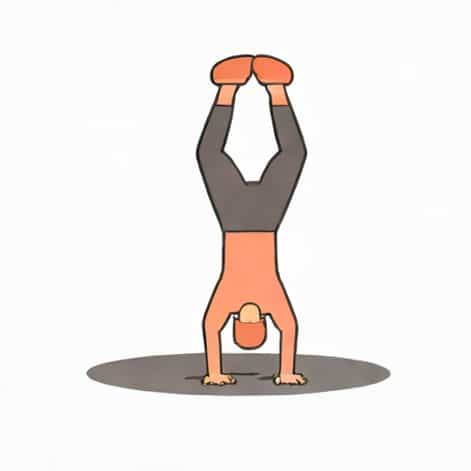
Learning how to do a handstand is an exciting fitness goal that combines strength, balance, and coordination. Many people turn to YouTube for guidance, as the platform offers a variety of tutorials, demonstrations, and step-by-step instructions from fitness experts and gymnasts. Practicing handstands requires dedication, proper technique, and gradual progression to build confidence and prevent injury. With consistent training and the right approach, anyone can develop the strength and balance needed to perform a stable handstand. Understanding the fundamentals and following a structured routine is essential for achieving success in this skill.
Understanding the Basics of a Handstand
A handstand is an inverted position where the body is supported by the hands while the feet are lifted off the ground. To perform a handstand successfully, you need strong shoulders, arms, core, and wrists, as well as good body awareness and balance. Beginners often struggle with fear and coordination, but practicing foundational exercises can help build the necessary strength and confidence. Watching YouTube tutorials can provide visual guidance and motivation, showing proper alignment and technique.
Importance of Alignment
Proper alignment is crucial for maintaining a handstand. Your hands should be shoulder-width apart, fingers spread to provide stability, and arms fully extended. The core should be engaged, hips aligned over the shoulders, and legs straight with toes pointed. Maintaining a straight line from hands to feet reduces the risk of falling and improves balance. YouTube videos often emphasize these key points, making it easier for learners to visualize the correct posture.
Strength and Conditioning Exercises
Building the necessary strength is essential before attempting a full handstand. Exercises that target the shoulders, arms, wrists, and core are particularly important. Gradual conditioning ensures that the body can support its weight upside down and reduces the risk of injury. Consistent practice of these exercises prepares beginners for the full handstand while developing endurance and control.
Key Exercises to Practice
- Plank variations Front and side planks build core stability.
- Wall walks Walking up a wall while in a plank position strengthens shoulders and arms.
- Shoulder taps While in a plank, lifting one hand to tap the opposite shoulder improves balance.
- Handstand holds against the wall Practicing against a wall helps develop strength and confidence.
- Wrist stretches and conditioning Prepares wrists for weight-bearing during handstands.
Using a Wall for Support
Beginners often use a wall to practice handstands safely. Facing the wall or having the back to the wall allows you to focus on alignment and balance without fear of falling. Gradually, as strength and confidence increase, you can start moving away from the wall for freestanding handstands. YouTube tutorials provide tips for safely transitioning from wall-supported to freestanding handstands, emphasizing proper positioning and controlled movements.
Wall Handstand Techniques
Start by placing your hands shoulder-width apart a few inches from the wall. Kick up gently until your heels touch the wall, keeping the core tight and arms straight. Focus on maintaining a straight line from your hands to your feet. Hold this position for several seconds, gradually increasing the duration as your strength and balance improve. Practicing regularly against a wall builds muscle memory and prepares you for unsupported handstands.
Balance and Control
Balance is a key component of a successful handstand. Once you are comfortable with wall-assisted handstands, you can begin practicing freestanding handstands. Engaging the core, maintaining a straight body line, and making small adjustments with your hands and fingers help maintain stability. Developing control requires patience and repeated practice, and YouTube tutorials often demonstrate common mistakes and corrections to improve balance effectively.
Tips for Improving Balance
- Focus on engaging the core muscles to maintain a stable center of gravity.
- Use your fingers to make micro-adjustments and prevent tipping over.
- Practice kicking up slowly and with control rather than using momentum.
- Record your attempts and review footage to identify alignment or balance issues.
- Gradually increase hold duration to improve stability and confidence.
Progression and Consistency
Progressing from beginner to advanced handstands requires consistent practice and gradual challenges. Start with wall-supported holds, then move to partial freestanding attempts, and finally aim for longer holds without support. Consistency is key; practicing a few minutes daily is more effective than occasional long sessions. Watching and following YouTube routines can provide structured progressions and motivation, helping learners track improvements over time.
Tracking Your Progress
Keep a practice journal or record videos of your handstand attempts. Note improvements in strength, alignment, and hold duration. Tracking progress helps identify weaknesses and measure success. Celebrating small milestones, such as holding a handstand for a few seconds longer than before, boosts confidence and encourages continued practice.
Safety Considerations
Handstands can be challenging, and safety should always be a priority. Warm up thoroughly, practice on soft surfaces like mats, and avoid overtraining. Listening to your body and avoiding strain on wrists, shoulders, or back prevents injuries. YouTube tutorials often include safety tips, proper warm-up routines, and modifications for beginners, ensuring a safe and effective learning experience.
Common Mistakes to Avoid
- Arching the back excessively, which destabilizes the handstand.
- Locking elbows improperly, leading to shoulder strain.
- Using momentum to kick up too forcefully, increasing the risk of falling.
- Neglecting wrist and shoulder warm-ups, causing discomfort or injury.
- Rushing progressions instead of gradually building strength and balance.
Learning how to do a handstand through YouTube tutorials provides a clear and visual method to develop strength, balance, and confidence. By understanding proper alignment, practicing strength exercises, using wall support, and gradually progressing to freestanding handstands, beginners can achieve success safely and effectively. Consistent practice, attention to detail, and patience are essential for mastering this skill. Incorporating visual guidance from experienced instructors on YouTube allows learners to see proper form, correct mistakes, and build the foundation necessary for a stable and controlled handstand.