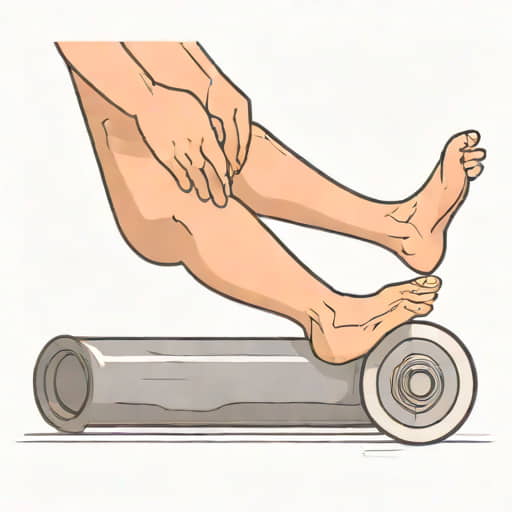
Foam rolling the peroneal or fibularis musculature is an increasingly popular technique for athletes, fitness enthusiasts, and individuals recovering from lower leg injuries. The peroneal muscles, which include the peroneus longus and peroneus brevis, run along the lateral side of the lower leg and play a critical role in ankle stability, foot eversion, and overall gait mechanics. Tension, tightness, or trigger points in these muscles can lead to ankle sprains, shin splints, or discomfort during physical activity. Using a foam roller to target the peroneal musculature can improve flexibility, reduce muscle soreness, enhance blood flow, and support injury prevention.
Understanding the Peroneal Muscles
The peroneal musculature consists primarily of the peroneus longus and peroneus brevis. These muscles originate on the fibula and insert onto various parts of the foot. They are responsible for eversion of the foot, which means turning the sole outward, and also contribute to plantarflexion and lateral ankle stability. Weakness, overuse, or tightness in these muscles can result in lateral ankle instability, making individuals more susceptible to sprains and other injuries. Foam rolling is a self-myofascial release technique that helps relax these muscles and restore proper function.
Anatomy and Function
- Peroneus LongusOriginates at the upper lateral fibula and inserts on the base of the first metatarsal and medial cuneiform. It assists in eversion and plantarflexion.
- Peroneus BrevisLies beneath the peroneus longus, originating from the lower two-thirds of the fibula and inserting on the base of the fifth metatarsal. It supports lateral ankle stability.
Understanding these muscles’ anatomy and function is essential for effective foam rolling. Targeting both the peroneus longus and brevis ensures comprehensive relief of tension and improves overall lower leg mobility.
Benefits of Foam Rolling the Peroneals
Foam rolling the peroneal muscles provides multiple benefits for both performance and recovery. These benefits include
- Improved Muscle FlexibilityRegular foam rolling helps elongate muscle fibers and reduce tightness in the lateral lower leg.
- Increased Blood FlowRolling stimulates circulation, delivering oxygen and nutrients to fatigued or injured tissues.
- Pain ReductionFoam rolling can relieve soreness from overuse or minor injuries, including shin splints or lateral ankle discomfort.
- Enhanced RecoveryBy promoting relaxation of the fascia and muscle tissue, foam rolling supports quicker recovery after intense exercise.
- Injury PreventionMaintaining healthy peroneal muscles reduces the risk of lateral ankle sprains and improves balance during dynamic movements.
Proper Technique for Foam Rolling the Peroneal Muscles
Executing foam rolling correctly is crucial for safety and effectiveness. The peroneal muscles are located along the lateral side of the lower leg, so careful positioning and controlled movements are necessary to target them accurately without causing discomfort or injury.
Step-by-Step Guide
- Start by sitting on the floor with your foam roller positioned under the outside of your lower leg.
- Cross the opposite leg over for added control or to adjust pressure.
- Use your hands to lift your hips slightly off the floor, placing weight on the leg being rolled.
- Slowly roll the lateral lower leg from just below the knee to above the ankle, pausing on tight or tender spots for 20-30 seconds.
- Perform 1-2 minutes per leg, ensuring even pressure along the peroneal muscles.
Focus on slow, controlled movements rather than rapid rolling. Foam rolling should feel intense but not painful; sharp or shooting pain may indicate improper technique or a more serious injury requiring professional evaluation.
Tips for Effective Foam Rolling
- Relax the muscles as much as possible while rolling to avoid tensing up and reducing effectiveness.
- Use a softer foam roller if you are new to rolling or have particularly sensitive muscles.
- Incorporate foam rolling into your warm-up or cooldown routine to maximize benefits for performance and recovery.
- Combine rolling with stretching exercises for the peroneal and surrounding musculature to further enhance flexibility and mobility.
Precautions and Considerations
While foam rolling is generally safe, there are precautions to consider when targeting the peroneal musculature
- Avoid rolling directly over bony areas such as the fibula or ankle bones to prevent bruising or discomfort.
- Do not apply excessive pressure, especially if you feel sharp pain or tingling, which may indicate nerve involvement.
- Individuals with acute injuries, fractures, or severe inflammation should consult a healthcare professional before foam rolling.
- Maintain proper posture and controlled movements to avoid compensatory strain on the knees, hips, or back.
Following these precautions ensures safe and effective foam rolling, reducing the risk of injury and enhancing overall results.
Integrating Foam Rolling into a Training Routine
Foam rolling the peroneal muscles can be integrated into various phases of a training routine, including warm-ups, post-workout recovery, and injury prevention sessions. Incorporating rolling into daily practice can help maintain lower leg health, improve ankle stability, and support athletic performance.
Warm-Up Use
Before physical activity, foam rolling helps activate blood flow and improve muscle elasticity. Rolling the peroneals prior to running, jumping, or lateral movements can prepare the muscles for dynamic activity and reduce the risk of strain.
Post-Workout Recovery
After exercise, foam rolling assists in removing metabolic waste, reducing muscle soreness, and promoting tissue recovery. Targeting the peroneal muscles after intense training helps prevent tightness and facilitates quicker recovery for subsequent sessions.
Long-Term Benefits
Consistent foam rolling over time improves muscle length, joint range of motion, and proprioception. Healthy peroneal musculature supports proper gait mechanics, reduces lateral ankle instability, and minimizes the risk of chronic injuries, especially in sports that require agility, running, or jumping.
Foam rolling the peroneal or fibularis musculature is an effective technique for improving flexibility, reducing soreness, and enhancing overall lower leg function. By understanding the anatomy and role of the peroneus longus and brevis, applying proper foam rolling techniques, and integrating rolling into a structured training routine, individuals can optimize recovery, prevent injuries, and improve performance. Consistent practice, combined with stretching and strengthening exercises, ensures that the peroneal muscles remain healthy, mobile, and resilient, supporting safe and efficient movement in daily activities and athletic pursuits.