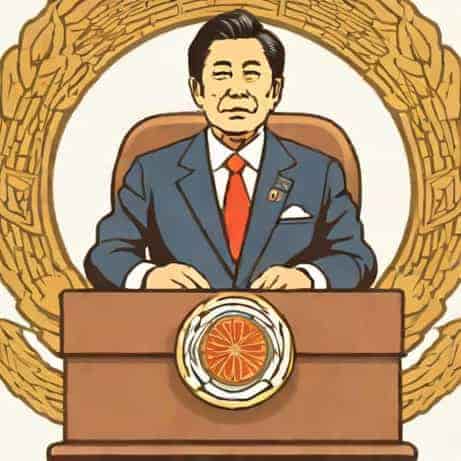
The phrase he was the militaristic prime minister of Japan most commonly refers to Hideki Tojo, a central figure in Japanese history during the early 1940s. His leadership is closely associated with Japan’s aggressive military expansion and its role in the Second World War. Understanding who he was and why he is described as militaristic requires looking at his background, political rise, governing style, and the historical context in which he ruled. His time in power left a lasting impact on Japan and the wider world.
Historical Background of Militarism in Japan
To understand the militaristic prime minister of Japan, it is important to first understand the broader environment of Japanese militarism. In the early twentieth century, Japan experienced rapid modernization and industrial growth. Alongside this development came a strong belief in military strength, national unity, and imperial expansion.
The military gained significant influence over politics, and civilian leaders often struggled to restrain army and navy leaders. This atmosphere allowed military officers to rise quickly within the political system.
Early Life and Military Career
Hideki Tojo was born in 1884 into a family with a military background. From an early age, he was immersed in the values of discipline, loyalty, and obedience that defined Japan’s armed forces.
He pursued a military education and steadily advanced through the ranks of the Imperial Japanese Army. Known for his strict personality and strong belief in order, Tojo developed a reputation as a firm and uncompromising officer.
Influence of Military Ideology
Throughout his career, Tojo embraced the idea that Japan needed to expand its influence to secure resources and protect its interests. He viewed military strength as essential to national survival.
This ideology shaped his decisions and later defined his leadership as a militaristic prime minister.
Rise to Political Power
Tojo’s political influence grew as Japan expanded its military presence in East Asia. He served in several important government positions, including Minister of War.
In this role, he supported aggressive policies in China and advocated for a strong stance against Western powers. His loyalty to the emperor and the military made him a trusted figure among hardline leaders.
Becoming Prime Minister of Japan
In 1941, Hideki Tojo was appointed Prime Minister of Japan. His appointment reflected the dominance of the military within the government at that time.
As prime minister, Tojo held multiple positions simultaneously, including Minister of War and later Minister of Education. This concentration of power reinforced his militaristic approach to governance.
Militaristic Leadership Style
Tojo’s leadership style was highly authoritarian. He believed that strict control and unity were necessary for Japan to succeed in times of conflict.
Decision-making was centralized, and dissent was discouraged. Civil liberties were limited, and the government emphasized obedience, sacrifice, and loyalty to the state.
Role of Propaganda
Under Tojo’s leadership, propaganda played a major role in shaping public opinion. Citizens were encouraged to support the war effort without question.
Education and media were used to promote nationalism and portray military expansion as a moral duty.
Japan’s Entry into World War II
One of the defining moments of Tojo’s time as militaristic prime minister of Japan was the decision to enter World War II. He supported the attack on Western powers, believing it was necessary to secure Japan’s future.
The conflict brought early military successes but eventually led to devastating consequences for Japan.
Domestic Policies During His Rule
At home, Tojo’s government focused on mobilizing society for total war. Industries were redirected toward military production, and citizens were expected to contribute to the war effort.
Rationing, labor controls, and increased surveillance became part of everyday life. These policies reflected the deep militarization of Japanese society.
Relationship with the Emperor
Although Tojo held immense power, he ruled in the name of the emperor. The emperor was seen as a sacred figure, and loyalty to him was central to Japanese identity.
Tojo presented his actions as serving imperial interests, reinforcing his authority and legitimacy.
Decline of His Leadership
As the war turned against Japan, criticism of Tojo’s leadership increased. Military defeats and economic strain weakened public confidence.
In 1944, after a series of major setbacks, Tojo resigned as prime minister. His fall marked a shift away from the most extreme militaristic leadership.
Post-War Accountability
After Japan’s defeat, Tojo was arrested and put on trial for war crimes. He was held responsible for his role in aggressive warfare and government policies.
The trial highlighted the consequences of militaristic leadership and the dangers of unchecked power.
Historical Interpretation of His Role
Historians continue to debate the extent of Tojo’s responsibility. Some view him as a symbol of Japanese militarism, while others emphasize the broader system that enabled his rise.
Nevertheless, he remains widely recognized as the militaristic prime minister of Japan during one of its most turbulent periods.
Impact on Modern Japan
The legacy of Tojo’s leadership influenced Japan’s post-war transformation. The country adopted a pacifist constitution and redefined its approach to military power.
This shift was partly a response to the destructive outcomes of militaristic governance.
Why He Is Remembered as Militaristic
The description militaristic prime minister of Japan reflects Tojo’s deep commitment to military solutions, his concentration of power, and his role in leading Japan into large-scale conflict.
His policies prioritized war over diplomacy and placed the military above civilian institutions.
He was the militaristic prime minister of Japan because his leadership embodied the dominance of the military in politics, aggressive expansionism, and authoritarian control. Hideki Tojo’s rise and rule illustrate how militarism shaped Japan during the early 1940s.
By examining his background, leadership style, and historical impact, it becomes clear why his name remains closely associated with militarism. His legacy serves as a powerful reminder of how political power and military ambition can profoundly influence a nation’s path.