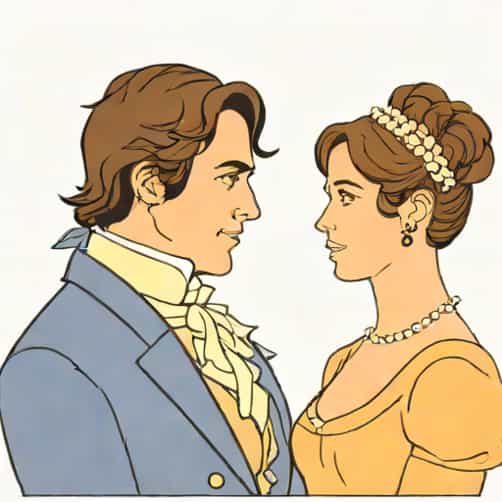
The ending of Pride and Prejudice by Jane Austen is widely regarded as one of the most satisfying conclusions in classic literature, tying together themes of love, social class, personal growth, and societal expectations. After a story filled with misunderstandings, judgments, and evolving relationships, the conclusion resolves the central conflicts of the novel while offering insight into the characters’ personal development. The finale not only emphasizes the triumph of love and mutual respect but also reflects Austen’s critique of societal norms, showing how integrity, self-awareness, and patience can overcome pride and prejudice.
Resolution of Elizabeth and Darcy’s Relationship
At the heart of the novel is the evolving relationship between Elizabeth Bennet and Mr. Fitzwilliam Darcy. Throughout the story, both characters face their own pride and prejudices, which initially prevent them from recognizing their mutual affection. By the ending, they have both undergone significant personal growth. Elizabeth comes to see Darcy’s true character, understanding his kindness, generosity, and sense of responsibility. Likewise, Darcy overcomes his pride, learning to appreciate Elizabeth’s intelligence, wit, and moral integrity. Their eventual engagement represents a union based on mutual respect and understanding rather than social expectation or financial convenience.
Darcy’s Proposal and Elizabeth’s Acceptance
The culmination of their journey is marked by Darcy’s second, successful proposal to Elizabeth. Unlike his first proposal, which was marred by arrogance and misjudgment, this proposal reflects his humility and genuine love. Elizabeth’s acceptance signifies her acknowledgment of Darcy’s true character and her own growth in overcoming initial prejudices. This moment is emblematic of the novel’s broader themes, showing that love flourishes when pride and prejudice are set aside and true understanding develops between individuals.
Marriage and Social Harmony
The ending also addresses the social and familial aspects of the story. Elizabeth and Darcy’s marriage is significant not only for their personal happiness but also because it unites two families of different social standings. This union helps to mend social tensions and brings a sense of harmony to the community. Austen’s portrayal of their marriage highlights the importance of marrying for love and compatibility, rather than merely social advancement or economic security. It emphasizes the balance between personal choice and societal expectation.
Other Character Resolutions
In addition to Elizabeth and Darcy, several other characters experience resolutions that underscore the themes of moral growth and social awareness. Key examples include
- Jane Bennet and Mr. BingleyTheir relationship, which was complicated by misunderstandings and Bingley’s initial hesitation, concludes with their marriage. This resolution reinforces the idea that patience and clear communication can overcome social obstacles.
- Lydia Bennet and Mr. WickhamThough their marriage is more controversial, it is settled by Darcy’s intervention and financial assistance. While not ideal, it demonstrates Darcy’s generosity and sense of responsibility, contributing to the overall resolution of family concerns.
- Charlotte Lucas and Mr. CollinsTheir pragmatic marriage is maintained, showing a contrast to Elizabeth and Jane’s romantic unions. This subplot highlights different approaches to social and economic pressures in marriage.
Themes Highlighted in the Ending
The conclusion of Pride and Prejudice reinforces several central themes that resonate throughout the novel. Austen’s ending emphasizes the importance of self-awareness, moral integrity, and overcoming societal and personal biases. By the finale, the characters’ journeys illustrate that true happiness stems from genuine understanding and personal growth. Key themes include
- Love and MarriageMarriage based on love and mutual respect, rather than economic necessity or social convenience, is celebrated.
- Personal GrowthCharacters like Elizabeth and Darcy achieve emotional maturity and self-reflection, showing that change is possible through experience and introspection.
- Social CommentaryAusten critiques rigid social hierarchies and the influence of class while showing that virtue and character can transcend social boundaries.
Symbolism of the Ending
The ending of the novel can also be seen as symbolic of societal transformation and the triumph of reason over prejudice. Elizabeth and Darcy’s union symbolizes the possibility of marrying for love while still respecting social norms. Meanwhile, the resolution of secondary characters reflects the balance between personal desire and societal expectation. Austen’s choice to provide a happy ending for the central characters reinforces the novel’s optimistic view that understanding, compassion, and moral discernment can guide individuals toward fulfillment.
Impact on Readers
The conclusion of Pride and Prejudice leaves a lasting impression on readers due to its emotional resonance and thematic clarity. The ending offers closure to the narrative while reaffirming the values that Austen explores throughout the novel. Readers are left with a sense of satisfaction as conflicts are resolved, love triumphs over obstacles, and moral lessons are illustrated through character development. The ending’s effectiveness lies in its ability to combine personal triumph with social commentary, making it relevant to both contemporary and modern audiences.
In summary, the ending of Pride and Prejudice brings closure to the intricate web of relationships, misunderstandings, and societal pressures explored throughout the novel. Elizabeth Bennet and Mr. Darcy’s marriage stands as a testament to the power of mutual respect, self-awareness, and overcoming personal biases. Other characters’ resolutions further underscore Austen’s exploration of love, morality, and social dynamics. By concluding the novel with harmony, growth, and romance, Jane Austen provides readers with a satisfying and enduring resolution that continues to captivate audiences centuries after its publication. The ending encapsulates the triumph of genuine affection, moral integrity, and social balance, making it one of the most celebrated conclusions in classic literature.